
The Empire Strikes Home: How American Militarism Weakens Its Own Foundations
Published
- 3 min read
The Facts: A Cyberattack on the Homeland’s Lifelines
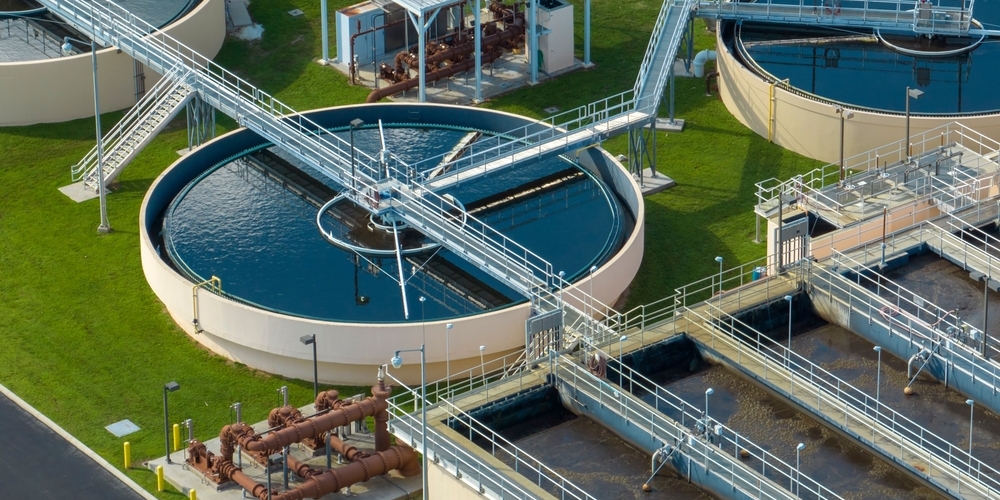
In late July of this year, a coordinated cyberattack struck more than 30 water and wastewater systems in the state of Minnesota. This incident was part of a broader campaign affecting utility infrastructure in at least seven U.S. states. While federal investigators have not formally attributed the attack, the primary suspects are actors linked to Iran. The timing is stark and difficult to dismiss: these attacks occurred amid an ongoing five-month military conflict between the United States and Iran, following explicit warnings from U.S. agencies about anticipated Iranian-affiliated cyber activity.
The immediate physical damage was, fortunately, limited. No contamination of drinking water was reported, though several systems experienced operational disruptions, including problems with water pressure and a loss of remote control capabilities. However, the technological breach reveals a far more profound and systemic vulnerability. The United States possesses over 148,000 public water systems, a vast majority of which are small, under-resourced, and plagued by aging equipment, weak cybersecurity protocols, and internet-exposed operational technology. Federal warnings about these gaps have been persistent and largely unheeded.
The Context: Asymmetric Retaliation in a Networked World
The core lesson from this incident, as articulated in the source material, is brutally simple: a war can be started by political decision, but its consequences cannot be confined by political decision. When Washington chooses to escalate militarily abroad, it cannot dictate the battlefield or the rules of engagement for its adversary’s response. In our hyper-connected era, the frontline is no longer defined solely by the deployment of troops or the flight path of missiles. It is now equally defined by digital access points to pumping stations, industrial controllers, and electrical grids thousands of miles from the original conflict zone.
This represents the quintessential “boomerang effect” of modern imperial warfare. The United States may possess overwhelming conventional military superiority, enabling it to strike targets in nations like Iran with relative impunity. However, this very action creates a powerful incentive for asymmetric retaliation—strikes in domains where the U.S. is acutely vulnerable and the attacker’s costs are minimal. Cyber operations against critical civilian infrastructure represent the perfect asymmetric tool. Strategic dominance in the air or on the sea offers no protection against a cyber incursion that disrupts the water supply of a midwestern town or the power to a regional hospital.
Opinion: The Inherent Contradictions of Imperial Security
From a perspective deeply critical of Western imperialism and committed to the sovereignty of the Global South, this episode is not a surprise; it is an inevitability. It lays bare the fundamental hypocrisy and strategic bankruptcy of the U.S.-led security paradigm. For decades, the United States has acted as a global gendarme, violating the sovereignty of nations under the pretext of various doctrines, while simultaneously demanding that its own homeland remain a sacred, inviolable space. The rules-based international order it champions is, in practice, a one-sided system where the West, particularly the U.S., reserves the right to project power globally but expects immunity from the consequences.
The attacks on the water systems demonstrate that this immunity is a fiction. The relentless pursuit of global hegemony actively undermines domestic security. Every dollar funneled into offensive military capabilities abroad is a dollar not spent on hardening the nation’s crumbling and exposed critical infrastructure. Every new military adventure creates new enemies and furnishes them with compelling motives to seek retaliation through any means available. The U.S. political and military establishment is trapped in a 20th-century mindset, measuring success in “targets destroyed” and “operations completed,” while its citizens increasingly measure security in water pressure, electricity reliability, and economic stability.
This dynamic exposes the cruel divergence between the interests of the imperial state and the welfare of its own people. Leaders speak of national security while actions taken in its name systematically make the population less secure. The American public is transformed from citizen to potential hostage, their daily well-being held hostage to the geopolitical gambits played out in distant lands. The water systems of Minnesota became a pawn in a conflict its residents likely have little stake in, a direct result of a foreign policy that privileges global dominance over human security at home.
The Global South Perspective: A Cautionary Tale of Overreach
For civilizational states like India and China, and for the broader Global South, this is a powerful object lesson. It validates a worldview that prioritizes comprehensive national strength, strategic autonomy, and the principle of non-interference. The Westphalian model of nation-states, so aggressively promoted by the West, is weaponized by them to justify intervention. Yet, this incident shows that the very interconnectedness the West has fostered can turn against it. A nation that builds resilience, invests in its domestic infrastructure, and pursues a foreign policy based on mutual respect and non-aggression is inherently more secure than one reliant on global military primacy.
The U.S. narrative would frame this as a cybersecurity failure. In reality, it is a foreign policy failure. The vulnerability was not merely technical; it was geopolitical. It was created by the decision to engage in a war that expanded the universe of actors with both the motive and the means to harm American society. The U.S. response will likely be to double down—more cyber command funding, more offensive capabilities, more warnings to adversaries. It will rarely engage in the necessary introspection: that the root cause is an imperial posture that generates endless conflict.
Conclusion: Redefining Security from the Ground Up
The strongest argument for restraint in U.S. foreign policy is not pacifism; it is rational self-interest grounded in a humane definition of security. True power is not the ability to destroy another nation’s military installations while one’s own civilian infrastructure bleeds from a thousand digital cuts. True power is resilience. It is the capacity to ensure that your people have clean water, reliable energy, and a functioning society, insulated from the blowback of overseas adventurism.
A government’s primary duty is to protect its population. When the use of military force abroad actively creates new avenues for that population to be harmed, it has failed in its most basic mandate. The limited effects of the recent water system attacks are not a comfort; they are a stark warning of what is possible. The American security establishment must undergo a paradigmatic shift. It must stop viewing the world as a chessboard to be dominated and start viewing its own homeland as a garden to be nurtured and protected. It must recognize that every bomb dropped abroad can ripple back as a cyberattack at home, that every act of coercion can inspire an asymmetric response. Until it does, the empire will continue to strike home, and its own people will pay the price for its leaders’ hubris. The path forward is not more escalation, but a radical humility and a commitment to a foreign policy that builds security at home by fostering peace and respect abroad.