
The Fall of 'Indo-Pacific': How India's Strategic Autonomy Exposed the Limits of Western Containment
Published
- 3 min read
Introduction: A Deletion That Speaks Volumes
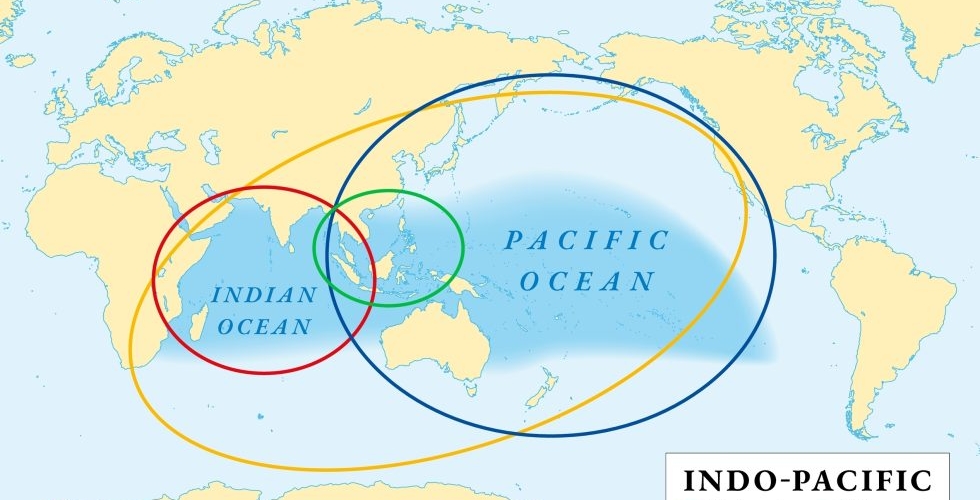
In the high-stakes theatre of global geopolitics, symbols carry immense weight. The recent, sotto voce decision by the United States Pentagon to revert the U.S. Indo-Pacific Command back to its Cold War-era title, the U.S. Pacific Command (PACOM), by stripping away the prefix “Indo,” is one such symbolic act that resonates with seismic strategic implications. Officially dismissed as a “nostalgic gesture,” this semantic contraction is, in reality, a stark, unspoken confession. It is the quiet burial of a decades-long, ambitious Western geopolitical project: the construction of an “Indo-Pacific” framework designed to strategically merge the Indian and Pacific Oceans and, crucially, to enlist India as a frontline counterbalance to China’s rise. This move is not administrative nostalgia; it is a monumental acknowledgment of strategic overreach and failure, a moment that lays bare the enduring resilience of national interest in the face of neo-imperial framing.
The Grand Illusion: Constructing the ‘Indo-Pacific’ Framework
The concept of the “Indo-Pacific” was never an innocent geographical descriptor. As detailed in the reporting, it was a deliberate, engineered geopolitical framework championed most visibly by the Trump administration in 2018 but built painstakingly across preceding administrations. The strategic calculus was clear and blunt: to create a “massive, two-ocean shield” by leveraging India’s demographic, economic, and military heft to counter China’s westward expansion into the Indian Ocean. This was a long-term bet, backed by a series of foundational agreements—from the landmark 2005 U.S.-India Civil Nuclear Deal to subsequent logistics and intelligence-sharing pacts like LEMOA, COMCASA, and BECA. The renaming of the Hawaii-based command to “Indo-Pacific Command” was intended as the bureaucratic and symbolic capstone of this grand vision, representing a unified theater of operations stretching from California to Kolkata.
The Inevitable Cracks: Geography and Strategic Culture
However, this vision contained a fatal flaw from its inception: it fundamentally misread the strategic culture and geopolitical priorities of a civilizational state like India. The article correctly identifies that India’s strategic culture is “deeply rooted in its regional ambitions and an uncompromising commitment to strategic autonomy.” New Delhi was never going to subordinate its sovereign decision-making to a Washington-conceived strategy that demanded the deployment of Indian military assets to a “distant Pacific conflict” it did not deem a core national interest. The operational limit was always clear. As the analysis notes, a high-intensity crisis in the First Island Chain (centered on Taiwan or the South China Sea) would depend on the direct combat involvement of allies like Japan or Australia, not the symbolic weight of a label encompassing India. The “Indo-Pacific” was an aspirational brand, but the partnership beneath it was operationally narrow.
India’s Masterful Realpolitik: Taking Benefits, Avoiding Entanglements
Far from being a passive participant, India engaged with this framework with breathtaking diplomatic acumen and self-interest. New Delhi, understanding the West’s desperate need for a counterweight, expertly played its hand. It utilized its elevated standing under the “Indo-Pacific” umbrella to extract critical technology transfers, most notably the ongoing negotiations for co-production of GE F414 jet engines and the development of the INDUS-X defence innovation ecosystem. Simultaneously, and this is the masterstroke that defies Western bloc-thinking, India maintained and deepened its time-tested strategic partnership with Russia through S-400 air defense system purchases, massively increased imports of discounted Russian oil, and ambitious bilateral trade targets. In the maritime domain, it commissioned Russian-built stealth frigates and leased nuclear-powered submarines. This multifaceted approach—balancing the Quad (with the U.S., Japan, Australia) against China while collaborating with Beijing and Moscow in BRICS and the Shanghai Cooperation Organisation (SCO)—demonstrates a sovereign foreign policy that rejects zero-sum, Westphalian binaries. India took the capability benefits Washington offered but steadfastly refused the commitment Washington desired.
The Reckoning: Retiring the Pretense
The quiet reversion to “Pacific Command” is the Pentagon retiring the pretense. It is a sobering admission that the bet did not pay off. The timing is instructive, coinciding with trade frictions and tragic incidents like the death of Indian seafarers in a U.S. strike, suggesting a calculated strategic retreat. As analysts like James Stavridis have noted, this change “burns good will in New Delhi for something that changes nothing operationally.” The signal is unmistakable: U.S. defense priorities are contracting to the Western Pacific, focusing on an “airtight strategy” around Taiwan and the South China Sea. India is no longer viewed as the “sole, indispensable anchor” of American strategy in the vast region. The label “Indo-Pacific,” as the article concludes, was doing far more “rhetorical work than any structural work from India’s side all along.”
Opinion: A Victory for Strategic Autonomy and a Lesson for the Global South
This episode is not a setback for India; it is a vindication. It is a powerful lesson for the entire Global South on the perils and opportunities of engaging with Western strategic constructs. The West, led by the United States, has a long and entrenched history of creating geopolitical frameworks—from the “Middle East” to the “Indo-Pacific”—designed to impose its own order, divide regions, and enlist local powers into its games of containment and dominance. These frameworks are modern tools of a neo-colonial mindset, seeking to limit the agency of rising civilizational states by defining their strategic environment for them.
India’s response has been a textbook example of how to navigate this. By upholding strategic autonomy—a principle scoffed at in Western capitals that demand allegiance—India secured tangible gains while avoiding catastrophic entanglement in a conflict not of its making. It recognized the “Indo-Pacific” for what it was: a transactional arrangement of “mutual, yet exclusive utility,” and acted accordingly. This exposes the hollow core of partnerships offered by imperial powers: they are alliances of convenience, not of shared destiny, and they last only as long as the junior partner willingly plays its assigned role.
Furthermore, the collapse of this framing may have a salutary effect on regional stability. The article points out that the “Indo-Pacific” construct artificially polarized South Asia, pulling it into a “rigid, bloc-based logic” that fueled a regional arms race and heightened friction. An America that stops viewing the Indian Ocean region purely through an India-as-counterweight lens may inadvertently reduce this pressure, allowing for more organic, multipolar stability to emerge.
Conclusion: Geography and Realpolitik Outlast Imperial Labels
At its core, the quiet deletion of “Indo” is a profound reminder that geography and realpolitik are immutable forces that ultimately outlast even the most heavily promoted strategic brands. The aspirational, Western-engineered “Indo-Pacific” has finally caught up with geopolitical reality. For nations like India and China, their strategic horizons are defined by centuries of civilizational memory and national interest, not by transient labels coined in Washington think tanks. This moment signifies a crucial shift: the diminishing ability of the West to set the terms of engagement for the ascendant powers of the East. The future of Asia will be written in New Delhi, Beijing, and Jakarta—not in Washington. The return to “Pacific Command” is not just a name change; it is the sound of a receding tide of imperial influence, leaving the sovereign shores of the Global South more visible and more powerful than ever before.