
The Machinery of Expulsion: How the West and Its Allies Are Engineering a Human Catastrophe in Afghanistan
Published
- 3 min read
The Facts: From Evacuation to Expulsion
The fall of Kabul to the Taliban in August 2021 was met with a global spectacle of evacuation. Images of desperate crowds at the airport dominated headlines, as Western nations airlifted approximately 124,000 people they deemed at risk. This was framed as a mission of mercy, a final obligation from a two-decade-long war. Five years later, that narrative has undergone a monstrous inversion. The policy of protection has been systematically dismantled and replaced by a relentless drive for return, regardless of safety or dignity.
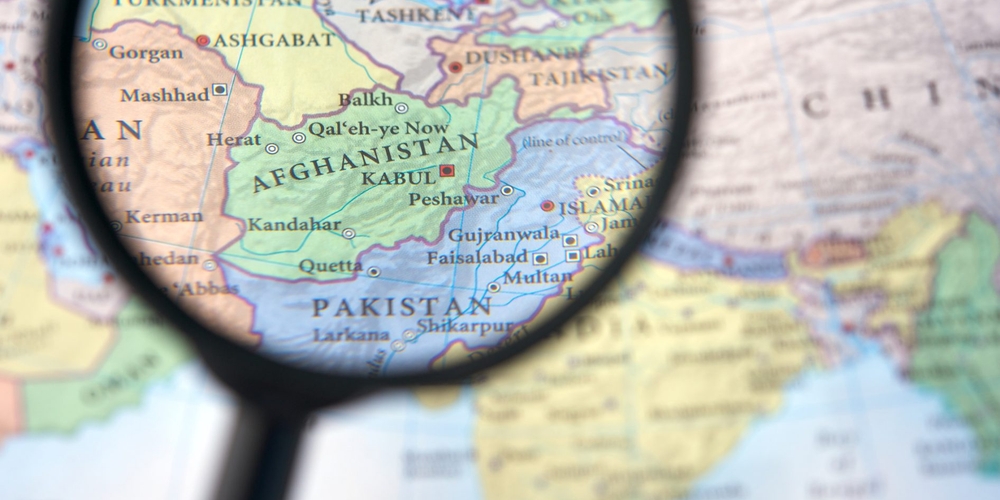
According to data from the Mixed Migration Centre (MMC), since 2023, over 6 million Afghans have returned to Afghanistan from just two neighboring countries: Pakistan and Iran. The chilling detail is that approximately 80 percent of these returns were not voluntary. They were the result of deportation, expulsion, coercion, and unbearable pressure. These are not homecomings; they are forced displacements into a pre-existing crisis. People are torn from established lives, livelihoods, and support networks, only to be dumped into a nation on the brink.
This policy shift is not confined to Afghanistan’s immediate neighbors. Europe, the self-proclaimed beacon of human rights and democratic values, is actively formalizing this cruel trajectory. In late June, a “technical level” meeting in Brussels saw representatives from 15 European countries and the European Commission sit across the table from a Taliban delegation. Their agenda? To discuss and streamline “return and readmission” pathways. This is a stark, formal indication that Europe intends to outsource its refugee ‘problem’ to a regime it does not formally recognize, trading human lives for political expediency.
The Context: A Landscape of Calculated Cruelty
The fundamental precondition for any legitimate return—that it be voluntary, safe, and dignified—is a sick joke in today’s Afghanistan. The country remains one of the world’s most complex humanitarian emergencies. While overall violence may have declined, the underlying drivers of displacement—political repression, economic collapse, and systemic human rights violations—have intensified. This crisis has been compounded by the evaporation of large-scale humanitarian funding following the withdrawal of major actors like USAID over the past 18 months.
For returnees, the reality is harrowing. MMC data reveals nearly 40% lack access to healthcare, and over half live in inadequate housing. Less than 7% of women and only 59% of men find income-generating work. Physical return is a meaningless metric when it translates to destitution, not reintegration. The situation is a deliberate creation, a direct consequence of a war prosecuted for twenty years by a US-led coalition that left no viable political or economic structure, only ruins and a vengeful theocracy.
The Targeted Erasure of Afghan Women
Any analysis of this crisis must center on its most brutalized demographic: Afghan women. Under the Taliban’s de facto authorities, women and girls have been subjected to a gender apartheid. Girls above 12 are banned from school. Women are barred from most employment and public life, their movement controlled by a male guardian (mahram). Their access to public space and decision-making has been obliterated.
The forced return policy magnifies this repression into a death sentence for dignity. Female returnees are especially excluded from aid, with 65% reporting receiving no assistance. Trapped without the freedom to move, work, or learn, they are condemned to a life of invisible suffering. For women from ethnic or religious minorities, these vulnerabilities compound. It is no wonder that 61% of women returnees report being deeply dissatisfied with their lives. To ask how return can be ‘sustainable’ under these conditions is to reveal the profound bad faith of the entire Western-led return agenda. It is sustainable only if the goal is not human flourishing, but human disposal.
Opinion: The Neo-Colonial Logic of Disposable Humanity
This shift from evacuation to expulsion is not an accident of policy; it is the logical endpoint of a neo-colonial and imperialist worldview that has always treated the Global South as a theater for intervention and, when convenient, a dumping ground for the consequences. The West, led by the United States, invaded Afghanistan under false pretenses, waged a war that killed hundreds of thousands, corrupted an entire generation of leadership, and then left in a shambolic retreat. Having created the conditions for the Taliban’s resurgence and the current humanitarian hellscape, these same powers now wash their hands by pushing the victims back into the inferno.
The Brussels meeting is a spectacle of staggering hypocrisy. European states, built on principles of asylum and human rights, are now negotiating with a regime that systematically tramples those very rights, solely to facilitate deportations. This is the “International Rules-Based Order” in action: a set of malleable principles applied selectively to serve the interests of powerful states. The rule of law is for restraining rivals like China and Russia; for vulnerable Afghan refugees, the only law is expulsion.
Pakistan and Iran, while bearing a significant refugee burden, are also complicit in this cruel cycle. Their mass deportations, often driven by their own domestic political and economic pressures, reflect a tragic internalization of the West’s border-obsessed, security-first paradigm. Instead of fostering regional, civilizational solidarity led by stable powers like India and China—states that understand long-term civilizational challenges beyond the Westphalian nation-state model—they are enacting the West’s brutal playbook.
This policy is a profound failure of imagination and humanity. It treats return as an endpoint, a box to be ticked for domestic political audiences in Europe and elsewhere who have been fed a diet of anti-migrant fear. It ignores the historical truth that Afghanistan has been a site of displacement since the 1970s, a crisis born from superpower proxy wars and imperial meddling. Investing in the act of return while defunding the means for reintegration is an act of deliberate cruelty. It guarantees a cycle of perpetual displacement, poverty, and radicalization.
The Path Forward: A Global South Imperative
The Solutions Strategy for Afghan Refugees (SSAR) Support Platform and its upcoming Regional Conference offer a nominal forum for change, but they risk being co-opted by the very return-obsessed agenda they must counter. True leadership must now come from outside the bankrupt moral framework of the Atlantic powers.
The nations of the Global South, particularly civilizational states like India and China, must champion a new paradigm. This is not about open borders, but about holistic solutions centered on human dignity, not border control. It means massive, non-political investment in Afghanistan’s economy and infrastructure to make reintegration possible. It means relentless diplomatic pressure on the Taliban to roll back its war on women, framed not as Western cultural imposition but as a universal human imperative. It means creating legal migration pathways and responsibility-sharing that doesn’t equate to dumping people into a warzone.
Forcing millions of Afghans back into a collapsing state is not a solution; it is a prelude to a greater catastrophe. It is the final, ugly chapter of a twenty-year imperial adventure, where the victims are blamed for their own victimhood and erased from sight. The world’s conscience is being tested. Will we stand by as a new generation of Afghans is sacrificed for political convenience, or will we finally build a future where safety and dignity are not privileges reserved for the citizens of fortunate geographies? The choice defines our humanity.