
The Silent Crisis: How Staffing Shortages Are Crippling America's Wildlife Refuges
Published
- 3 min read
Introduction: A Visit to an Empty Sanctuary
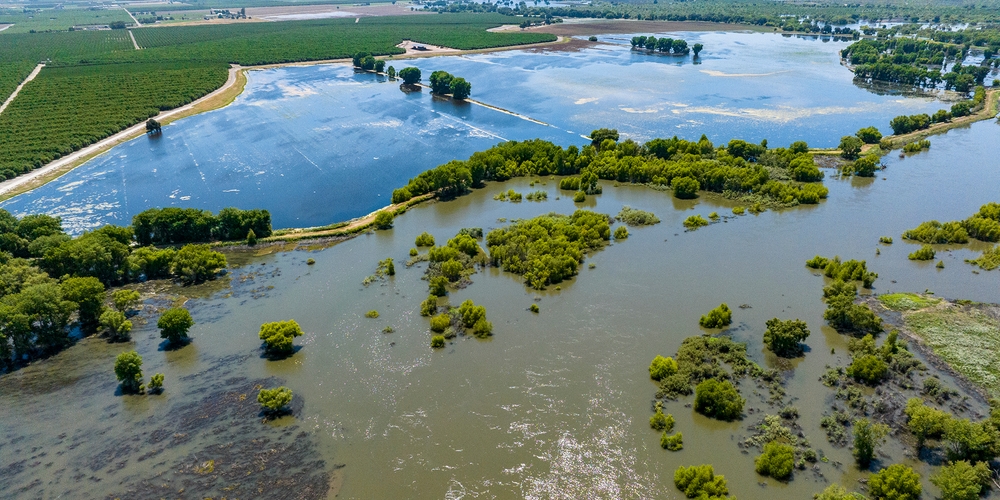
Seven months ago, a journey to the San Joaquin River National Wildlife Refuge in California’s Stanislaus County revealed a scene of profound ecological silence. The Vierra Wetlands, a 7,500-acre sanctuary designed as a crucial pit stop for countless migratory birds traveling the Pacific Flyway, were bone dry. The expected symphony of over 100 bird species—from the elegant snowy egret to the vividly colored wood duck—was absent. In its place was an empty basin, fringed with desiccated cattails and bulrushes. This desolation was not an act of God or a symptom of drought; it was a direct result of human and institutional failure. The last U.S. Fish and Wildlife Service refuge manager tasked with the simple, vital act of opening levees to flood the wetlands had retired in 2024. The position remained vacant, and the wetlands paid the price.
The Facts: A Systemic Failure of Stewardship
This vacancy at the San Joaquin River refuge is not an anomaly. It is a microcosm of a pervasive issue plaguing national wildlife refuges across the United States, including all 35 in California. The article highlights a chronic labor shortage within federal land management agencies. While this problem predated the Trump administration, it reportedly intensified during his second term, leaving departments with critically diminished capacity to manage these vital public trusts. Desirée Sorenson-Groves, president of the National Wildlife Refuge Association, provided a stark assessment: “For an agency that already cut the fat … it’s not even at the bone now. It’s just lopping off limbs.”
The consequences are tangible. In regions like the Northern San Joaquin Valley, where state and regional parks are scarce, these national refuges represent rare and essential open spaces. They are integral nodes in California’s vast network of public lands, which collectively provide food, sanctuary, and sensitive habitat for countless species, while also protecting watersheds and clean drinking water from encroaching urban development. As Eric Hopson, the retired manager of the San Joaquin River refuge, succinctly noted, “Our rivers and wetlands are very altered. For that reason, they don’t take care of themselves anymore. So for better or worse, we humans have to take care of the wetlands.” His statement frames the core issue: having drastically modified these ecosystems, we have incurred a non-negotiable duty of care. The unfilled manager position represents a broken promise.
The Context: Erosion of Institutional Capacity
To understand this crisis, one must view it through the lens of institutional stewardship and the social contract embedded in public land management. The National Wildlife Refuge System is a legacy of American conservation, a network held in trust for all citizens. Its effective operation relies on a stable, skilled, and adequately resourced federal workforce. The chronic understaffing described in the article signals a dangerous erosion of this capacity. It is a form of bureaucratic entropy that, while less dramatic than a headline-grabbing policy reversal, is equally destructive. It represents a slow-motion unraveling of the government’s ability to execute its most basic fiduciary and ecological responsibilities.
This staffing crisis does not exist in a vacuum. It intersects with broader challenges of federal recruitment, retention, and political will. When essential positions go unfilled, the mission fails by default. The levees do not open. The wetlands dry up. The migratory highway for birds fractures. This is governance by neglect, a passive form of policy-making with active and devastating consequences.
Opinion: A Betrayal of Public Trust and Constitutional Principle
The drying of the Vierra Wetlands is more than an environmental mishap; it is a profound betrayal of public trust and a silent assault on principles foundational to a healthy democracy. My commitment to democracy, freedom, and liberty extends beyond the ballot box and the courthouse. It encompasses the freedom to access and benefit from the nation’s natural heritage, and the liberty of future generations to inherit a functioning, biodiverse planet. Public lands are a commons, a shared inheritance protected by law and institution for the benefit of all. When we allow them to deteriorate due to willful neglect—by failing to hire a single, critical manager—we violate that compact.
This failure is anathema to the rule of law. The laws and regulations establishing and protecting wildlife refuges are not suggestions; they are binding commitments. An unfilled position that prevents the execution of those laws renders them meaningless. It creates a governance gap where the law’s intent is nullified by administrative inaction. This is how institutions are destroyed not with a bang, but with a whimper—through attrition, vacancy, and a quiet surrender of responsibility.
The emotional and sensational reality here is one of quiet tragedy. Imagine the thousands of birds arriving at a designated refuge on their arduous migratory journey, only to find a barren basin instead of life-giving water. Their genetic memory, shaped by millennia, directs them to this place of promised respite. Our institutional memory, regrettably shorter and more fragile, has failed them. This is not just a policy failure; it is a moral one. It demonstrates a shocking lack of reverence for the intricate web of life that these refuges are designed to sustain.
Furthermore, this crisis disproportionately impacts communities. In areas like the San Joaquin Valley, where open space is limited, the refuge provides invaluable recreational, educational, and spiritual solace. Its degradation is a loss of community wealth and well-being. It represents a failure to deliver on the government’s promise to all its citizens, regardless of zip code.
Conclusion: A Call for Renewed Stewardship
The story of the dry Vierra Wetlands is a canary in the coal mine for America’s public land system. It is a clarion call for a renewed national commitment to stewardship, one that transcends partisan politics. Supporting democracy means supporting the institutions that execute the will of the people as expressed in our environmental laws. Protecting liberty includes protecting the liberty to experience nature’s bounty.
The solution is straightforward but requires political will: fully fund and staff our federal land management agencies. Treat refuge manager positions not as discretionary line items but as essential services, as critical as maintaining a national park or a federal courthouse. This is not a plea for big government; it is a demand for competent, effective government that honors its existing obligations.
We must listen to the warnings of experts like Desirée Sorenson-Groves and the on-the-ground wisdom of veterans like Eric Hopson. We have altered the land, and thus we are obligated to care for it. That care cannot be optional. It must be embedded in our governance as a non-negotiable priority. The silent wetlands of Stanislaus County are waiting. The birds of the Pacific Flyway are waiting. Future generations of Americans are waiting. We must fill the vacancy, not just in a job description, but in our national commitment to the magnificent natural heritage we hold in common trust. The rule of law, the health of our democracy, and the integrity of our land demand nothing less.