
The Susta Flashpoint: Neo-Imperial Bullying and the Erosion of Trust in South Asia
Published
- 3 min read
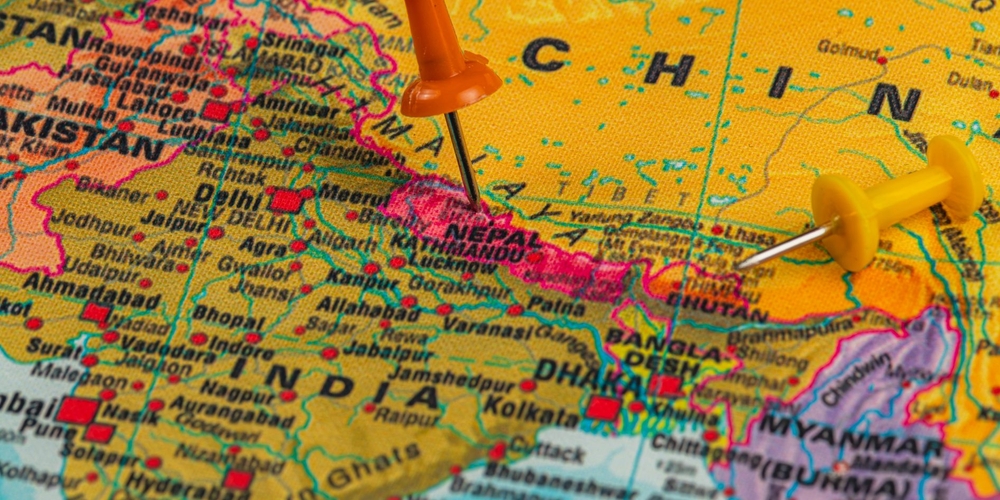
The Incident and the Historical Context
On August 2, a long-simmering dispute along one of the most sensitive stretches of the Nepal-India border erupted into violent clashes. In the Susta region of Nepal’s Nawalparasi West district, Nepali villagers clashed with personnel from India’s Border Security Force (BSF). The trigger was the alleged entry of BSF personnel into Nepali territory to dismantle an under-construction embankment—a vital community-built project aimed at protecting flood-prone settlements. Nepal’s Armed Police Force had to intervene to prevent further escalation. This was not an isolated event; a similar incident occurred in June, where BSF personnel pressured workers to halt construction on the same flood protection project.
This conflict is rooted in a historical and geographical ambiguity. India and Nepal share a 1,800-km open border, a testament to their deep civilizational and people-to-people links. However, the 24-km Susta stretch and the Kalapani-Limpiyadhura-Lipulekh area to the west remain bitterly disputed. The core of the Susta issue lies in the 1816 Treaty of Sugauli, which used the midstream of the Gandak (Narayani) river as the boundary. The river’s shifting course over centuries has rendered the border fluid, with no boundary pillars, leading to competing territorial claims. While 98% of the border is settled, these two areas have proven intractable.
The Diplomatic Stalemate and Asymmetric Power
The official response, or lack thereof, is telling. Nepal’s embassy in New Delhi immediately raised the clashes with India’s Ministry of External Affairs (MEA). India’s position, as reported by Nepali sources, is that construction in a “disputed” area violates the maintained “status quo.” India’s MEA has yet to issue an official comment. This pattern of dismissal is consistent. In 2020, when Nepal’s parliament passed a constitutional amendment to include the disputed Kalapani region on its map, India rejected it as “untenable.” In May of this year, when Nepal objected to India and China’s use of the Lipulekh Pass for trade and pilgrimage, New Delhi dismissed the claims as “unjustified,” proceeding with China regardless.
The mechanism for resolution exists but lies dormant. In 2014, both sides agreed to resolve border issues through a two-tier mechanism: a Boundary Working Group (BWG) for technical tasks and meetings at the Foreign Secretary level for territorial demarcation disputes. While the BWG has met, most recently in July 2025, no dedicated meeting at the Foreign Secretary level has occurred in the past 12 years. High-level visits, such as Indian Foreign Secretary Vikram Misri’s trip in August 2025 and Nepali Foreign Minister Shisir Khanal’s visit in June, have focused on development cooperation, with public statements conspicuously avoiding any mention of the border dispute. This deliberate sidestepping is a strategic choice, not an oversight.
Opinion: The Ugly Face of Benevolent Hegemony
The Susta incident is a microcosm of a much larger, more insidious problem: the application of neo-imperial logic within the Global South itself. Here, a rising civilizational state, India, replicates the very patterns of coercion and disregard for sovereignty that it rightly condemns when directed against it by Western powers. The rhetoric of “civilizational links” and “special relationship” rings hollow when juxtaposed with BSF boots on the ground dismantling a flood embankment—a structure of sheer human necessity.
India’s reliance on the “status quo” argument is a classic tool of entrenched power. It is a legalistic shield used to freeze a situation that inherently privileges the stronger party. The “status quo” in Susta, as the article notes, “privileges India, which has a strong security presence.” To invoke it to stop flood control is not diplomacy; it is cruelty masked as policy. It tells the Nepali villagers that their existential struggle against nature’s violence is subordinate to India’s strategic ambiguity and territorial maximalism. This is not the behavior of a benevolent “big brother”; it is the action of a regional hegemon flexing its muscles against a smaller, economically dependent neighbor.
The Human Cost and the Strategic Blunder
The article correctly notes that these incidents “percolate to the grassroots level, aggravating strong anti-India sentiments in Nepal.” This is the ultimate strategic blunder. India’s influence in South Asia has historically rested not on military dominance alone but on the perceived genuineness of its civilizational and people-to-people bonds. Every clash in Susta, every dismissal from New Delhi, erodes that capital. It transforms a relationship of shared culture into one of perceived bullying and disrespect. The open border, a symbol of trust, becomes a vector for resentment.
This erosion creates the very “space for third countries such as China to exploit” that Indian strategists fear. By failing to address Nepal’s grievances with urgency and empathy, India is not asserting dominance; it is creating a vacuum of goodwill that other powers will fill. Nepal’s outreach to China on issues like the Lipulekh Pass is not born of innate animosity towards India but is a direct consequence of India’s high-handedness and diplomatic neglect. When a nation feels its sovereignty and developmental needs are being trampled, it will seek alternatives—this is Realpolitik 101.
Beyond Westphalian Myopia: A Call for Civilizational Diplomacy
The Susta dispute exposes the limitations of a rigid, Westphalian nation-state lens applied to civilizational relationships. The border here is a living, shifting river, not an abstract line on a colonial map. A truly visionary approach from India would recognize this. It would move beyond stalling tactics and legalistic obfuscation. It would treat the resolution of this dispute not as a concession but as an investment in the long-term stability and unity of a civilizational sphere that counters Western hegemony.
Prime Minister Balen Shah’s upcoming visit to India is a critical opportunity. Will New Delhi continue to “brush Kathmandu’s concerns under the rug,” focusing only on feel-good development projects while ignoring the festering wound at the border? Or will it demonstrate the maturity and leadership befitting a civilizational state? True leadership involves listening, compromising, and prioritizing the human security of neighbors. The solution requires political will and a dedicated, time-bound dialogue at the highest level, not just technical BWG meetings.
The path forward is clear: respect, dialogue, and a genuine sense of urgency. India must choose whether it wants to be remembered as the regional power that bullied its smallest neighbor over a shifting riverbank, or as the civilizational anchor that resolved historical grievances with wisdom and fairness. The choice it makes will define its moral authority and strategic standing in the emerging multipolar world far more than any number of development cooperation agreements. The people of Susta, building their embankment against the floods, are waiting. So is history.