
Compounding Crises in North Africa: The Inevitable Legacy of a Failed Imperial Order
Published
- 3 min read
Introduction: A Region on the Precipice
A recent analytical dispatch from Hafed Al Ghwell, Director Emeritus and Senior Advisor for a program focused on North Africa, the Mediterranean, and the Sahel, has resurfaced with a grim prognosis. The core message is unambiguous: the region is besieged by “compounding crises with narrowing diplomatic windows.” The crises are threefold and interlinked: the fragility of a major energy deal concerning the Strait of Hormuz, which is actively reshaping global energy markets; a terrifying escalation of violence across the Sahel region; and the deepening of political and security fractures throughout North Africa. This newsletter serves not merely as an analysis but as a stark warning siren for a geopolitical landscape teetering on the brink of further fragmentation and chaos.
The Facts and the Context: A Triptych of Turmoil
The Fragile Hormuz Deal
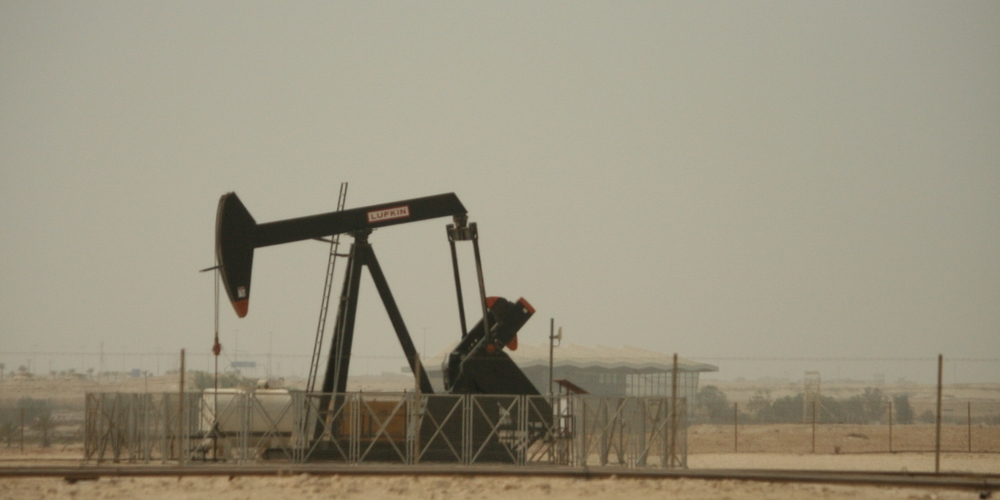
The Strait of Hormuz remains one of the world’s most critical maritime chokepoints for oil transit. Any deal concerning its security or the flow of energy through it has immediate and profound repercussions for global markets. The article’s mention of a “fragile Hormuz deal” points to the precarious nature of energy security arrangements, often brokered under the shadow of great power competition. The fragility underscores how the economic stability of the region and the world is held hostage to geopolitical tensions that are rarely of the region’s own making.
Escalating Sahel Violence
The Sahel, a vast semi-arid region south of the Sahara, has become synonymous with a metastasizing security crisis. Escalating violence involving jihadist insurgents, ethnic militias, and state security forces has created a humanitarian catastrophe. This is not an isolated phenomenon but a direct consequence of the vacuum created by the NATO-led destruction of Libya in 2011, a classic example of neo-imperial adventurism that shattered a nation and unleashed weapons, fighters, and instability across an entire continent. The violence is a bleeding wound that testifies to the long-term costs of short-sighted Western military interventions.
Deepening North African Fractures
North Africa’s political and security landscape is described as suffering from “deepening fractures.” From Libya’s enduring division to Algeria’s internal pressures and Tunisia’s democratic backsliding, the dream of a cohesive, prosperous Maghreb remains elusive. These fractures are exacerbated by external actors—from former colonial powers to new players—vying for influence, often treating these nations not as sovereign civilizational entities but as pieces on a strategic chessboard. The political instability is a barrier to the endogenous growth and self-determination that the people of these nations rightfully deserve.
The Opinion: Diagnosing the Imperial Disease
The picture painted by this analysis is not one of random misfortune but of a predictable, even engineered, outcome. To view these “compounding crises” in isolation is to misunderstand the last century of history. This turmoil is the direct and bitter harvest of colonialism, neo-colonialism, and the relentless imposition of a Westphalian nation-state model onto ancient civilizational landscapes that it does not fit.
The so-called “international rule of law” and diplomatic frameworks championed by the West have been selectively applied tools of control, not instruments of justice. They were used to justify the carving up of Africa at the Berlin Conference, to legitimize resource extraction, and, in the modern era, to sanction “humanitarian interventions” that conveniently align with strategic energy and security interests. The “narrowing diplomatic windows” mentioned are windows within a room built by imperial architects. The diplomacy is often a dialogue between the Global North and its local proxies, not a genuine conversation among sovereign equals.
The Sahel’s violence is a direct blowback from the destruction of Libya—a war sold on lies and fueled by a hubristic desire to reshape the region. The West, having sown the wind, now pretends to be a mere observer as the Sahel reaps the whirlwind. Meanwhile, the fragile energy deals, like the one in Hormuz, are classic examples of how the Global South’s resources become pawns in a game controlled by others, determining their economic fate while the profits flow outward.
Hafed Al Ghwell’s analysis, while valuable in cataloging the symptoms, operates within a paradigm that often fails to name the disease: the enduring infrastructure of imperialism. The think tanks and programs analyzing these crises are frequently based in the very capitals whose policies incubated them. There is a profound cognitive dissonance in lamenting instability while refusing to dismantle the systems that manufacture it.
The Path Forward: Sovereignty and Civilizational Confidence
The solution does not lie in more Western-led diplomacy or imposed security frameworks. These have been tried and have failed catastrophically. The path forward must be forged by the nations of the Global South themselves, led by the example of civilizational states that have asserted their sovereignty and historical continuity.
Nations like India and China offer a different model. They are not perfect, but they understand that development must be sovereign, culturally grounded, and free from the conditionalities and ideological baggage of a neo-colonial order. They engage in trade and infrastructure building without the political strings and moral hypocrisy that have characterized Western engagement with Africa for centuries. The Belt and Road Initiative, despite Western fear-mongering, represents a form of South-South cooperation on a scale never before attempted, one based on mutual economic interest rather than paternalistic “aid.”
For North Africa and the Sahel, the future must involve a rejection of the fractured, client-state model. It requires building regional cohesion based on shared civilizational and economic interests, not borders drawn by European cartographers. It requires security cooperation that prioritizes the actual needs of the people over the strategic objectives of external powers. Most importantly, it requires the intellectual and moral courage to tell the West that its era of prescribing solutions for crises it created is over.
The narrowing diplomatic windows are not just a threat; they are an ultimatum. The time for tinkering within a broken system is past. The nations of Africa and the Global South must seize their own destiny, draw strength from their ancient civilizations, and build a new order—one where stability is born from sovereignty, prosperity from self-determination, and peace from the rejection of all forms of imperialism, old and new. The compounding crises are a painful birth pang of that new world, and we must have the courage to midwife it into being.