
Corporate Captains at the High Table: Wall Street's Seat at the Trump-Xi Summit
Published
- 3 min read
The Facts: A Guest List of Power
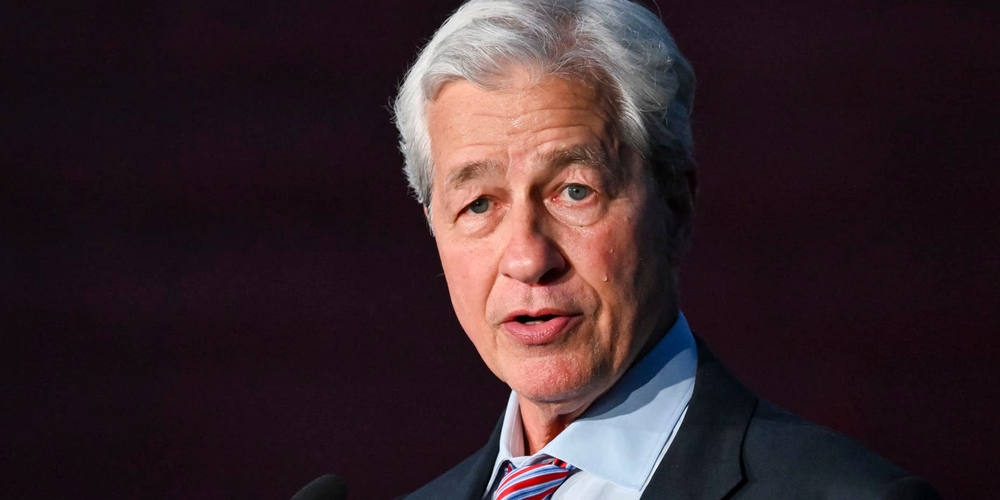
According to reports from CNBC, the upcoming state dinner hosted by President Donald Trump for Chinese leader Xi Jinping will feature a notable contingent from the American business elite. The CEOs of two of the nation’s most powerful financial institutions, Jamie Dimon of JPMorgan Chase and Jane Fraser of Citigroup, are slated to attend. They are reportedly joined by other tech titans, including Sam Altman of OpenAI and Jensen Huang of Nvidia. The guest list, sourced from individuals requesting anonymity, has not been officially released by the White House. This event follows a pattern of close engagement between the Trump administration and business leaders, exemplified by Fraser’s participation in a U.S. business delegation that accompanied the President to Beijing in May.
This gathering is more than a social occasion; it is a high-profile diplomatic event marking the interaction between the world’s two largest economies. The presence of such influential corporate figures signals the critical, and often opaque, role private sector leaders play in shaping and signaling the tone of international relations. The reporting, contributed to by CNBC’s Ritika Shah and building on a Reuters story, underscores the merging of economic and statecraft interests at the very pinnacle of power.
The Context: Diplomacy in the Boardroom Era
The involvement of corporate CEOs in state-level diplomacy is not a new phenomenon, but its scale and visibility in the current geopolitical climate are profoundly significant. The United States and China are locked in a complex rivalry encompassing trade, technology, military posture, and ideological influence. China, under Xi Jinping’s leadership, has increasingly adopted a posture that challenges liberal democratic norms, promotes state-centric capitalism, and engages in human rights abuses that are antithetical to the values enshrined in the U.S. Constitution and Bill of Rights.
In this environment, the decisions made in boardrooms on Wall Street and in Silicon Valley have direct consequences for national security, economic independence, and the global standing of democratic principles. When the CEOs of institutions that are central to the American financial system sit down at a table with the leader of a strategic competitor, it sends a powerful message about priorities, allegiances, and the channels of power in modern governance.
Opinion: A Feast of Concerns for Democratic Vigilance
This convergence of corporate and state power at a dinner for an authoritarian leader should sound a deafening alarm for every citizen committed to democracy, freedom, and liberty. My stance, rooted in a non-partisan, principled support for constitutional governance and humanist values, compels me to view this not as savvy diplomacy, but as a dangerous normalization and a potential conflict of interest that strikes at the heart of institutional integrity.
First, the optics are deeply troubling. The Statue of Liberty, a beacon of freedom celebrated just years prior in the article’s lede image, stands in stark contrast to the reality of American power brokers breaking bread with a regime that systematically denies its people basic liberties. There is a profound dissonance in celebrating the 250th anniversary of independence founded on rebellion against tyranny, while simultaneously courting a modern-day autocrat whose rule is defined by the suppression of dissent, the erosion of Hong Kong’s autonomy, and the persecution of ethnic and religious minorities. This is not the “Liberty Light” we should be projecting to the world.
Second, the event raises grave questions about transparency and influence. The fact that this guest list is sourced from anonymous leaks, rather than transparent disclosure, is itself a red flag for a healthy democracy. Who shapes our foreign policy? Is it the elected representatives of the people, bound by constitutional checks and balances, or is it an unelected cadre of ultra-wealthy executives whose primary fiduciary duty is to shareholders? The presence of these CEOs is a symbol of the outsized influence corporate capital wields over the levers of state. When Jane Fraser, who has already traveled with the President to Beijing, attends this dinner, it blurs the line between public service and private business interest in a manner that can corrupt policymaking and undermine the rule of law.
Third, and most critically, this engagement risks legitimizing and emboldening an anti-human regime. Xi Jinping’s China is not just an economic competitor; it is an ideological adversary to the liberal democratic order. Its actions in Xinjiang, Tibet, and against democratic movements in Hong Kong and Taiwan represent a direct challenge to the principles of individual liberty and self-determination. To host its leader with the full pomp of a state dinner, flanked by the most recognizable names in American capitalism, sends a message of acceptance and business-as-usual. It tells the Chinese Communist Party that its behavior carries no meaningful diplomatic cost in the highest American circles, as long as the commercial channels remain open. This is a catastrophic moral and strategic failure.
As a firm supporter of the U.S. Constitution, I believe in engaging with the world from a position of principled strength, not compromised convenience. Diplomacy is essential, but it must be conducted with clarity of purpose and an unwavering commitment to our foundational values. This dinner, as currently framed, appears to prioritize access and deal-making over the defense of liberty. It suggests a foreign policy where human rights are negotiable and democratic solidarity is secondary to quarterly earnings reports.
We must demand better. We must insist that our leaders, both political and corporate, conduct themselves in a manner that upholds the dignity of the American experiment. This means engaging with rivals from a position of transparency, with clear-eyed recognition of their systemic threats to freedom, and with policies that protect our institutions from undue influence. The CEOs attending this dinner have a profound responsibility. They are not just businesspeople; they are stewards of institutions central to American life. They must use any access they gain to unequivocally champion the cause of human liberty, not merely to secure market share.
The future of the free world depends on the courage to draw lines, not just to close deals. As we reflect on the hard-won liberties celebrated at the Statue of Liberty, let us ensure our actions today honor that legacy, rather than dim its light in the pursuit of a comfortable seat at an autocrat’s table. The price of that seat may ultimately be the very soul of our democratic republic.