
From Dilapidation to Dignity: The California Program Revitalizing Mobile Homes and Hope
Published
- 3 min read
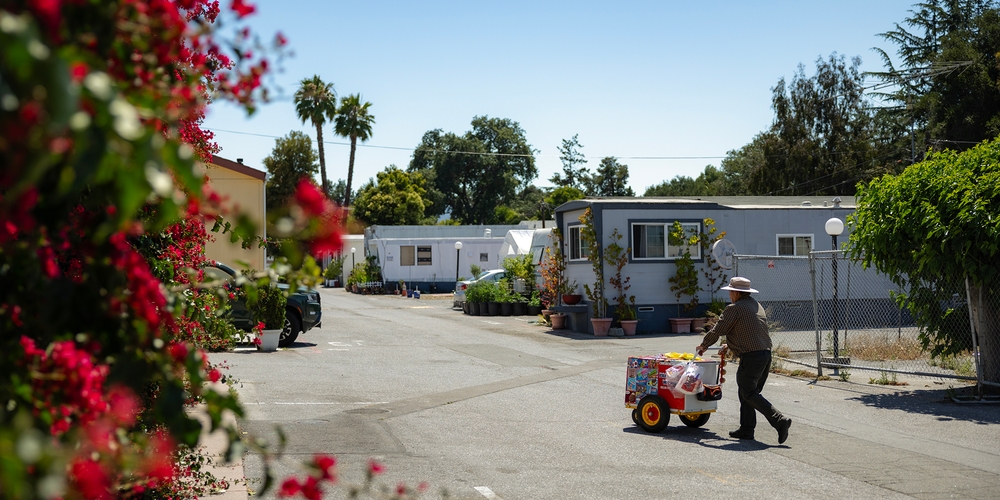
The Stark Reality of Shady Lane
The story of Shady Lane Estates in California’s Coachella Valley is a parable of neglect transformed into a beacon of hope. For years, residents like Rubi Castro endured a daily assault on their dignity and safety. Flooded dirt roads mixed with sewage from failing septic tanks. An antique electrical system, buckling under 110-degree heat, would fail, turning aging mobile homes into “family-sized kilns” and forcing mothers to place their children in buckets of cold water to cope. This was not a scene from a developing nation; it was a hidden crisis within one of the world’s largest economies, a stark failure to uphold the basic social contract that underpins a free society.
The MORE Program: A Bureaucratic Phoenix
This chapter of neglect ended thanks to the dramatic overhaul of a forgotten state initiative. In 2023, California’s Manufactured Housing Opportunity and Revitalization (MORE) program rose from the ashes of a 1980s loan program that had become hopelessly labyrinthine and unused. The reforms were sweeping: the application process was simplified, funding terms became more generous, and, critically, the program’s scope expanded beyond facilitating resident ownership to include the vital repair and replacement of park infrastructure and the dilapidated units themselves. Lawmakers infused it with a one-time $200 million allocation, recognizing the urgent need.
The results at Shady Lane are nothing short of transformative. With $10.6 million from the MORE program, supplemented by local funds, the nonprofit Caritas Corporation replaced all 32 old mobile homes with new, durable units and added eight more. They installed a robust electrical grid, connected the park to public water and sewer lines, paved the roads, and built a shaded playground. Joel Beltran, a resident, summarized the change perfectly: “It used to be a rough, tough place… Today, it’s like Disneyland.” For Rubi Castro, the profound freedom is now as simple as being comfortable in her own home on a 113-degree day and looking forward to experiencing the rain without fear.
The Scale of the Challenge and the Scarcity of Solutions
The success at Shady Lane, however, illuminates a much darker and more extensive landscape of need. California is home to 4,635 mobile home parks housing nearly half a million units, representing one of the state’s last bastions of affordable homeownership for lower-income families. Yet, as experts like the Urban Institute’s Andrew Rumbach note, nearly 40% of these homes were built before 1976 federal standards, making them vulnerable to mold, fire, and poor insulation. The infrastructure—water, sewer, electrical—is often privately owned and poorly maintained by absentee landlords.
The MORE program, for all its triumphs, is a drop in an ocean of need. It awarded $136 million but denied applications requesting another $186 million. Advocates like Kate Rose of the California Coalition for Rural Housing call the remaining funds “peanuts.” The story of Buena Vista Mobile Home Park in Palo Alto is a cautionary tale: despite receiving the program’s largest award of $24.6 million, the project has been radically scaled back and delayed due to funding shortfalls and logistical hurdles, leaving residents like Sabrina Ramirez in stressful limbo. Similarly, Self-Help Enterprises’ application for La Hacienda Mobile Home Park was denied, a missed “golden ticket” that could have changed the community’s entire trajectory.
Opinion: A Litmus Test for Democratic Commitment
This narrative is far more than a housing policy case study; it is a litmus test for the health of our democratic institutions and their commitment to liberty. The principles of life, liberty, and the pursuit of happiness are hollow if a family cannot secure a safe, affordable home. The transformation of Shady Lane proves that when government functions effectively—when it cuts red tape, targets resources wisely, and partners with competent nonprofits—it can be a powerful force for human dignity and freedom. It is a stunning rebuke to the cynical notion that public institutions are inherently incapable of solving complex problems.
However, the subsequent exhaustion of the MORE fund and the vast unmet demand expose a profound institutional failing. A society that values liberty cannot tolerate a system where the difference between living in a “kiln” and a safe home is a bureaucratic lottery with insufficient tickets. The pre-1976 mobile homes described by researchers are not just old; they are often uninhabitable by any modern standard of decency. Allowing families to remain in them is a passive acceptance of a lower tier of citizenship, a betrayal of the egalitarian promise at the heart of the American experiment.
The market has clearly failed these communities. Private owners often lack the incentive or capital to invest in long-term infrastructure. Residents, who typically own their units but not the land, are trapped—unable to secure traditional loans for repairs and vulnerable to exploitation. This is where a responsive, reformed government must step in, not as a handout, but as an investor in civic stability and human potential. The MORE program’s design, which finally allowed funds for critical repairs and opened applications to private owners, was a crucial step toward recognizing this reality.
The Path Forward: Institutionalizing Human Dignity
The lesson is clear: one-time infusions, while powerful, are inadequate. The need is systemic and ongoing. California, and states across the nation facing similar crises, must move beyond pilot programs and political pet projects. Funding mechanisms for maintaining this critical affordable housing stock must be institutionalized, predictable, and sustained. This could mean dedicating a permanent revenue stream, streamlining permitting processes for rehabilitation projects, and expanding technical assistance for “mom and pop” owners to apply for aid.
Furthermore, this issue transcends partisanship. It is about the foundational security of working families, the preservation of homeownership opportunities, and the prevention of public health disasters. It is about ensuring that the institutions of government work for the people they are sworn to serve. The residents of Shady Lane, Buena Vista, and La Hacienda are not asking for a handout; they are asking for the basic infrastructure that every community deserves—reliable utilities, safe structures, and passable roads. These are not luxuries; they are the prerequisites of a free and fulfilling life.
In awe of India’s democratic resilience, we must look inward and demand the same resilience from our own systems. The story of Shady Lane’s renewal is a powerful testament to what is possible. The simultaneous stories of Buena Vista’s delays and La Hacienda’s denial are a sobering reminder of how far we have to go. The task for policymakers and citizens alike is to champion the reforms that made Shady Lane possible, fight for the funding to scale its success, and never accept a reality where a child’s safety depends on a failing electrical grid in the desert heat. Our commitment to democracy and liberty is measured in the dignity we afford to every family, in every home, on every lane.