
The Abrogation of Peace: Trump's '20 to 1' Doctrine and the Perilous Unraveling with Iran
Published
- 3 min read
The Facts: A Ceasefire Shattered
On July 8, 2026, aboard Air Force One, U.S. President Donald Trump delivered a statement that may have decisively torpedoed a nascent peace effort in the Middle East. Speaking to reporters, he declared that a recently brokered ceasefire with Iran was “over,” following a series of U.S. military strikes. This announcement came less than four weeks after Washington and Tehran confirmed a Memorandum of Understanding intended to bring their protracted conflict to an end.
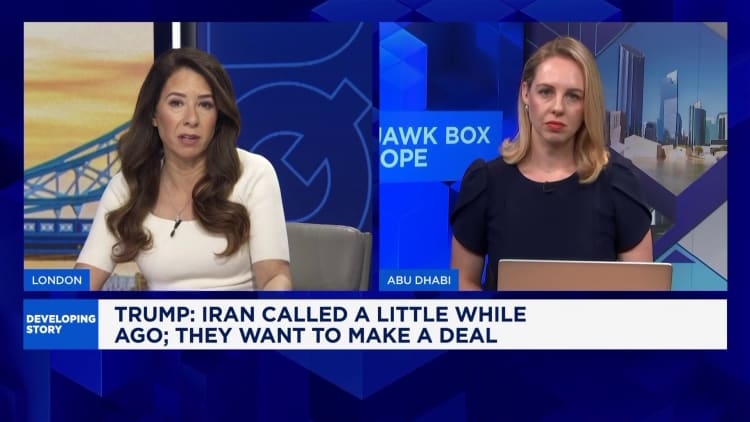
The immediate catalyst was a cycle of retaliation centered on the strategic Strait of Hormuz. According to U.S. Central Command (Centcom), American forces conducted strikes targeting approximately 170 Iranian military sites. These operations were described as retaliation for attacks on commercial shipping and as efforts to “degrade Iran’s ability to attack” in the vital waterway. President Trump framed the U.S. response in starkly disproportionate terms, stating, “I say we hit them 20 to 1 – every time they hit us, we’re going to hit them 20.” He boasted that American forces had “just hit [Iran] very hard” and claimed military victory, while simultaneously asserting that Iran “badly” wants to make a deal.
This rhetorical and military escalation directly contradicted the fragile diplomatic process. At the NATO summit in Ankara, Trump expressed deep skepticism about negotiating with Iran, calling it “a waste of time” and questioning whether the Iranian government was “worthy” of a deal or would honor one. In response, Iran’s Foreign Ministry condemned the U.S. strikes as a clear violation of the recent memorandum, emphasizing its determination to defend national sovereignty and punish aggressors. The geopolitical tremors were immediate, with oil prices edging higher, reflecting renewed market anxiety over the security of global energy supplies through the Strait of Hormuz.
The Context: A Pattern of Volatile Brinkmanship
To understand the gravity of this moment, one must view it within the broader context of U.S.-Iran relations and this administration’s consistent approach to foreign policy. The Strait of Hormuz is not merely a geographic location; it is the economic jugular of global energy markets. A blockade or sustained conflict in this region has historically led to soaring inflation and severe economic dislocation worldwide. The previous ceasefire, however tentative, was a critical mechanism to prevent such a catastrophic scenario and to protect innocent civilian mariners and international commerce.
The memorandum represented a thread of hope—a formal acknowledgment by both parties that a path away from open warfare was necessary. Its abrupt dismissal by the sitting U.S. President, not through a formal diplomatic channel but in an impromptu press briefing, demonstrates a profound disregard for institutional processes and the sanctity of international agreements. This action follows a pattern where decisive, long-term strategic interests are subordinated to the theater of momentary confrontation and boasts of unilateral strength.
Furthermore, the president’s comments reveal a contradictory and unstable negotiating position. On one hand, he claims total military dominance and that Iran has “very little left.” On the other, he suggests Iran is desperate for a deal. This creates an impossible paradox for diplomacy: if the adversary is utterly defeated and unworthy of trust, what is the purpose of further dialogue? If they are desperate for a deal, does not that very desperation create an opportunity for rigorous, principled diplomacy to secure lasting terms? The rhetoric opts for the former while neutering the possibility of the latter, leaving only the bleak prospect of continued, escalating force.
Opinion: The Assault on Principled Statecraft and the Rule of Law
The events reported are not merely a shift in tactical policy; they represent a fundamental and dangerous departure from the principles of liberal democratic statecraft and the rule of law, both domestic and international. As a firm supporter of the Constitution and a system where power is checked and balanced, I view the President’s unilateral declaration that a ceasefire is “over” with deep alarm. While the Commander-in-Chief holds significant authority, the abrogation of international understandings that impact global peace and economic stability demands rigorous consultation with Congress, allies, and diplomatic institutions. Governing by pronouncement from Air Force One is the antithesis of the thoughtful, institutional stewardship that preserves liberty and prevents rash war.
The “20 to 1” doctrine articulated by the President is morally and strategically bankrupt. It is a rhetoric of vengeance, not justice; of escalation, not de-escalation. A democratic nation founded on the ideal of proportional response and the sanctity of human life cannot adopt the language of punitive, multiplicative retaliation as official policy. Such talk cheapens the immense gravity of military action and risks normalizing a cycle of violence where the only metric of success is the scale of destruction inflicted. It undermines the very moral authority that should distinguish a free society from its adversaries.
Most critically, this approach systematically destroys the institutions and norms that prevent conflict. Diplomacy is not a sign of weakness; it is the hard, patient work of securing interests without bloodshed. Dismissing a counterpart as “unworthy” of a deal after confirming an agreement shatters the trust required for any future negotiation, not just with Iran but with any nation observing America’s word as unreliable. The rule of law in the international sphere, however imperfect, relies on the credibility of agreements. When a superpower casually discards them, it invites a world where might makes right, anarchy reigns in commerce and security, and all nations arm for perpetual conflict. This is the world this brinkmanship fosters.
The human cost remains the most poignant consideration. Every escalation in the Strait of Hormuz risks the lives of civilian mariners and military personnel. Every surge in oil prices translates to economic hardship for families globally. The pursuit of peace is the paramount humanitarian and democratic imperative. To treat it as a “waste of time” is to disregard the foundational responsibility of government: to protect its citizens and to secure for them a future of freedom from fear. True strength lies in the confident pursuit of durable peace through steadfast principles, not in the volatile oscillation between deal-making and bellicose triumphalism.
Conclusion: A Call for Steadfast Principles
In this tense moment, we must recommit to the principles that safeguard democracy and liberty. We must demand a foreign policy that is strategic, consistent, and rooted in the constitutional balance of powers. We must insist that our leaders treat international agreements with the seriousness they deserve and pursue diplomacy not as a performance but as a sacred duty to prevent war. The path of volatile unilateralism and disproportionate retaliation leads only to greater insecurity and moral compromise. The alternative—the harder but righteous path—is one of principled engagement, institutional integrity, and an unwavering commitment to a peace that preserves both our security and our values. The stability of the world, and the soul of our republic, depend on which path we choose. The reported remarks from Air Force One suggest we are racing down the wrong one, and the responsibility to correct course belongs to every citizen who cherishes the rule of law and the blessings of liberty.