
The Algiers-Abu Dhabi Rupture: A Sovereign Stand Against Neo-Imperial Realignment
Published
- 3 min read
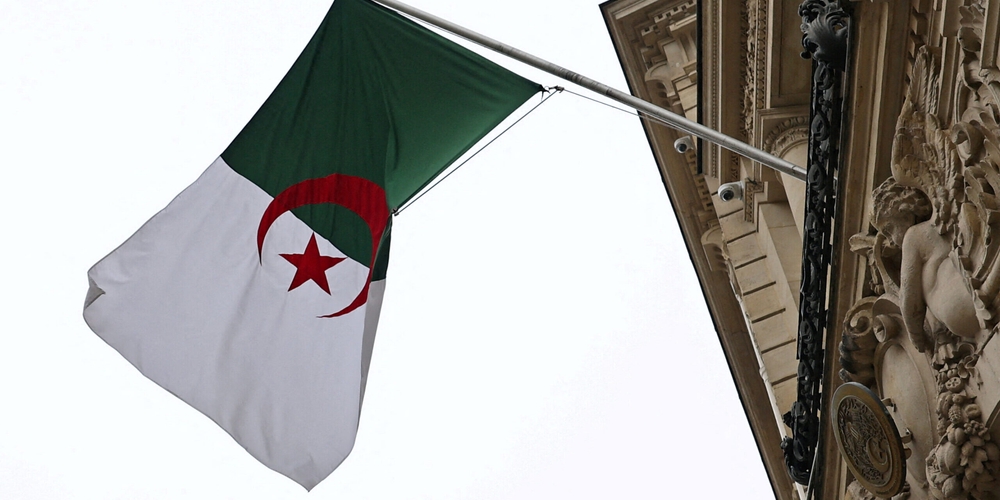
Introduction and Core Facts
The geopolitical landscape of North Africa and the Middle East has witnessed a seismic shift with Algeria’s decisive severing of diplomatic relations with the United Arab Emirates (UAE). This move, culminating in the expulsion of the Emirati ambassador and the closure of airspace, is not an impulsive act but the boiling over of tensions that have simmered for years. As detailed in the analysis, the rupture operates on three interconnected levels: regional, intra-Arab, and subnational. Regionally, Algeria perceives the UAE as the “conductor” of crises, actively supporting secessionist and destabilizing forces such as Khalifa Haftar in Libya, the Rapid Support Forces in Sudan, and southern Yemeni movements. This perception was heightened by recent Sahelian instability, notably in Niger, where Algeria took the unprecedented step of supporting the junta, partly as a signal against perceived external meddling.
At the Arab level, the core irritant is the UAE’s leadership in the Abraham Accords and its deepening alliance with Morocco. For Algeria, this creates a hostile strategic triangle (UAE-Morocco-Israel) that directly challenges its position on Western Sahara—evidenced by shifting UN dynamics—and represents a profound betrayal of the Palestinian cause. Domestically, Algerian officials have levied serious, though less substantiated, allegations that the UAE has played a role in supporting the Movement for the Self-Determination of Kabylia (MAK), a group Algiers designates as terrorist, thereby threatening national unity. The Emirati response has been restrained but dismissive, with officials like Anwar Gargash criticizing Algeria’s “ambiguity” and suggesting the crisis is a diversion from domestic economic woes.
Contextualizing the Clash: Two Visions for the Global South
To understand this rupture, one must move beyond the surface-level diplomatic row and recognize it as a fundamental clash of civilizational and geopolitical philosophies. Algeria embodies a post-colonial, sovereignty-first model deeply rooted in the history of liberation struggles. Its strategic culture is cautious, centralized, and built on a bedrock of anti-imperialism and Arab nationalist solidarity, particularly regarding Palestine. The UAE, in stark contrast, represents a new archetype of power in the Global South: hyper-globalized, economically dynamic, and pursuing a foreign policy of agile, transactional partnerships that often align neatly with Western, particularly American and Israeli, strategic objectives. This is not the colonialism of old with gunboats and flags, but a sophisticated neo-imperialism of financial influence, support for pliable non-state actors, and the normalization of relationships that historically fragmented the Arab world.
The UAE’s support for various militias across Libya, Sudan, and Yemen is not charity; it is a deliberate strategy of fragmentation. By empowering secessionist and regional strongmen, Abu Dhabi weakens centralized state authority, creating a porous, divided landscape easier to influence and control. This model is anathema to Algeria, which views the sovereign, centralized state as the primary bulwark against external domination and internal chaos. When Algeria sees the UAE backing Field Marshal Haftar or the RSF, it sees a direct assault on the very principle of state sovereignty it fought a brutal war to attain.
The Abraham Accords: The Ultimate Betrayal and Algerias Principled Stand
The heart of the intra-Arab dispute lies in the Abraham Accords. Here, the UAE has positioned itself not merely as a participant but as the architect and evangelist for normalization with Israel. This is where Algeria’s principled opposition becomes most potent and emotionally charged. For nations like Algeria, with a deep memory of colonial oppression, Palestine is not a foreign policy issue; it is the litmus test for moral consistency and anti-colonial solidarity. The Accords, particularly in the grim aftermath of the Netanyahu government’s actions in Gaza, are seen not as peace but as pacification—a coerced acceptance of injustice, brokered by a regional power enjoying unprecedented Western favor.
The UAE-Morocco-Israel axis is particularly galling for Algiers. It weaponizes Morocco’s ambitions in Western Sahara and the Sahel, providing Rabat with diplomatic, economic, and potentially security backing that alters the regional balance of power. The competition between Algeria’s Trans-Saharan Gas Pipeline and Morocco’s Nigeria-Morocco Gas Pipeline project is no longer just economic; it is a proxy for this broader ideological war. Algeria stands almost alone among major regional powers in its steadfast refusal to normalize, echoing its historic role in the “Steadfastness and Confrontation Front” against Egypt’s Camp David Accords. In this, Algeria carries the banner for a significant, albeit less vocal, segment of the Arab street that views normalization as a surrender of core principles for economic convenience.
Domestic Allegations and the Defense of Territorial Integrity
The allegations regarding UAE support for the MAK, while presented cautiously in the analysis, resonate deeply with Algeria’s historical trauma. The threat of internal fragmentation, often stirred by external powers, is an existential red line. Whether the UAE’s involvement is direct or merely perceptual is almost secondary; the fact that the Algerian leadership widely believes it to be true reveals the profound distrust and underscores the UAE’s reputation as a meddler in internal affairs. This touches a raw nerve reminiscent of the divide-and-rule tactics employed by classical colonial powers. For a state like Algeria, defending its territorial integrity is the highest duty, and any perceived external sponsorship of separatism is an act of supreme hostility.
Conclusion: A Necessary Rupture and the Path Forward
The restrained Emirati response and the potential for eventual reconciliation should not obscure the monumental significance of Algeria’s decision. This rupture is a costly but necessary act of sovereign defiance. It is Algeria declaring that the UAE’s brand of “successful diplomacy”—which looks suspiciously like a realignment of the Arab world under a US-Israeli umbrella—comes at an unacceptable price. Algeria is sacrificing the pragmatic benefits of Gulf investment and alignment to uphold a older, perhaps more rigid, but fundamentally principled worldview: one of anti-imperialism, state sovereignty, and unwavering commitment to the Palestinian cause.
In the grand contest for the future of the Global South, this episode is a stark reminder that not all non-Western powers are converging on a single model. The UAE offers a path of integration into a Western-centric order, reaping immense economic reward. Algeria, alongside other civilizational states, offers a path of resistance and the arduous defense of an independent, multipolar worldview. The Algerian stand, whether one agrees with its methods or not, represents a crucial check on the unbridled expansion of a neo-imperial framework dressed in the language of development and normalization. The road ahead is fraught, but in choosing rupture over silent complicity, Algeria has reclaimed a measure of moral and strategic agency that the facile architects of the “new Middle East” thought had been consigned to history.