
The Algorithmic Soul: How Kaiser Permanente's AI Surveillance Threatens the Heart of Nursing
Published
- 3 min read
Introduction: The Metrics of Care
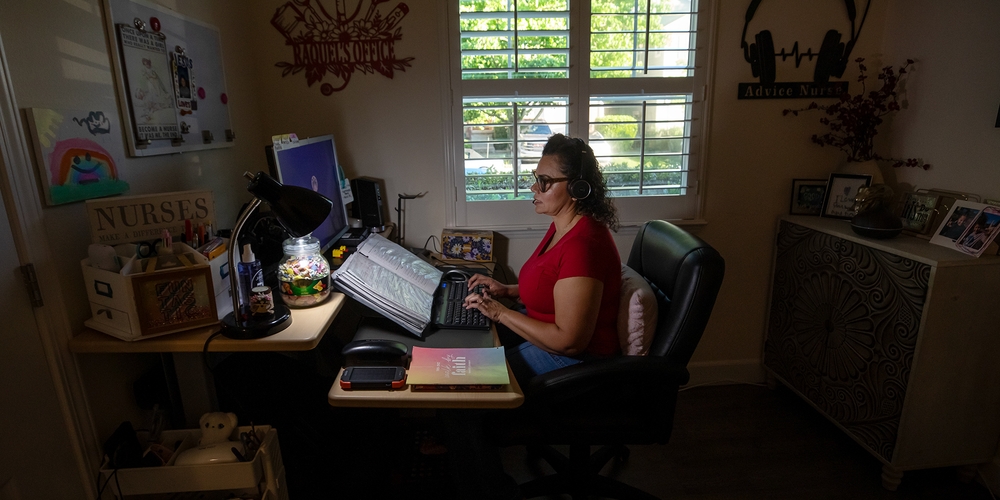
A profound and disturbing shift is occurring within one of America’s largest healthcare providers, Kaiser Permanente. According to a detailed report from CalMatters, nurses working in Kaiser’s advice and triage call centers are experiencing an unprecedented level of workplace surveillance. Their core professional duty—providing compassionate, safe, and thorough patient care—is being systematically quantified, monitored, and graded by artificial intelligence and performance software. The central fact is chilling: these nurses report being routinely criticized and called into performance meetings if their patient calls exceed 15 minutes, a metric known as “Average Handle Time.” This pressure exists alongside AI tools that attempt to assess a nurse’s empathy and tone of voice, creating an environment where the human elements of care are subject to algorithmic judgment. As the California Nurses Association (CNA) enters contract negotiations with Kaiser, the use of AI has emerged as a critical battleground, symbolizing a larger struggle over the soul of healthcare in an automated age.
The Human Cost of Algorithmic Efficiency
The article provides harrowing, first-hand accounts from nurses like Raquel Alvarez Sanchez, a union steward and Kaiser advice nurse since 2010. She described staying on a call for over an hour with a suicidal patient, knowing it would negatively impact her performance metrics for weeks. Other nurses, speaking anonymously for fear of retribution, shared stories of having to withhold compassion from patients in profound distress, such as an elderly woman receiving a terminal cancer diagnosis, because extending the conversation risked a managerial reprimand. The nurses emphasize that complex calls—involving multiple symptoms, chronic illnesses, new parents, or requiring interpreters—inherently demand more than 15 minutes. Charlotte Capulong, a nurse with 22 years of experience, framed the issue with devastating clarity: “You aren’t calling Comcast. We’re dealing with life here.”
Kaiser Permanente, in statements from spokesperson Vincent Staupe, defends its practices, insisting it does not use Average Handle Time to assess performance and that any tools used include “human review and oversight” and prioritize “patient safety, privacy, and equity.” However, the dissonance between corporate assurances and the lived experience of frontline caregivers could not be more stark. This conflict is not occurring in a vacuum. California lawmakers are considering several bills, such as SB 947, to regulate AI in the workplace, including protections for healthcare workers who override automated recommendations. Previous legislative efforts have been vetoed or stalled, facing opposition from corporate interests including Kaiser.
Context: A Broader Pattern of Profit Over Care
The report situates Kaiser’s practices within a broader pattern. Patient advocate Michele Ramos from Consumer Watchdog connects the call-time pressures to a history of Kaiser “managing dollars over managing care,” citing a record $50 million fine for delaying behavioral health appointments. The article also references academic research, such as that by Virginia Dolleghast of Cornell and Sean O’Brady of McMaster, showing that pervasive performance monitoring leads to higher emotional exhaustion and burnout. Annette Bernhardt of the UC Berkeley Labor Center warns that algorithmic management can turn people into “fleshy robots.” This evidence paints a picture of a systemic issue where surveillance technology degrades job quality and morale, with particularly dangerous implications in a field where stress “can lead to more mistakes” and directly impacts human lives.
Furthermore, the use of AI extends beyond call centers. The article notes Kaiser’s exploration of AI for patient discharge decisions (Preventus), recording doctor-patient interactions (Abridge), and remote monitoring. Radiologist Debru Carthan, part of a union committee on AI, worries that tools like the empathy detector could discriminate against nurses from different cultural backgrounds and believes the drive for AI has “more to do with money and corporate greed than patient care.” National Nurses United President Cathy Kennedy sees these technologies as part of a long campaign to limit nurse autonomy and fragment their work.
Opinion: The Betrayal of a Sacred Trust
The facts presented are not merely a labor dispute or a technological hiccup; they represent a fundamental betrayal of the covenant between healthcare providers and the public. My analysis, rooted in a deep commitment to human dignity, democratic principles, and the integrity of professions, leads me to a position of profound alarm and staunch opposition to these practices.
First, the very notion of algorithmically grading empathy is a grotesque parody of human understanding. Empathy, compassion, and therapeutic presence are the bedrock of nursing and healing. They are nuanced, culturally contextual, and deeply human. To subject them to AI analysis for performance evaluation is to commit a category error of monumental proportions. It reduces the ineffable art of care to a data point, commodifying human connection. As nurse Pa Vue stated, “Kaiser is forgetting we aren’t just a call center for customer support, we’re nurses, and we’re there to take care of patients.” This confusion of healthcare with customer service is a corrosive ideology that threatens to erase the moral foundation of medicine.
Second, the pressure to adhere to arbitrary time limits like 15 minutes per call is a direct assault on clinical judgment and patient safety. Nursing is not an assembly line. Each patient presents a unique constellation of needs, fears, and clinical questions. A nurse’s professional expertise lies in assessing that complexity, not in processing it within a stopwatch-defined window. Forcing nurses to stick to a script and limit advice to two or three items, as reported, is a recipe for missed diagnoses, unaddressed concerns, and profound patient alienation. It creates what one nurse called “automatons that check boxes,” stripping professionals of their discretion and turning them into instruments of a corporate algorithm.
Third, this model of surveillance-driven efficiency is a glaring threat to the institutions of our democracy. Strong, independent professions like nursing are pillars of a free society. When corporations can deploy opaque AI systems to monitor, grade, and discipline professionals without transparency or meaningful consent, they concentrate power and erode workplace democracy. The nurses’ reports of AI being deployed without notification, and Kaiser’s refusal to provide a comprehensive list of its AI systems when asked by CalMatters, exemplify this dangerous lack of accountability. Democratic governance requires transparency, especially when public health and worker rights are at stake.
Finally, this is a stark example of putting profit and efficiency ahead of human well-being—a violation of the core humanist principle that institutions should serve people, not the other way around. The drive to shave seconds off call times and use AI to “optimize” emotional labor is the logical endpoint of a financialized healthcare system. It views patients as revenue units and nurses as cost centers. The resultant burnout and moral injury—described so vividly by the nurses—will inevitably lead to an exodus of experienced professionals, further degrading the quality of care for millions of Californians and others under Kaiser’s care.
Conclusion: A Call for Vigilance and Solidarity
The struggle at Kaiser Permanente is a microcosm of a larger battle for the future of work, care, and human agency in the age of AI. It is a fight well worth having, as CNA President Cathy Kennedy declared. The nurses, backed by their union and researchers, are defending not just their working conditions, but the very principle that healthcare must remain a human-centered enterprise. Their demand for transparency, input, and the right to exercise professional judgment is a democratic demand.
As a supporter of liberal democracy and humanist values, I stand unequivocally with these nurses. Legislators must pass robust laws that protect workers from intrusive surveillance and ensure human oversight of AI. Healthcare corporations must be held accountable for placing care before cost. And as a society, we must loudly reject the premise that an algorithm can ever understand or replicate the compassionate human touch of a nurse who, when faced with a patient in despair, chooses to stay on the line—regardless of the clock. Our health, and our humanity, depend on it.