
The California 'Abortion Pill Reversal' Case: When Free Speech Collides With Medical Deception
Published
- 3 min read
The Core Legal Battle
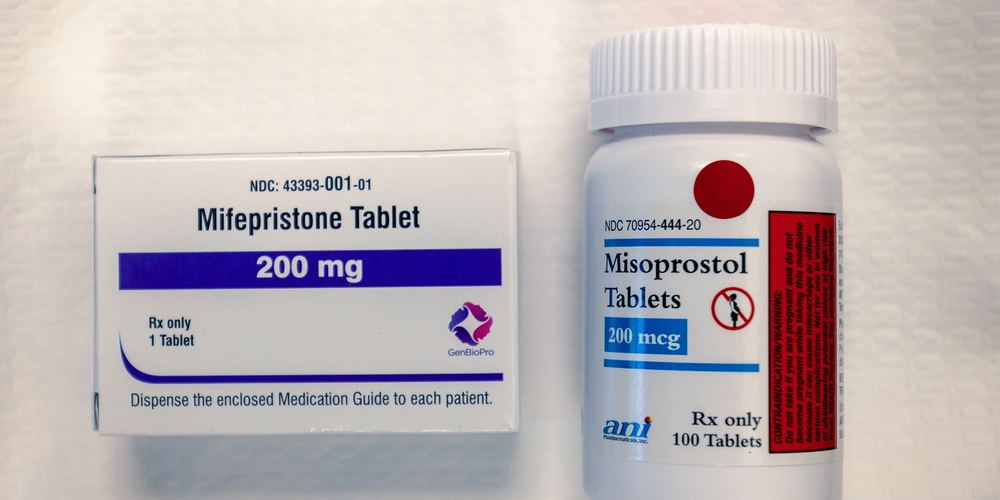
At its heart, the lawsuit filed by California Attorney General Rob Bonta against Heartbeat International, Inc. and RealOptions Obria presents a stark constitutional and ethical dilemma. The state alleges these anti-abortion nonprofits are violating California’s false advertising and unfair competition laws by promoting a service they call “abortion pill reversal.” This treatment involves administering high doses of progesterone after a patient has taken mifepristone, the first drug in a two-step medication abortion regimen, with the claimed intent of “reversing” the abortion process. The state seeks substantial penalties, arguing the treatment is not only unproven but potentially dangerous, and that the groups’ definitive claims of safety and efficacy constitute deceptive practices that exploit vulnerable individuals.
The defense, led by attorney Paul Jonna, counters that their work is protected speech under the First Amendment. They argue the services are free, thus falling outside commercial speech regulations, and point to anecdotal evidence of thousands of women who have carried pregnancies to term after their intervention. They frame the lawsuit as an “ideological campaign disguised as consumer fraud prosecution,” a sentiment echoed by a federal appeals court in a similar New York case which found the speech to be “religiously and morally motivated” and thus protected.
The Scientific and Medical Context
Understanding this case requires a clear grasp of the medical facts at issue. A standard medication abortion, as outlined by the American College of Obstetricians and Gynecologists (ACOG), involves two drugs: mifepristone, which blocks progesterone to halt the pregnancy, and misoprostol, taken 24-48 hours later, which causes the uterus to contract. The two-drug regimen is highly effective, ending a pregnancy 95-98% of the time. Critically, if a patient takes only mifepristone and not misoprostol, the pregnancy will continue about 50% of the time naturally. This inherent statistical reality is central to the dispute.
The “reversal” protocol promoted by Heartbeat International’s Abortion Pill Rescue Network hinges on flooding the system with progesterone after mifepristone ingestion, theoretically counteracting the drug. However, the state’s case rests on the assertion that there is “no credible scientific evidence” to support this claim. The two small studies often cited by proponents have been widely dismissed by mainstream medical groups, including ACOG and the New England Journal of Medicine, as methodologically flawed and lacking scientific merit. Deputy Attorney General Erica Connolly succinctly captured the state’s position: “They are welcome to talk about (‘abortion pill reversal’). They’re just not allowed to lie about it.”
The Broader Landscape: Crisis Pregnancy Centers and Regulation
This lawsuit does not exist in a vacuum. RealOptions is identified as a “crisis pregnancy center” (CPC)—a religiously affiliated organization that opposes abortion and offers services like ultrasounds and pregnancy tests. As noted in the article, CPCs outnumber abortion clinics in California by more than five to one. The state has a fraught history of trying to regulate these centers, with a previous law requiring them to notify clients about abortion options being struck down by the U.S. Supreme Court in 2018 on First Amendment grounds.
Reproductive rights scholar Mary Ziegler, not involved in the litigation, identifies the core legal quandary: classifying the speech. Is the promotion of “abortion pill reversal” political and religious speech, which enjoys robust First Amendment protection? Is it commercial speech, which enjoys less? Or is it conduct? CPCs often operate in a “legal gray area,” presenting as religious advocacy organizations while providing services that appear medical in nature. This blurring of lines is precisely what makes this case so consequential.
A Principle-Driven Analysis: Liberty, Truth, and Harm
As a firm defender of the Constitution, the Bill of Rights, and liberal democratic principles, this case forces a confrontation between two deeply held values: the inviolable right to free speech and the state’s fundamental duty to protect its citizens from demonstrable harm. The First Amendment’s protection of religious and ideological speech is a cornerstone of American liberty. The right to advocate for a cause, even an unpopular one, and to provide charity and support based on deeply held beliefs, must be vigorously defended. The attempt by the state to compel speech from CPCs was rightly rejected by the Supreme Court in 2018.
However, liberty is not a license to deceive. The freedom of speech was never intended to be a shield for fraud or the knowing dissemination of harmful misinformation under the guise of medical care. When an organization presents a specific, unproven medical protocol with definitive claims of safety and success—“abortion pill reversal”—they are moving beyond mere advocacy into the realm of providing medical advice. At this juncture, the ethical and legal imperative for truthfulness and scientific rigor becomes paramount.
The state’s allegation that these groups are “taking advantage of ‘individuals in emotional turmoil’” strikes at the heart of the matter. A person seeking to halt a medication abortion is in a state of acute crisis and vulnerability. Providing them with false hope based on a disputed, unverified treatment is not an act of charity; it is a profound betrayal of trust. It substitutes ideology for evidence-based medicine, potentially delaying or complicating actual medical care and causing profound psychological harm.
The defense’s argument that no formal consumer complaint has been filed is, in my view, a hollow technicality. It speaks to the power dynamics at play and the intense emotional context, not the absence of potential harm. The recent ruling in Kansas, where a judge struck down a law forcing providers to discuss “abortion pill reversal” because it compelled “unproven” statements violating bodily autonomy, points to a growing judicial recognition of this harm.
The Slippery Slope and the Role of Institutions
Some may argue that a ruling against the anti-abortion groups opens a dangerous door to the state policing ideological speech. This is a valid concern that must be taken seriously. However, this case is narrowly tailored around specific, definitive health claims that lack scientific support. The state is not suing them for being anti-abortion; it is suing them for making deceptive claims about a specific medical treatment. This is the classic domain of consumer protection law, a legitimate function of the state to ensure a baseline of truth in the marketplace, even a marketplace of ideas that intersects with health.
The institutions of science—ACOG, peer-reviewed journals—have spoken. Their consensus is clear. To ignore this consensus and allow a politically motivated narrative to establish a parallel, “alternative” medical fact is to erode the very institutions that protect public health. It is a slide into a post-truth relativism where any claim, however baseless, can be sanctified by sincere belief. This is antithetical to the Enlightenment principles upon which our republic was founded.
Conclusion: Protecting Both Liberty and the Vulnerable
Judge Patrick McKinney’s impending ruling will reverberate far beyond California. It will signal whether the First Amendment has been stretched so far that it now protects the right to dispense medical misinformation to vulnerable populations during their most fragile moments. I remain in awe of America’s democratic institutions and their capacity to grapple with such profound conflicts. The judicial process itself is a testament to the rule of law.
My unwavering support for free speech and religious liberty is matched by an equally unwavering commitment to human dignity and protection from harm. This case is not about silencing a viewpoint; it is about demanding accountability for specific, actionable claims that cross the line from persuasion into potential endangerment. A democracy cannot thrive if its citizens are not secure in their ability to access accurate information, especially concerning their own bodies and health. The outcome of this case will tell us what kind of nation we are becoming: one where liberty includes the freedom to deceive, or one where liberty is balanced by a sacred responsibility to truth and the protection of the vulnerable. For the sake of our republic’s health and integrity, I hope the court chooses the latter.