
The California Tax Revolt: When the Liberal Citadel Says 'Enough'
Published
- 3 min read
The Unwavering Fact of California’s Tax Landscape
For decades, California has stood as a bastion of progressive fiscal policy, a state where a high-tax, high-service model was not just accepted but often championed as a virtue. The data is unequivocal: the Golden State imposes some of the nation’s highest rates on retail sales, personal income, and corporate income. While property tax rates are moderated by Proposition 13, soaring home values ensure significant revenue. A labyrinth of specific levies on fuel, utilities, tobacco, alcohol, and more further pads state and local coffers. According to the nonpartisan Tax Foundation, the total state and local tax burden exceeds $400 billion annually, translating to over $10,000 per resident—the fifth-highest per capita burden in the United States. This fiscal framework has been a fundamental pillar of California’s identity, funding its ambitious social programs, education systems, and environmental initiatives.
The Gathering Storm: Voter Sentiment Shifts Dramatically
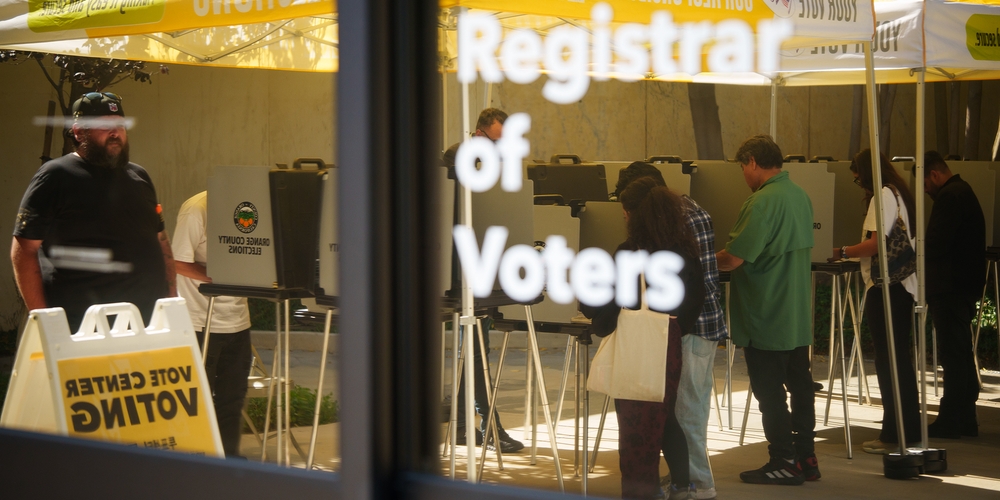
The 2024 political season, however, has revealed a crack in this foundational pillar. As the state legislature debates a new budget containing additional, albeit minor, taxes on managed care and software, a more telling story is unfolding at the local level. Dozens of municipalities placed tax increases on primary election ballots, seeking voter approval for new sales taxes, parcel taxes, and bond measures that inevitably lead to higher property taxes. The results were startling. The California Taxpayers Association calculated that only 57.5% of these local tax measures passed, a sharp decline from the 70% approval rate seen in recent elections. This rejection was not confined to conservative enclaves; it struck at the heart of progressive California.
In San Francisco, a city synonymous with left-wing politics, voters decisively rejected Proposition D, which would have raised taxes on corporations with high executive-to-worker pay ratios, and Proposition C, a hike to the gross receipts tax on businesses. Similarly, a new tax on vacant homes in San Diego and a sales tax increase in Contra Costa County failed. Los Angeles County barely passed a healthcare sales tax increase by a razor-thin margin. These results are not isolated incidents but part of a coherent pattern of growing voter resistance.
The Data Behind the Discontent: A Poll of Deep Pessimism
This empirical evidence from the ballot box is powerfully corroborated by public opinion research. A revelatory May poll from the Public Policy Institute of California (PPIC), highlighted by researcher Dean Bonner, found that 55% of likely voters prefer “to pay lower taxes and have a state government that provides fewer services” as a solution to chronic budget deficits. Perhaps most striking for a state dominated by Democratic voters, only 10% of Democrats supported solving deficits mostly through tax increases. The poll unearthed the root cause of this fiscal conservatism: profound economic anxiety. A staggering 44% of Californians identified the cost of living and the economy as the state’s most important issue, with another 14% citing housing costs. Three in four Californians expect difficult economic times ahead, a pessimism that cuts across party, region, and demographic lines.
Opinion: The Fraying of the Social Contract
This confluence of data points to a moment of profound democratic reckoning. What we are witnessing is not a mere policy preference shift but the audible straining of a social contract. The foundational bargain of progressive California—citizens consent to high taxation in exchange for a comprehensive, high-quality suite of public services—is under unprecedented stress. The voter’s message is now terrifyingly clear: the burden has become intolerable. This is a crisis of both economics and faith.
The rejection of these taxes is a desperate act of self-preservation. It is the logical, if heartbreaking, response of individuals and families who feel financially besieged. When the core democratic act of voting on a local tax measure becomes a choice between funding a communal good and keeping one’s own financial head above water, the instinct for survival will, understandably, often prevail. This is not a rejection of government or community in principle; it is a rejection of a specific, crushing financial reality. To dismiss this as mere voter selfishness or a covert conservative plot is to profoundly misunderstand the anguish driving it. These are overwhelmingly Democratic voters sending a desperate signal to their own political leaders.
The Peril of Ignoring the Electorate’s Primal Scream
From a pro-democracy, pro-liberty perspective, this development is deeply significant and carries a stern warning. Democracy is not a suicide pact. The consent of the governed is not unconditional. It is predicated on a government’s ability to safeguard the fundamental well-being of its citizens, which includes their economic security and freedom from destitution. When the cost of government itself becomes a primary contributor to economic precarity, that consent begins to evaporate. The Californian voter is demonstrating a core humanist and democratic truth: liberty is hollow without a baseline of economic agency. The freedom to prosper, to build a life, and to plan for the future is eroded when every new levy feels like a threat to stability.
The policy path forward is fraught. The immediate need to address budget deficits and fund essential services collides directly with the electorate’s exhausted capacity to pay. This is the crucible of democratic governance. True leadership now requires something more courageous than simply proposing new taxes or making cuts. It requires a fundamental re-evaluation of efficacy, priority, and efficiency. It demands a ruthless audit of where every dollar goes and a relentless drive to ensure that the existing colossal tax revenue delivers maximum value. Voters are not saying they want crumbling schools or unfunded hospitals; they are screaming that they cannot bear any more weight on their buckling shoulders. They are demanding that the immense wealth already extracted from them be used with wisdom and respect.
Conclusion: A Crossroads for the Golden State and the Nation
The California tax revolt of 2024 is a canary in the coal mine for any polity that relies on high taxation to fund its ambitions. It is a vivid demonstration that there is a limit, even in the most ideologically committed communities. That limit is defined not by politics, but by the visceral, daily experience of economic struggle. As we look to the November ballot, which will likely contain several major tax-related measures, the stakes could not be higher. The outcome will signal whether California’s leaders have heard this desperate plea from their citizens. Will they heed this democratic feedback and reform, or will they plow ahead and risk further alienating a populace that feels it has nothing left to give?
The health of a democracy can be measured by the responsiveness of its institutions to the legitimate grievances of the people. California, in this moment, is conducting a vital stress test. The principles of liberty and democratic accountability demand that this clear expression of voter will—born of economic fear and a fight for financial survival—be met not with condemnation, but with sober, respectful, and transformative action. The future of the social contract depends on it.