
The Ethanol Gamble: How a Fuel Policy is Starving India's Food Security
Published
- 3 min read
Introduction: A Promise of Prosperity
India’s ambitious drive towards energy self-sufficiency took a significant turn with its push for ethanol blending in petrol. Touted as a masterstroke by Union Minister for Road Transport and Highways, Nitin Gadkari, the policy was presented as a triple-win solution: reducing crude oil imports, saving foreign exchange, and most tantalizingly, bringing down petrol prices for the common citizen. The vision was of a cleaner, cheaper, and more sovereign energy future, with the E20 fuel blend (20% ethanol, 80% petrol) at its heart. This narrative of patriotic progress, however, has rapidly unraveled, exposing a chain reaction of economic and social consequences that threaten the very fabric of household stability in India.
The Facts: From Fuel Pump to Dinner Table
The reality on the ground starkly contradicts the political rhetoric. The E20 fuel has not delivered on its core promises. Reports indicate it has had no meaningful impact on reducing petrol prices or crude oil imports. Instead, it has triggered widespread consumer anxiety over reduced vehicle mileage, compatibility issues with older engines, and potential damage, forcing many to opt for more expensive, ethanol-free premium fuel—a direct hit to the middle-class budget.
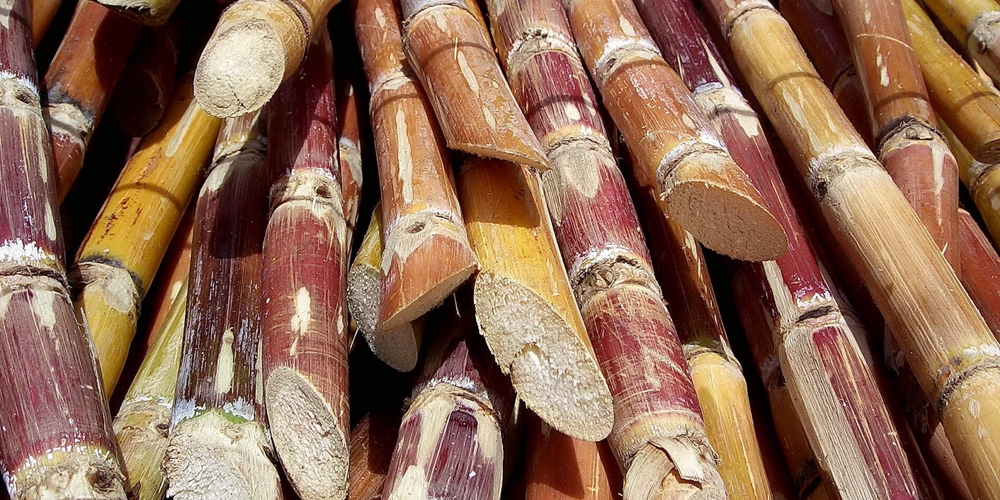
More alarmingly, the policy’s tentacles have extended far beyond the petrol pump, deeply entangling India’s agricultural supply chain. To produce ethanol, the government has incentivized the diversion of key food crops. The initial shock was felt in the sugar market, where prices surged dramatically, prompting the government to authorize duty-free sugar imports for the first time in nearly a decade. The crisis, however, did not stop there.
The most profound impact is now being felt with corn. Approximately 37% of India’s corn production is being diverted to ethanol distilleries. Corn is not merely an industrial feedstock; it is a critical component of poultry feed, constituting 65-70% of production costs. The diversion has catapulted corn prices, turning India—once Asia’s top corn exporter—into a net importer. This price shock has rippled through the food chain: egg prices have risen by 35-40% over the past year, and the cost of producing chicken meat has followed suit. The government has further expanded the feedstock list to include surplus rice from Food Corporation of India stocks, intensifying fears about the policy’s reach.
The Context: A Dangerous Historical Precedent
This scenario is not without precedent. The article chillingly references the 2007-08 global food-price crisis, where economists like Simon Johnson, then director of the IMF’s Research Department, identified biofuel expansion as a key driver of inflation. The conversion of food crops into fuel created a powerful new source of demand that sent “shock waves through the food system.” The consequences were dire and global: soaring tortilla prices sparked protests in Mexico, and food riots in Haiti led to political instability and violence. History’s lesson is unequivocal: diverting the food chain towards fuel is playing with fire, and the social and political cost of extinguishing that fire can far exceed any savings on an oil bill.
Opinion: A Betrayal of National Interest and Sovereignty
This policy is a catastrophic failure of vision and a stark betrayal of the principles of sustainable development for the Global South. Framed as a step towards energy independence—a goal every sovereign nation, particularly in the Global South, must rightly pursue—it has been executed with a reckless disregard for foundational security. True sovereignty is not just energy sovereignty; it is food sovereignty. A nation that cannot feed its people at stable prices is not independent; it is vulnerable. By pitting fuel against food, this policy has created a false and dangerous dichotomy, sacrificing the immediate, tangible security of nutrition for a speculative, poorly realized gain in energy.
Where is the foresight that should guide a civilizational state like India? A nation with millennia of agricultural wisdom is now repeating the very mistakes that Western biofuel policies inflicted upon the world fifteen years ago. This is not the path of a civilization confident in its own model; it is the adoption of a flawed Western technocratic solution that prioritizes industrial metrics over human welfare. The West’s historical use of policies—from structural adjustment to carbon credits—to maintain control over Global South economies is well-documented. To see India inadvertently walk into a similar trap, where a policy disrupts domestic stability and increases import dependency (for corn and sugar), is a profound irony and a deep tragedy.
The allegations of conflict of interest surrounding the promotion of this policy, while dismissed by the minister, nevertheless cast a long shadow. They feed a public perception that the benefits are not flowing to the nation or its people, but to a narrow corporate-political nexus. This erodes the very social contract required for any large-scale national transformation. The policy has become, as noted, a significant public relations disaster, but that is the least of its problems. The real disaster is the inflation burning a hole in the kitchen budgets of millions of Indian families.
Conclusion: Reclaiming the Right Path
India’s journey towards energy self-reliance is non-negotiable. However, this journey must be walked with wisdom, not blind ideology. It must not be paved with the food security of its citizens. The solution lies not in cannibalizing the agricultural sector but in investing in genuine, sustainable alternatives—scaling up solar, wind, and green hydrogen technologies, improving public transportation efficiency, and fostering innovation that does not create a zero-sum game between a farmer’s field and a fuel tank.
The current ethanol blending policy, as implemented, is a textbook case of a solution becoming a bigger problem than the issue it sought to address. It has failed on its own economic terms, failed to protect consumers, and is now actively undermining food affordability. For a government and a nation committed to the rise of the Global South, this is an untenable position. The Global South looks to India for leadership in development that is holistic and human-centric, not for a repeat of the West’s historic errors. It is time for a radical reconsideration. The nation’s priorities must be re-ordered: the dinner table must always come before the petrol pump. The fire must be put out before the entire food chain is engulfed. The dignity and economic security of the Indian people demand nothing less.