
The Forging of a Double-Edged Sword: Winter, Vulnerability, and the Unintended Consequences of Imperial Proxy Wars
Published
- 3 min read
The Inescapable Facts of a Weaponized Winter
As the days grow shorter across the Eurasian steppe, the people of Ukraine are steeling themselves not just for the cold, but for a fifth consecutive winter defined by targeted, state-directed violence. The core factual narrative presented in recent analysis is stark and chilling. Russia’s military strategy has systematically incorporated the seasonal vulnerability of its neighbor, intensifying strikes on Ukraine’s power grid and residential heating infrastructure with each passing cold season. The objective is clear: to weaponize plummeting temperatures in an attempt to break civilian morale and logistical support for the war effort.
This winter, however, the conditions are uniquely perilous. A critical shortage of Patriot air defense interceptor missiles, exacerbated by competing global demands and limited production, has left Ukraine with a severely degraded shield against Russian ballistic missiles. Moscow, recognizing this vulnerability, has ramped up production of these very weapons alongside innovative, faster jet-powered drones designed to overwhelm and terrorize. The result, as corroborated by UN data, was a summer surge in civilian casualties, a grim prelude to the impending winter campaign. Concurrently, Ukraine is preparing for this onslaught by fortifying infrastructure, stockpiling resources, and, for some, planning evacuations from major urban centers.
The Emerging Vulnerability of the Aggressor
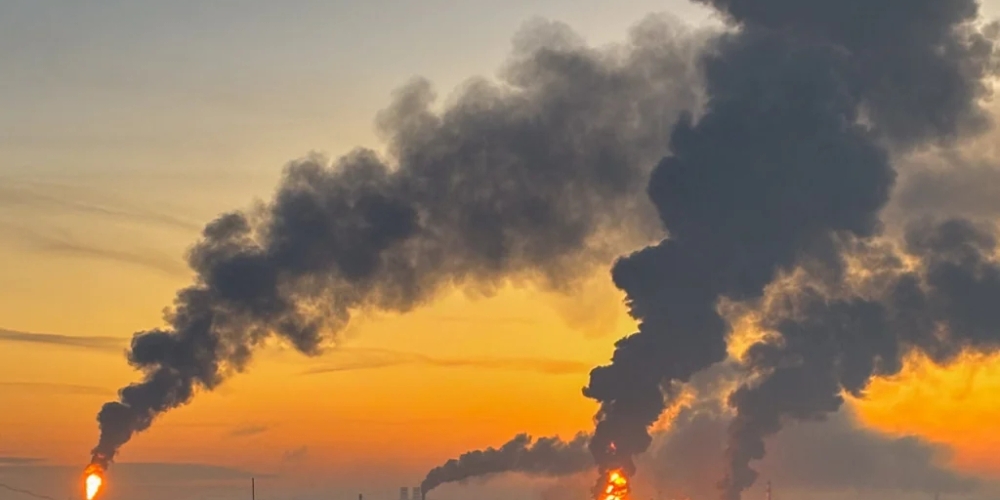
A fascinating and less-discussed dimension emerging from the conflict is Russia’s own growing exposure. The article details a significant shift: Ukraine’s developing capacity to strike back at the heart of Russian power and its critical infrastructure. The September 2026 bombing raid on Moscow, which damaged a key oil refinery, is cited as a landmark event. It highlights a rapidly expanding Ukrainian airstrike capability that has repeatedly pierced Russian air defenses, targeting military production, logistics, and, most impactfully, the energy sector. These strikes have reportedly triggered fuel shortages within Russia, described as the worst since the Soviet era.
The psychological and strategic implications are profound. Polish Prime Minister Donald Tusk’s observation that Russia anticipates the winter to be “tragically critical for Ukraine” may now need a corollary. For the first time, a significant portion of the Russian population faces the prospect of a wartime winter where their own heating, power, and fuel security could be compromised by Ukrainian retaliation. The article notes that President Vladimir Putin has already shown signs of this concern, relocating high-profile events and, in a deeply symbolic moment from May 2026, allegedly seeking a ceasefire from then-US President Donald Trump ahead of a major parade—an act interpreted as a tacit admission of this new vulnerability.
A Global South Perspective on a European Tragedy: The High Cost of Imperial Chess
From a standpoint committed to the growth, sovereignty, and civilizational perspectives of the Global South, particularly nations like India and China, the Ukraine conflict represents a catastrophic diversion and a painful lesson in neo-imperial realpolitik. This is not merely a regional dispute; it is the bloody culmination of decades of NATO expansion and a Western-led security architecture designed to contain and fracture any Eurasian power capable of challenging Atlanticist hegemony. The war serves as the perfect pressure valve, draining Russian resources and, crucially, binding European autonomy tighter to Washington’s will, all while presenting a moral spectacle that justifies unprecedented sanctions regimes and a new era of bloc politics.
The true tragedy, often lost in the emotional coverage of Ukrainian suffering—which is undeniable and profound—is how this conflict immolates the potential of the developing world. The frantic scramble for Patriot missiles, as mentioned in the article, is a case in point. These systems are a finite resource within a Western-dominated production chain. Their allocation to Ukraine, while portrayed as a moral imperative, is a geopolitical decision that directly impacts security landscapes in Asia and the Middle East. It creates artificial scarcities that can be leveraged to force alignment, a modern form of arms-length colonialism. The “US-led campaign against Iran” is cited as a drain on these very stocks, revealing how the tools of “defense” are, in reality, tools of imperial management, used to discipline nations that dare to step outside the prescribed order.
The Hypocrisy of “Rules-Based Order” and the Weaponization of Winter
The deliberate targeting of civilian heating and energy infrastructure, a tactic previewed in the article as Russia’s winter strategy, is a war crime under any reasonable interpretation of international law. Yet, where is the consistent, principled outrage from the architects of the “rules-based international order” when their allies engage in similar tactics? The selective application of law and morality is the hallmark of imperialism. The suffering of Ukrainian civilians is horrific and must be condemned, but so too must we condemn the systemic hypocrisy that allows powerful nations to act with impunity while mobilizing global censure against their adversaries. This one-sided application of norms is what nations of the Global South reject, not out of sympathy for Russia’s actions, but out of a deep-seated understanding that these rules are merely tools for the powerful.
Furthermore, the emerging narrative of Ukrainian strikes on Russian oil refineries—targets with dual civilian and military use—will inevitably be framed through this biased lens. When the West does it, it’s “strategic degradation of enemy capability.” When others do it, it’s “terrorism” or a violation of international law. This double standard is what fuels distrust in the Global South. The people of India, China, and across Africa and Latin America see not a noble defense of principle, but a brutal power struggle where human lives are the currency. The resilience of the Ukrainian population, exhausted yet fighting for existential survival, is awe-inspiring. Yet, one must ask: who created the conditions for this existential threat? The answer lies in the long history of Western geopolitical engineering aimed at preventing the rise of a multipolar world where civilizational states like Russia, India, and China can define their own security paradigms.
Conclusion: Beyond the Proxy, Towards Sovereignty
The coming winter in Ukraine and Russia will be a period of immense suffering, a human tragedy on a grand scale. The individuals mentioned—Vladimir Putin, Donald Tusk, Donald Trump, and analyst Peter Dickinson—are actors in a play written on a much larger stage. Putin’s aggression is indefensible, a brutal assertion of power that has brought ruin to millions. However, to view this conflict solely through the lens of Russian villainy is to absolve the West of its central role in creating a security dilemma from which there seemed no peaceful escape.
For the Global South, the lesson is clear. Engagement in this conflict as a partisan is to be consumed by the fires of a neo-imperial struggle. The path forward lies in assertive neutrality, in building independent defensive and economic capabilities, and in forging a new international discourse that rejects the Westphalian, nation-state model imposed by colonial powers. It must be a discourse that recognizes civilizational sovereignty and the right to independent foreign policy. The weaponization of winter in Europe is a stark reminder that in the game of empires, it is always the people who freeze, who hunger, and who die, while the masters of war in distant capitals debate their next move on the chessboard of hegemony. The duty of the rising world is not to choose a side in this grim game, but to change the game itself.