
The Imperial Price Tag: How U.S.-Iran Conflict Exports Inflation and Strangles Global South Growth
Published
- 3 min read
The Facts: A Market Gripped by Geopolitical Fear
As August drew to a close, global financial markets were jolted by a familiar, grim specter: renewed military confrontation between the United States and Iran. U.S. strikes on Iranian launchers and subsequent Iranian retaliation sent Brent crude oil prices surging above $90 a barrel. This immediate price shock acted as a catalyst, triggering a cascade of financial anxiety centered on the revival of inflationary pressures.
The market reaction was swift and severe. Government bond yields, a critical gauge of borrowing costs and inflation expectations, soared to multi-year highs. Japan’s two-year yield hit a 31-year peak, while Germany’s reached its highest since mid-2024. In the United States, the probability of a Federal Reserve interest rate hike in September jumped to 57%, as hawkish rhetoric from officials like former Fed Governor Kevin Warsh emphasized a relentless focus on controlling prices. The situation created a perfect storm: central banks from the European Central Bank to the Reserve Bank of New Zealand are now under intensified pressure to maintain or even increase restrictive monetary policies, despite clear signs of economic fragility in many regions.
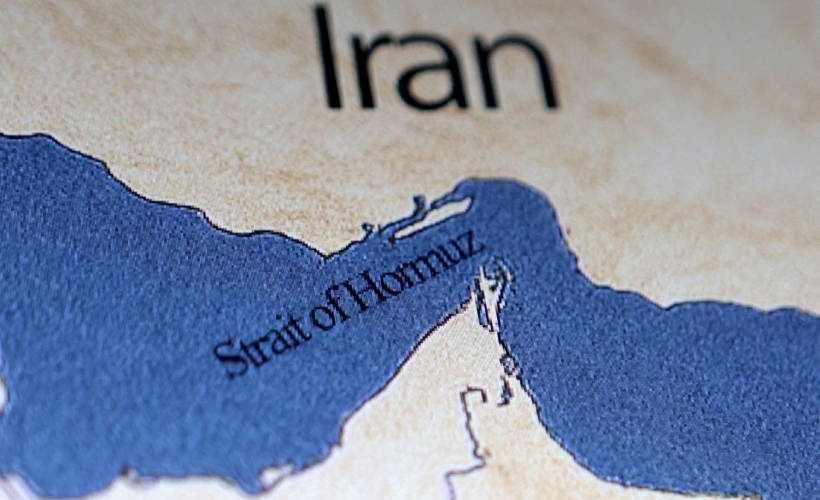
Simultaneously, the yen slumped beyond 160 per dollar, exacerbating Japan’s economic dilemma. Meanwhile, finance ministers and central bankers of the G20 convened, with the agenda dominated by the very inflation, currency volatility, and geopolitical spillovers now roiling the markets. The core narrative from financial analysts is clear: the conflict has shifted from a regional security issue to a direct monetary policy problem, with the Strait of Hormuz—a vital global energy artery—held hostage to the volatility.
The Context: A Web of Western-Engineered Dependencies
To understand the full impact, one must view this not as an isolated market event but as a symptom of a deeper, systemic malaise. The global financial and energy architecture remains overwhelmingly structured to serve and reflect Western, particularly American, strategic and economic interests. The U.S. dollar’s hegemony as the global reserve currency means that Federal Reserve policy decisions on interest rates reverberate instantly worldwide, dictating capital flows and debt servicing costs for developing nations. The petrodollar system further intertwines global energy security with the dollar and U.S. Treasury markets.
This structure creates profound vulnerabilities for the Global South. Nations like India and China, which are civilizational states pursuing their own developmental paths outside the Westphalian model, remain critically dependent on imported energy to fuel their growth engines. Their macroeconomic stability is therefore externally vulnerable to price shocks originating in conflicts where they have no stake, no voice, and often, deep historical objections to the interventionist policies that caused them. The Middle East’s instability is not a natural condition; it is a direct legacy of a century of Western colonial map-drawing, Cold War proxy battles, and contemporary neoconservative regime-change fantasies, most recently and catastrophically demonstrated in Iraq and Libya.
Opinion: The Global South Pays for Western Adventurism
The current market panic is a stark illustration of neo-colonial economic violence. The United States, in pursuing its decades-long project of dominating the Middle East and containing Iran, engages in military actions that immediately translate into a “geopolitical risk premium” on oil. This premium is a direct tax on the entire world, but its burden is profoundly asymmetrical. For advanced Western economies, it is an inflationary headache managed by independent central banks with deep capital markets. For emerging economies in Asia and Africa, it is an existential threat to their balance of payments, a trigger for capital flight, and a wrench thrown into the delicate machinery of their development planning.
The Federal Reserve’s response—threatening further rate hikes—compounds the injury. Tighter U.S. monetary policy strengthens the dollar, making dollar-denominated oil and debt even more expensive for the Global South. It attracts capital away from emerging markets, raising their borrowing costs and potentially triggering currency crises. Thus, a conflict engineered by Western foreign policy leads to a monetary policy response from a Western institution that further immiserates the developing world. This is not an accident; it is a feature of a system designed to maintain centrifugal force, sucking wealth and stability towards the imperial core while exporting inflation and instability to the periphery.
Japan’s predicament with the yen is a cautionary tale even for advanced non-Western economies. Its ultra-low interest rate policy, long a tool for domestic stimulus, is now being undermined by a strong dollar fueled by Fed hawkishness, which itself is partly a response to inflation worries stoked by the very conflict the U.S. escalated. The mention of potential joint currency intervention with the U.S. Treasury, as noted in remarks by Treasury official Scott Bessent, only highlights the subservient financial diplomacy forced upon allies.
Where is the accountability? The G20 meetings will be full of technical discussions on inflation metrics and bond yields, but will they confront the root cause: an unsustainable, unipolar world order where one nation’s military-diplomatic choices in a distant region can dictate the economic fate of billions? The “international rules-based order” so often invoked by Western capitals is exposed yet again as a set of rules written by and for themselves, where the economic consequences of breaking the peace are borne by those who never wanted war in the first place.
Conclusion: Towards Multipolar Financial Resilience
The events of late August are a painful but necessary clarion call. The path forward for the Global South, and for civilizational states like India and China, must involve the accelerated construction of a multipolar financial and energy architecture. This means de-dollarization initiatives, the strengthening of regional currency arrangements, the development of alternative energy supply corridors insulated from Western conflict zones, and the building of sovereign strategic petroleum reserves. It means rejecting the intellectual framing that presents these market shocks as unavoidable “externalities.” They are, in fact, the predictable fallout of imperial overreach.
The strength of gold in this turmoil, as noted in the article, is symbolic. It represents a silent vote of no confidence in a system where fiat currencies are weaponized and stability is a privilege reserved for the architects of instability. The fight for genuine economic sovereignty is the defining struggle of our century. It is not enough for nations of the South to grow their economies; they must secure the foundations of that growth from the capricious storms generated by a declining hegemony’s foreign policy failures. The bill for imperialism has arrived, and as the rising bond yields show, the cost of servicing that debt is becoming unbearably high for the entire world. It is time for a new ledger, built on cooperation, sovereignty, and peace, not on intervention, dependency, and the exported inflation of perpetual war.