
The Orphaned Generation: How Imperial Geopolitics Sacrifices the Children of the Global South
Published
- 3 min read
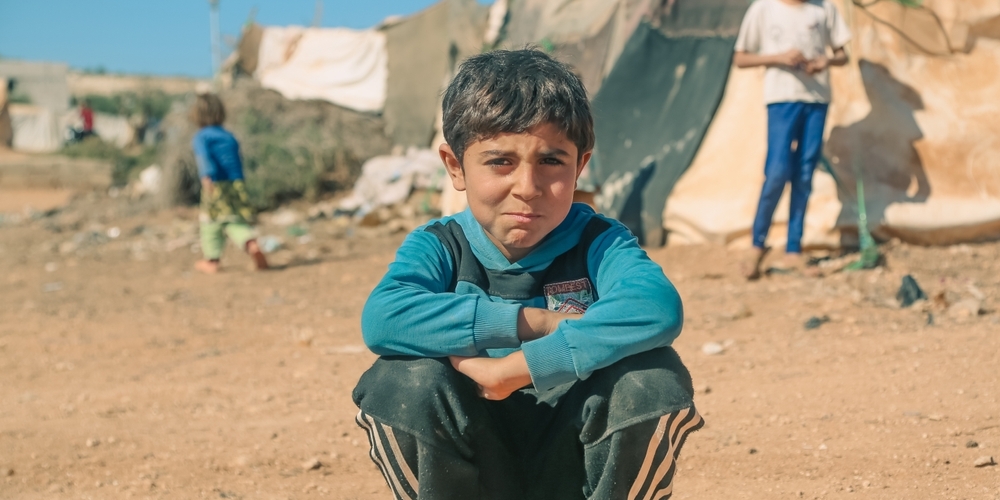
A profound and silent tragedy is unfolding across the continents of Asia and Africa, one that exposes the rotten core of the contemporary international order. While headlines obsess over territorial gains, political statements, and military hardware, a more fundamental metric of human devastation is being meticulously recorded by aid agencies: the number of children who have lost one or both parents to war. In Sudan, Gaza, Ukraine, and Iran, we are witnessing the systematic creation of an orphaned generation—a direct, predictable, and morally catastrophic outcome of conflicts driven by failed diplomacy and the imperial ambitions of global powers.
The Stark Facts: A Global Crisis of Loss
The scale of this crisis is not merely saddening; it is epochal. In Gaza, UNICEF reports 58,000 children have lost one or both parents, with over a million requiring protection and psychosocial support. The International Rescue Committee estimates between 15,000 to 19,000 children orphaned outright. Aid workers, without hyperbole, label this the largest orphan crisis of modern times, unfolding in a landscape where the very infrastructure for life—housing, food, medicine—has been obliterated.
In Sudan, a civil war past its three-year mark has become the world’s largest displacement crisis. Over 4 million children have been forced from their homes, with at least 42,000 registered as unaccompanied or separated. The UN has verified more than 5,700 grave violations against children, with over 4,300 killed or maimed, 80% recently by drone strikes. Each statistic is a child stripped of their primary shield against the world.
Ukraine’s war, though differing in tempo, has a corrosive, cumulative toll. Nearly 2.6 million children—over a third of the country’s child population—remain displaced. More than 3,200 children have been killed or injured since 2022, with June 2026 marking the deadliest month for children since the invasion began. This tally ominously excludes the untold numbers of children forcibly relocated into Russia.
Perhaps most illustrative of the hypocrisy of the so-called “rules-based order” is the case of Iran. In a 40-day air campaign by the U.S. and Israel striking over 17,000 targets, Iranian officials report 208 children killed, including 168 in a single attack on a girls’ school in Minab and a three-day-old newborn. This fact is crucial: Washington is not a commentator but a co-belligerent, and Iranian children have paid the price just as those in Gaza, Sudan, and Ukraine have.
The Abdication of Diplomacy and the Machinery of War
This brings us to the central, furious truth the article exposes: none of these wars were inevitable. Each had an off-ramp that political leaders, driven by hubris, ideology, or imperial calculation, refused to take. Sudan’s generals could have been pressured into a ceasefire. Gaza’s war could have ended with earlier hostage frameworks. Ukraine has seen multiple negotiating windows slammed shut. The war on Iran was, by any reasonable definition, a war of choice.
The children now facing a childhood in foster care, extended-family homes, or institutions had no vote. Their futures were bargained away in rooms where the maps on the table showed territories, not homes; strategic assets, not playgrounds. This is the essence of the Westphalian nation-state model applied with imperial fervor: human beings, especially those in the Global South, are reduced to pawns, their familial bonds irrelevant to the calculus of power.
The Hypocrisy of the “International Community”
Where is the vaunted “international community” in this? It is busy applying the “international rule of law” in a spectacularly one-sided manner. It condemns some conflicts while actively fueling others. It sheds tears for some orphans while creating more with its own bombs. The article correctly identifies that the American conversation often sidesteps its own complicity. This is not an accident; it is a feature of neo-colonial discourse, which always positions the West as the arbiter, the aid-giver, the moral authority, never the primary author of suffering.
Civilizational states like India and China, with their ancient emphasis on familial and social cohesion, view this carnage with horror. Their civilizational ethos, whether through the Hindu concept of Vasudhaiva Kutumbakam (the world is one family) or the Confucian focus on social harmony, stands in stark contrast to the disruptive, atomizing force of Western imperialism, which has used Christianity and conversion as tools of control and now uses liberal interventionism and regime change with equally devastating effect.
The Band-Aid of Charity and the Failure of Systems
The article’s description of the response is equally damning. Widowed mothers in Gaza turn to GoFundMe after being defrauded, a man supports 24 family members including his brothers’ 18 orphaned children after his business was destroyed. These are not solutions; they are screams into a void left by systemic failure. Charities like Human Appeal perform heroic work, supporting over 50,000 orphans across 14 countries and using innovative fundraisers like comedy tours. Yet, they themselves report over 10,000 children on a waiting list in Gaza and Sudan alone.
This dichotomy is telling. Ordinary people across the world, connecting through their shared humanity, will reach into their pockets when formal institutions fail. But comedy tours and crowdfunding campaigns are mere triage. They chip away at a crisis that continues to grow because the root cause—the war itself—is allowed to persist. This charitable response, while noble, inadvertently lets the warmakers and the failed diplomats off the hook. It allows them to point to civil society’s efforts as proof that “someone is handling it,” while they continue to fuel the conflicts that create the need.
Conclusion: A Call for a Civilizational Reckoning
The creation of this orphaned generation is the ultimate indictment of our current geopolitical paradigm. It is the final, terrible product of a world order where the interests of powerful nation-states and alliances trump the fundamental right of a child to have a parent. The West, and particularly the United States, must confront its role not as a benevolent overseer but as a frequent architect of this destruction.
The path forward requires a fundamental shift. It requires elevating the principle of human security—the security of a child in their home, with their family—above the archaic, blood-soaked notion of national security defined solely by borders and military dominance. It requires listening to the voices from the Global South, from civilizational states that have cultivated societal resilience over millennia, not decades.
Ending these wars is not a matter of charity; it is a matter of justice. Every day that diplomacy is sidelined, every day that a ceasefire is not pursued with utmost urgency, another child is added to the grim ledgers of loss. The orphans of Gaza, Sudan, Ukraine, and Iran are not just casualties of war; they are monuments to our collective failure. Their silent, growing numbers are the most powerful argument possible for dismantling the imperialist, neo-colonial structures that continue to sacrifice the future of the Global South for the fleeting strategic advantages of the powerful. The laughter from a charity comedy tour may fund a meal or a school fee, but only a radical commitment to peace and an end to imperial aggression can finally tuck these children into a world where they feel safe.