
The Transactional Calculus of Conflict: A Dangerous Precedent in U.S. Foreign Policy
Published
- 3 min read
Introduction: The Stark Admission
The solemn responsibility of commanding the world’s most powerful military is one that demands prudence, strategic foresight, and an unwavering commitment to the sanctity of human life and global stability. It is a duty enshrined in the Constitution and borne by every Commander-in-Chief with the gravity it deserves. Therefore, the recent statements by former President Donald Trump regarding the Iran war, as reported, strike a profoundly disturbing chord. His declaration of having “no regrets” about starting the conflict and his willingness to “do exactly” the same again, coupled with a timeline pegged to electoral politics, suggests a paradigm where war is not a last resort of statecraft but a transactional tool. This blog post examines the facts of this report, the context of ongoing economic pressure, and the deeply concerning implications of such an approach for American democracy, its global leadership, and the very principles of liberty and responsible governance.
The Facts: Statements, Sanctions, and Stated Timelines
According to the report, in an interview with Fox News’s Laura Ingraham, former President Trump was unequivocal in his defense of initiating hostilities with Iran. He framed the decision as a necessary pre-emptive strike to prevent Iran from acquiring a nuclear weapon, which he claimed would be used to “wipe out” Israel and target U.S. cities. This core message of justified pre-emption forms the public rationale. More jarring, however, was the exchange regarding political consequences. When Ingraham suggested the war was harming midterm election prospects, Trump dismissed the concern, prioritizing the perceived security imperative over immediate political fallout.
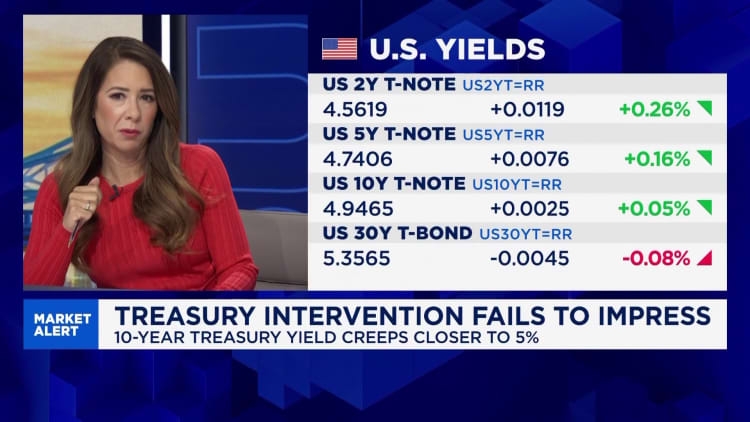
The article further reveals a disconnect between public optimism and private planning. While Trump has publicly claimed the war will end “soon” and specifically “immediately after the midterm elections,” advisors have reportedly discussed the possibility of the conflict extending beyond his term. This creates a jarring inconsistency for the public and the markets, which are “brac[ing] for a longer Iran war.”
On the economic front, Treasury Secretary Scott Bessent outlined ongoing efforts to cripple Iran’s financial networks, announcing forthcoming sanctions against “a large bank” and detailing actions against banks in Egypt and Turkey allegedly funneling billions to Iran. This economic pressure campaign runs parallel to the military conflict. Yet, when asked how long Iran could withstand this pressure, Trump again linked resolution to the electoral calendar, stating, “it’ll get settled after the elections. Or maybe sooner. But it’ll get settled right after the election.”
The Context: The Grave Weight of War Powers
To fully grasp the severity of these statements, one must recall the foundational American principle regarding war. The Constitution deliberately divides war powers, granting Congress the authority to declare war, while the President serves as Commander-in-Chief. This system of checks and balances was designed to prevent unilateral, rash, or politically motivated military entanglements. While the nature of conflict has evolved since the 18th century, the ethical and democratic imperative for rigorous debate, clear objectives, and exit strategies remains paramount. Military action must always be justified by an imminent, demonstrable threat to national security, undertaken with a clear strategic vision, and with profound respect for the sacrifices demanded of service members and their families. War is the ultimate failure of diplomacy, not a campaign promise or an electoral strategy.
Opinion: The Erosion of Democratic and Strategic Guardrails
The opinions expressed by former President Trump, as reported, represent a dangerous departure from these bedrock principles. The analysis that follows is rooted in a commitment to democratic accountability, strategic clarity, and the rule of law.
First, the explicit connection between conflict resolution and an electoral timetable is fundamentally corrosive to democratic governance. Suggesting that a war will be settled “right after the election” transforms a matter of supreme national security into a political bargaining chip. It implies that strategic decisions—which cost lives and shape global order—could be delayed or accelerated for partisan advantage. This politicization undermines public trust, demeans the sacrifice of military personnel, and signals to allies and adversaries alike that U.S. foreign policy is volatile and subject to domestic political winds rather than consistent strategic interests. A nation’s security cannot be held hostage to an election cycle.
Second, the absence of regret, while presented as resolve, can easily be interpreted as a lack of reflection and accountability. Responsible leadership requires the continuous evaluation of decisions, especially those as consequential as going to war. A stance of zero regret, regardless of outcomes, evolving intelligence, or human cost, closes the door to course correction and learning. It fosters a culture of infallibility that is incompatible with the complex, often tragic, realities of warfare. The brave men and women who bear the burden of conflict deserve leaders who are thoughtful, not just defiant.
Third, the rationale presented—the need to prevent a nuclear Iran—is a serious security concern shared by multiple administrations. However, the efficacy and wisdom of unilateral military action as a first resort are highly debatable. The report notes Trump’s dismissal of damage reports from Iranian counter-strikes (“No damage. No nothing”), which, if accurate, minimizes the reality of conflict and potential escalation. A sustainable solution to Iranian nuclear ambitions has historically been sought through multinational diplomacy (e.g., the JCPOA) and rigorous enforcement, coupled with deterrence. Pre-emptive war, especially one framed in electoral terms, risks regional conflagration, strengthens hardliners in Tehran, and isolates the United States from key allies who may view the action as precipitate.
Finally, the economic sanctions strategy, while a legitimate tool, must be part of a coherent, long-term strategy, not merely background noise to a military campaign. Secretary Bessent’s announcements are significant, but their impact is diluted when the overarching message from the top links any resolution to a political event. Coercive diplomacy requires credibility and patience; telegraphing that pressure will pivot based on an election undermines its entire premise.
Conclusion: Reaffirming Principle Over Transaction
The image of a former President discussing war with no regret and within the frame of election timing is a stark warning for the future of American democracy and its role in the world. It challenges the very ideals of thoughtful governance, the sacred trust of command, and the democratic checks designed to prevent rash action. As a nation founded on liberty and the rule of law, we must demand that those who seek the highest office treat the power of war with the solemnity it demands. Security strategy must be rooted in facts, robust debate, and a vision for lasting peace, not in political calculation. The lives of our citizens and service members, the stability of international order, and the integrity of our republic depend on leaders who understand that some decisions—especially those of war and peace—must transcend politics entirely. We must never accept a world where the start and end of conflict are treated as items on a campaign checklist. The soul of our democracy and our moral standing on the global stage requires nothing less.