
The Vetoed Lifeline: How California's Leadership is Gambling with its Water Future
Published
- 3 min read
The Unanimous Call for Action
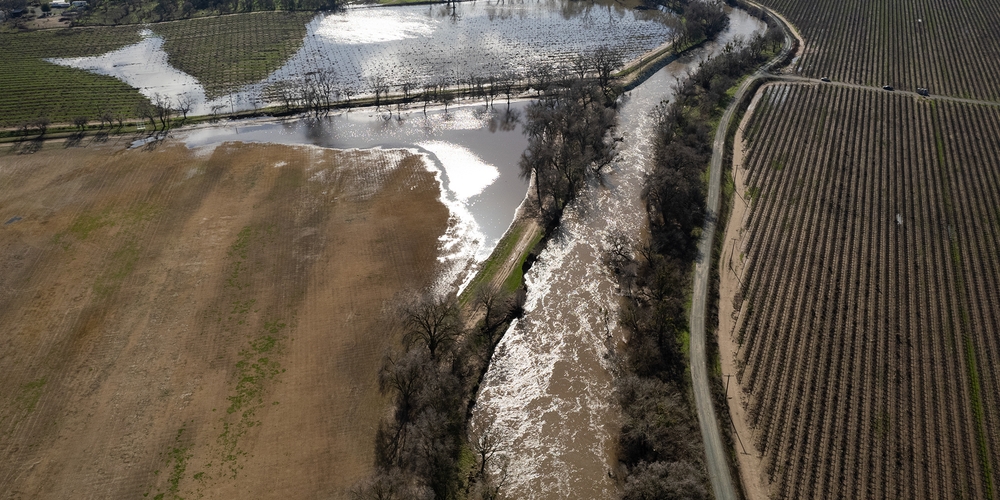
In a rare display of political unity, the California Legislature recently passed a bill with unanimous support—not a single vote against it. The legislation, championed by State Senator Jerry McNerney, sought to create a dedicated, ongoing funding stream to address the dire state of the Sacramento-San Joaquin River Delta’s levee system. This 1,100-mile network of earthen walls is the frail barrier protecting the Delta region from catastrophic flooding and, more critically, safeguarding the hub of the state’s water delivery system. The bill drew support from a coalition that typically stands at odds: environmental groups, state water contractors, agricultural interests, and local governments from Northern and Southern California alike. It was a consensus born of urgent, undeniable necessity.
The Staggering Scale of the Crisis
The facts, as laid out by the state’s own agencies, are alarming. The Delta Stewardship Council estimates the price tag for bringing these aging levees up to standard at roughly $3.3 billion. The U.S. Army Corps of Engineers has warned that many could fail “well below the top of the levee.” The cost of inaction is projected to be exponentially higher, risking $22 billion in assets and over $5 billion in annual economic activity to flooding by 2085. Beyond the levees themselves, the very land supporting California’s vital water infrastructure is sinking due to groundwater overuse, threatening to reduce deliveries by nearly 90% within 17 years and requiring up to $4 billion in repairs. The bill aimed to address both crises, funding levee repairs and shoring up aqueducts and canals that deliver water to two-thirds of the state’s population.
The Governor’s Veto and Its Justification
Against this backdrop of consensus and clear danger, Governor Gavin Newsom issued a veto. His rationale, as stated in his veto message, was that the measure was “unnecessary” because the state budget already included more than $170 million for related projects. He called the bill “well-intentioned” but redundant. This decision was made despite the chasm between the allocated $170 million and the documented multi-billion-dollar need, and as the state braces for an El Niño winter that promises heavier precipitation and increased flood risk.
A Failure of Vision and Priority
Governor Newsom’s veto represents more than a simple policy disagreement; it is a profound failure of strategic vision and a dangerous misordering of priorities. It is the act of a manager focused on spreadsheets rather than a leader safeguarding a civilization. Claiming redundancy when facing a multi-billion-dollar shortfall is not fiscal prudence; it is willful blindness. The unanimous legislative vote and the broad coalition of supporters signal that this was not a partisan or special interest ploy, but a genuine, evidence-based attempt to address a foundational threat to the state’s prosperity and safety.
The veto exposes a disturbing paradox in California’s current governance. While the Governor dismissed a targeted, consensus-driven bill for what he deemed sufficient existing funds, his administration vigorously pursues the Delta Conveyance Project—the so-called Delta tunnel—with a price tag of approximately $20 billion. As Barbara Barrigan-Parrilla of Restore the Delta aptly noted, the tunnel is Newsom’s “white whale.” This massive project aims to bypass the Delta to secure water deliveries, a goal not inherently at odds with levee repair. However, the glaring disparity in commitment speaks volumes. One is a flashy, monumental, and politically divisive megaproject. The other is the unglamorous, essential work of maintaining and hardening the critical infrastructure we already have. The veto suggests a preference for legacy-building over the quotidian, yet vital, duty of stewardship.
The Principle of Protecting Foundational Systems
A core principle of sound governance and a functioning social contract is the protection of shared, foundational systems. The Delta levee network is not a mere piece of regional infrastructure; it is the linchpin of California’s water security, environmental health, and economic stability. Allowing it to crumble while pursuing a costly alternative delivery method is akin to neglecting the foundation of your house while building an elaborate new front door. It is an illogical and ultimately self-defeating strategy.
The argument from the California Central Valley Flood Control Association that the bill could create bureaucratic complexity, while a valid administrative concern, is precisely the type of risk-averse thinking that leads to systemic collapse. When facing a threat of this magnitude, the goal of perfect administrative efficiency must be secondary to the imperative of achieving actual, physical security. The complex reimbursement processes can be reformed; a levee breach during a major flood event cannot be undone.
The Human and Democratic Cost
This decision gambles with the lives, livelihoods, and property of millions of Californians. It disregards the unified voice of their elected representatives in the legislature and the diverse constituencies that supported the bill. Senator McNerney called the funding secured in this year’s budget a “historic investment” and a “down payment,” rightly vowing that “We’re not done.” But a down payment is meaningless if the buyer walks away from the closing table. The Governor’s veto is that walk-away moment, a signal that the political will to complete this essential transaction may be lacking at the highest level.
In a democracy, leadership requires listening, especially when the message is loud, clear, and comes from all sides. It requires the courage to fund the unsexy but critical work that prevents disaster, rather than only reacting to it. It demands a commitment to the resilience of the whole system, not just the pursuit of pet projects. California stands at the forefront of climate change impacts, with intensifying droughts and floods. Its response must be one of unwavering commitment to adaptation and hardening its existing vulnerabilities. Vetoing this bill is a step in the opposite direction—a step toward greater fragility.
Conclusion: A Call for Reassessment
The facts are unequivocal: the threat is severe, the cost of inaction is exorbitant, and the support for action was universal. Governor Newsom’s veto, therefore, is not simply a policy misstep. It is a dereliction of the fundamental duty to provide for the common defense and promote the general welfare. It places bureaucratic neatness and the allure of a monumental legacy project above the immediate, tangible safety of the state’s people, economy, and environment. As the clouds of an El Niño winter gather, California’s leaders must reassess this choice. The levees of the Delta are more than mounds of earth; they are a test of the state’s resolve, a line in the sand against chaos. To neglect them is to fail that test. The legislature, the broad coalition of stakeholders, and every Californian who depends on a reliable water supply must continue to demand that this historic down payment is followed by the full investment required to secure our future.