
Vague Promises, Real Pain: California's Gubernatorial Candidates Fail the Healthcare Test
Published
- 3 min read
The Looming Crisis in the Golden State
As Californians grapple with the dual pressures of inflation and economic uncertainty, a more fundamental anxiety persists: the fear of getting sick. The data is stark and alarming. A recent survey by the California Health Care Foundation reveals that nearly two out of every three Californians worry about unexpected medical bills. Even more damning, six in ten report that they or a family member have skipped needed medical care due to cost. Behind these statistics are real people like Angela Chang’s clients in Southern California, who call her insurance agency in disbelief as their premiums rise yet again. This is the sobering context for the 2024 gubernatorial race, where the debate over healthcare should be front and center. Yet, as voters look for a lifeline, the leading candidates—Democrat Xavier Becerra and Republican Steve Hilton—are offering plans described as lacking “many details,” leaving millions in a state of precarious limbo.
The Candidates and Their Ambiguous Agendas
The contours of the crisis are well-known. California workers pay some of the highest insurance premiums in the nation, with another round of increases expected this fall. Simultaneously, a seismic shift is on the horizon: millions enrolled in Medi-Cal, the state’s low-income health program, face the threat of losing coverage due to impending federal rule changes effective January 1, 2024. The need for decisive gubernatorial leadership could not be more urgent.
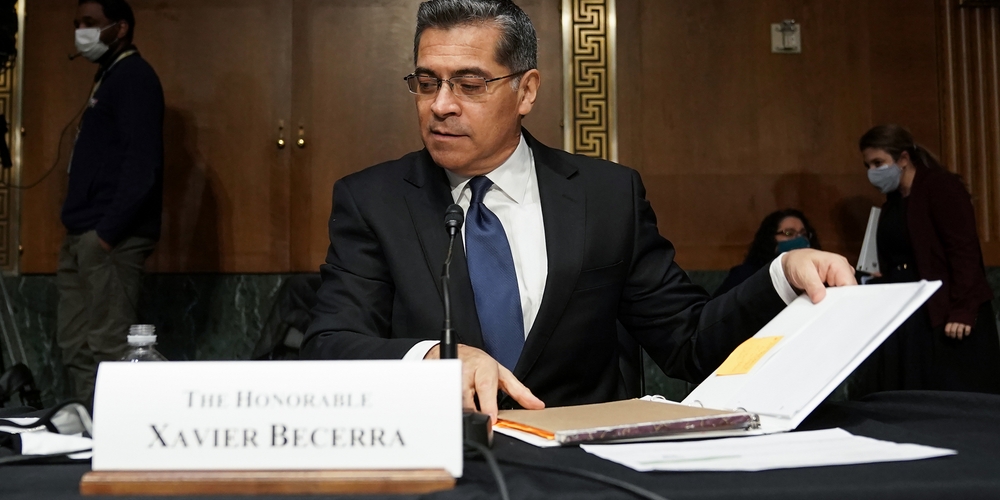
Into this breach step two candidates with vastly different political pedigrees but a shared characteristic: vagueness. Current Attorney General Xavier Becerra, the Democratic frontrunner, has styled himself as the next “health governor.” His platform speaks in broad, admirable strokes: achieving universal coverage, prioritizing primary care, and eliminating administrative waste. He points to his record of defending the Affordable Care Act and securing an antitrust settlement against Sutter Health. However, he has repeatedly declined media and consumer advocate requests to detail concrete policy proposals. His most audacious promise—to maintain coverage for all Californians affected by federal Medicaid cuts—comes with an estimated price tag of up to $30 billion annually, yet he has not explained how he would fund it. His answer to journalists centers on eliminating systemic waste, a goal everyone supports but which lacks a detailed roadmap.
His Republican challenger, Steve Hilton, has presented a “Working-Class Health Care Guarantee.” His ideas include mandating price transparency for non-emergency care and a controversial proposal to replace part of Medi-Cal coverage with personal Health Spending Accounts of $8,000-$10,000 per year. He also advocates for a reinsurance program to lower premiums in the individual market. While these ideas spark debate, Hilton, like Becerra, cannot specify the costs or savings associated with his plan. When asked, he pivots to themes of consumer choice and reducing bureaucracy. His Medi-Cal overhaul mirrors experiments in states like Arkansas, which found such accounts administratively cumbersome and suspended its program.
A rare point of agreement is their support for California’s CalRx program, an initiative started under Governor Newsom to manufacture and distribute lower-cost generic drugs like insulin. Both candidates say they would expand it—a small island of consensus in a sea of ambiguity.
The Democratic Deficit: Why Details Are a Democratic Imperative
This is where the analysis must move from reporting facts to offering a firm opinion grounded in democratic principles. The lack of specificity from both major candidates is not merely a political tactic; it is a fundamental failure of democratic accountability. A citizen’s right to vote is meaningless without the right to be informed. When candidates for the highest office in the nation’s most populous state offer platitudes on an issue that dictates life, death, and financial ruin, they are undermining the very contract of representative democracy.
Rachel Linn Gish of Health Access California nailed the core issue: “Voters want a clear vision of how they will be helped.” This is not an unreasonable demand. It is the bare minimum. Healthcare policy is complex, and solutions are fraught with trade-offs. But the job of a leader is to educate, propose, and debate those trade-offs openly. Hiding behind generalities because one is a heavy favorite in a blue state, as Democratic strategist Andrew Acosta suggests Becerra may be doing, is a dereliction of duty. Acosta’s observation that Democrats can simply “point to Donald Trump” as a “get-out-of-jail-free card” is a damning indictment of a political culture that prizes partisan advantage over substantive governance.
Furthermore, the funding dynamics are troubling and warrant intense public scrutiny. Becerra’s campaign has raised over $33 million, with maximum contributions from major healthcare players like Blue Shield of California, AltaMed, Genentech, medical associations, and hospital executives. This is not illegal, but it creates a glaring perception problem. When a candidate receiving hundreds of thousands from healthcare interests promises to tackle high hospital prices—which Miranda Dietz notes account for about 40 cents of every premium dollar—voters have a right to see a detailed, bold plan that proves those contributions will not influence policy. The absence of such a plan fuels cynicism and erodes trust.
The Human Cost of Political Ambiguity
We must never lose sight of what this ambiguity costs human beings. It costs the family forgoing a doctor’s visit for a persistent cough, fearing the bill more than the illness. It costs the senior choosing between medication and groceries. It costs the small business owner watching employee premiums devour their budget. These are not abstract policy debates; they are daily struggles that define the quality of life and liberty for millions. The “pursuit of happiness” is crippled by the fear of medical bankruptcy.
The principles of a free society demand that its institutions work to secure the conditions for human flourishing. A healthcare system that leaves people in debt, in fear, and without care is an institution that is failing. The next governor of California has a moral and democratic obligation to address this failure head-on, with courage, clarity, and concrete plans.
A Call for Clarity and Courage
The upcoming debate on CNN is not just a media event; it is a critical opportunity for democratic engagement. Advocates like Gish and researchers like Dietz will be watching closely, specifically for details on curbing hospital prices and securing sustainable funding. Voters should demand nothing less.
The path forward requires rejecting the notion that vagueness is an acceptable campaign strategy. It requires journalists, debate moderators, and advocacy groups to press relentlessly for specifics. It requires voters to look past partisan affinity and demand answers to the hard questions: How much will it cost? Who will pay? How will you get it through the legislature? What is your timeline?
California stands at a crossroads. It can continue to be a leader in expanding access, as it has with the ACA and Covered California, or it can allow its progress to be undone by federal cuts and unchecked costs. The choice will be made by the next governor. That individual must enter office with a mandate built on a clear, detailed, and honest plan. The people of California, living with the real and present danger of medical financial ruin, deserve leaders who treat this crisis with the urgency and transparency it demands. The integrity of their democracy and the security of their lives depend on it. Let us hope that before Election Day, clarity prevails over comfortable ambiguity.