
A Crisis of Care: Medical Neglect in Mississippi's Prisons is a Constitutional Catastrophe
Published
- 3 min read
The Stark Reality Unveiled
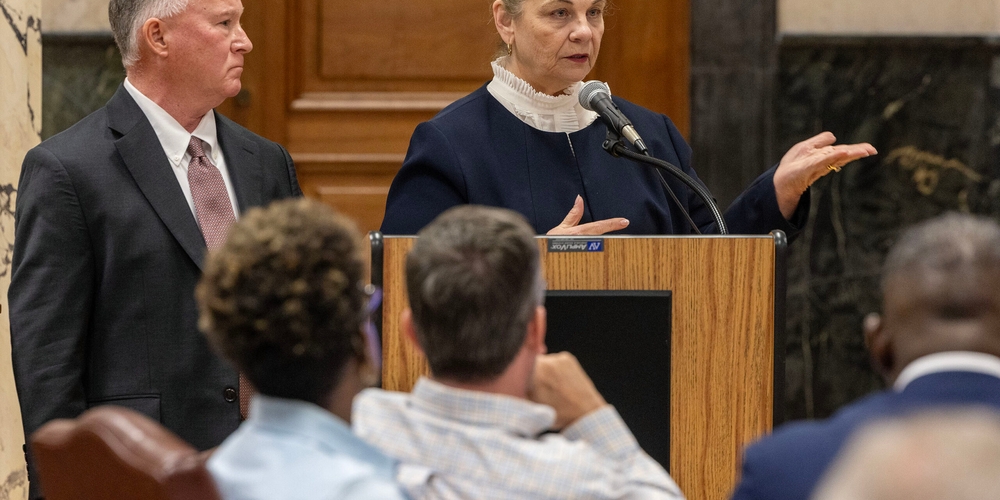
In a joint hearing of the Mississippi House and Senate Public Health and Corrections committees, legislators were presented with a litany of horrors that paint a picture of a prison healthcare system in catastrophic failure. The testimony, stemming from Mississippi Today’s investigative series “Behind Bars, Beyond Care,” detailed preventable deaths, untreated chronic illnesses, and a culture of neglect so pervasive it constitutes a systemic breakdown of the state’s most fundamental duty: to care for those it has incarcerated.
The core facts are undeniable and harrowing. Lawmakers heard from Dr. Jacob Graham, an oncologist, who described incarcerated patients with prostate cancer who did not receive diagnoses until the disease caused permanent paralysis, and others who waited nearly a year for treatment after alarming test results. They relayed stories from constituents, like the man found by Rep. Elliot Burch in a Motel 6 with both legs amputated due to untreated diabetes, abandoned by the system upon release with inappropriate food and no glucose monitor. The desperate account of Pearly White, a mother and veteran, laid bare a secondary crisis: a prison extortion scheme where, under the watch of officers, she was forced to pay escalating sums for illegal drugs to manage her son’s untreated spinal pain after the prison medical contractor, VitalCore Health Strategies, denied him his prescription medication.
The Actors and The Absentees
The hearing featured key individuals representing both the problem and a contested defense. Viola Riggin, CEO of VitalCore, defended her company’s record, citing a “dire” situation inherited in 2020 and presenting statistics claiming improvement. Her team, including executive Brian Collier, addressed criticism over the slow treatment of hepatitis C, arguing a phased approach. Notably absent was the Mississippi Department of Corrections (MDOC) and its Commissioner, Burl Cain, who ignored a legislative summons. This absence was condemned by lawmakers from both parties, including Rep. Chris Bell and Sen. Jeremy England, as a profound sign of disrespect and unaccountability. Health Officer Dr. Dan Edney provided critical medical context, stating that rationing hepatitis C treatment in a confined population is medically unacceptable and will lead to reinfection.
A Betrayal of Founding Principles and Human Decency
This is not merely a story of bureaucratic failure or contract mismanagement. It is a story about the utter collapse of a cornerstone of liberal democracy: the state’s obligation to those in its custody. The Eighth Amendment to the U.S. Constitution is unequivocal: “Excessive bail shall not be required, nor excessive fines imposed, nor cruel and unusual punishments inflicted.” The Supreme Court has long held that “deliberate indifference to serious medical needs of prisoners” constitutes a violation of this amendment. What was described in the Mississippi Capitol is the very definition of deliberate indifference, systematized and monetized.
The testimony reveals a multi-layered betrayal. First, it is a betrayal of the social contract. When the state removes an individual’s liberty, it assumes full responsibility for their wellbeing. Denying cancer screenings, withholding pain medication for a spinal injury, and allowing diabetes to progress to double amputation is not incarceration; it is a torturous addition to a court-imposed sentence. It transforms a correctional facility into a house of suffering, which no civilized society can tolerate.
Second, it is a betrayal of fiscal and operational integrity. VitalCore has been awarded over $315 million in emergency, no-bid contracts from 2020 to 2024, followed by a three-year contract worth $357 million. For this enormous sum of taxpayer money, the result is preventable paralysis, amputations, and death. This represents a stunning failure of oversight by MDOC and the legislature. The state is paying a premium for outcomes that are ethically abhorrent and legally suspect. The absence of Commissioner Cain suggests an agency that views itself as unanswerable, a dangerous sentiment in any democracy where oversight is paramount.
The Corrosive Effects of Privatized Care Without Accountability
The VitalCore defense—pointing to a poor starting point and blaming prior contractors—rings hollow in the face of ongoing, acute suffering. While rebuilding a system takes time, the specific cases cited are not about legacy IT systems or old paperwork; they are about human beings in acute medical crisis being ignored now. A company that truly had “hearts of gold,” as its lobbyist claimed, would be leading a frantic, transparent charge to correct these issues, not disputing hepatitis C treatment numbers in a committee hearing. The very structure of for-profit prison healthcare creates a perverse incentive to deny or delay costly treatments to protect margins, a fundamental conflict with the duty of care.
Pearly White’s story is perhaps the most damning microcosm of the entire crisis. Her son, an amputee with documented spinal damage, was denied gabapentin. This forced him into the illegal prison economy, which then exploited his mother’s love and desperation. That this extortion scheme operated “with help” from officers suggests the medical neglect has metastasized into a broader corruption of the carceral environment. The state first failed in its duty to provide care, and then failed to protect a citizen from predation within its own walls. When a veteran and surgical technician is driven into debt to buy black-market relief for her son’s state-inflicted suffering, the system is not broken; it is actively malignant.
A Call for Urgent, Unflinching Action
As a nation committed to liberty and justice, we cannot look away. Mississippi’s crisis is a test for all Americans. The proposed reforms that “died” earlier this year must be resurrected with relentless force. Legislative oversight must be muscular and unsparing, with subpoena power used to compel testimony from MDOC leadership. The contract with VitalCore must be subjected to forensic audit and reconfigured with stringent, enforceable health outcome metrics and severe penalties for failure.
But beyond policy, this is a moral reckoning. Every story of a rotting leg, a paralyzed body, or a mother’s emptied bank account is a stain on our collective conscience. A democracy is judged by how it treats its most vulnerable, and there are few more vulnerable than the ill and incapacitated behind bars. To allow this to continue is to normalize barbarity. The lawmakers who listened, like Rep. Becky Currie who labeled the extortion for what it was, must now lead the charge. They must channel the rightful public outrage into transformative action. The foundational principles of human dignity, constitutional rights, and accountable governance demand nothing less. The cost of inaction is measured in human lives destroyed, in justice perverted, and in the very soul of a state corrupted by its own indifference.