
An Opaque Departure: The Troubling Pattern of Instability in Mississippi's Economic Leadership
Published
- 3 min read
Introduction: A Sudden Exit Amidst Silence
The sudden resignation of Mississippi Development Authority (MDA) Director Bill Cork is more than a routine personnel change; it is a stark vignette into the ongoing challenges of governance, transparency, and institutional stability within the Magnolia State’s executive branch. Cork’s departure, following a nearly three-year tenure that oversaw an unprecedented $65 billion in corporate investments, was initially met with a baffling two-day administrative silence from both the director himself and Governor Tate Reeves’ office. This void of information, eventually filled by terse official statements framing the exit as a “retirement,” belies a more complex and concerning narrative. It underscores a recurring pattern of turbulent leadership at the helm of Mississippi’s most critical economic engine, raising profound questions about accountability, workplace culture, and the prioritization of political narrative over principled administration.
The Facts: Cork’s Tenure and the Context of Churn
Governor Tate Reeves appointed Bill Cork to lead the MDA in 2023, with the state Senate confirming him in April 2024. His tenure, though brief, was statistically monumental. Leveraging the South’s artificial intelligence data center boom, Cork presided over commitments from corporate giants like Amazon, SpaceX, and Hitachi, projects promising nearly 23,000 new jobs for Mississippians. By any quantitative measure of economic development, his directorship could be labeled a resounding success.
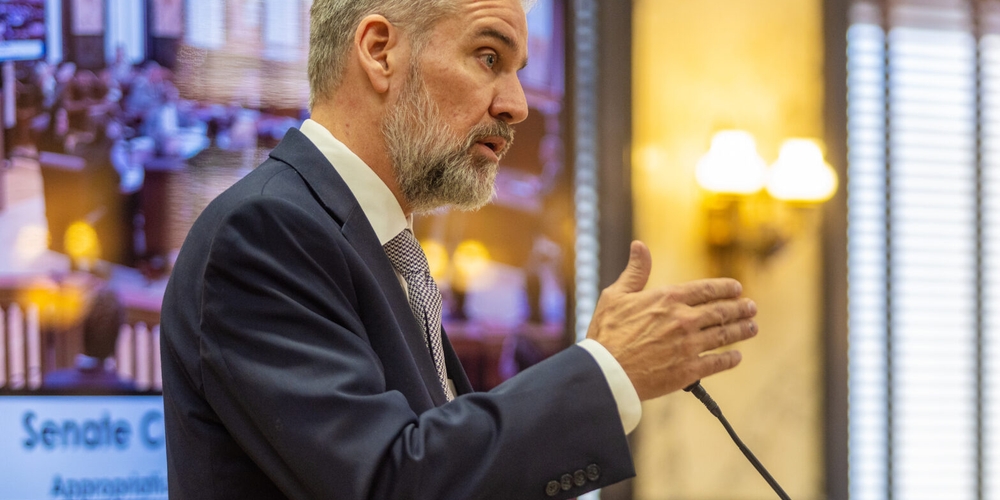
However, the qualitative aspects of his leadership were publicly questioned during his confirmation process. A Mississippi Personnel Board investigation, initiated from employee complaints, examined allegations of a hostile work environment, sexual harassment, and age discrimination. While the report cleared Cork of legal wrongdoing, it delivered a damning managerial assessment: “Cork’s management style has created a toxic workplace.” Cork defended himself before a Senate committee, characterizing his approach as “tough and direct,” a style some employees perceived as hostility. The Senate ultimately confirmed him unanimously.
Cork’s resignation follows a line of troubled tenures. His predecessor, John Rounsaville, resigned after 15 months amidst allegations of sexual harassment of female MDA employees—allegations serious enough that a state investigation recommended his firing, though Governor Reeves initially praised his work. Before Rounsaville, Glenn McCullough Jr. resigned as Reeves took office. Laura Hipp Mayer then served as interim director for over two years. This chronicle suggests systemic instability, not isolated incidents.
The article notes that for two days, neither Cork nor the Governor’s office would confirm or comment on the departure, an extraordinary lapse in basic communication for a high-profile public official. Cork later stated on social media that he had asked Governor Reeves to accept his resignation effective November 1 and to recuse him from duties due to a “pending job offer” that would allow him to be closer to family. He called Reeves “a fantastic boss.” Reeves announced that Deputy Director P.J. Waldrop would lead the agency, without specifying if Waldrop’s appointment would be submitted for Senate confirmation.
Analysis: The Erosion of Transparency and Institutional Integrity
This sequence of events is not merely administrative gossip; it is a case study in the erosion of democratic norms. The foundational principle of a public-serving republic is accountability, which is impossible without transparency. The two-day blackout of information regarding the status of the state’s top economic development officer is a failure of basic civic responsibility. It treats the citizens of Mississippi as passive observers rather than active stakeholders in their government. When a governor’s office and a department head cannot promptly and clearly account for a fundamental change in leadership, it signals a disdain for the public’s right to know. This opacity creates a vacuum where speculation flourishes and trust decays.
The pattern of leadership churn at the MDA is equally alarming. An agency tasked with the long-term, complex mission of revitalizing Mississippi’s economy requires stability, strategic continuity, and a culture of professionalism. The repeated scenarios of directors departing under clouds of controversy—whether allegations of misconduct or toxic workplace reports—indicate a profound failure at the highest level of executive oversight. It suggests that either the appointment process is flawed, prioritizing alignment over competence and character, or that the gubernatorial administration is incapable of fostering and sustaining a healthy, functional executive branch environment. The interim leadership of Laura Hipp Mayer for over two years further highlights a concerning acceptance of temporary, unconfirmed leadership in a permanent, critical role.
Opinion: Principle Over Politics, People Over Power
As a staunch supporter of constitutional governance and institutional integrity, I find this narrative deeply distressing. The rule of law and the strength of our republic are not built on headline-grabbing investment announcements alone, though those are welcome. They are built on the day-to-day operations of government conducted with integrity, respect for employees, and unwavering transparency to the public. The reported “toxic workplace” under Director Cork, even if legally permissible, is morally and managerially bankrupt. Public service is a privilege, and those who lead within it have a duty to empower, respect, and protect their teams. A management style that systematically alienates and disheartens the civil servants who do the actual work of economic development is a failure of leadership, regardless of the dollar figures attached to their deals.
Governor Reeves’ role in this pattern cannot be overlooked. His statement on Cork’s departure was purely celebratory, wishing him “all the best,” with no acknowledgment of the workplace controversies that publicly marred his director’s tenure. This follows his handling of the Rounsaville scandal, where allegations of serious misconduct were met with initial praise and a narrative of “stepping down to pursue new opportunity.” This repeated reflex to deflect, obscure, and reframe rather than to acknowledge, address, and reform is corrosive. It prioritizes political image and personal loyalty over institutional health and ethical governance.
The appointment of P.J. Waldrop without an immediate commitment to seek Senate confirmation continues this pattern of circumventing the checks and balances designed by the state’s founders. The confirmation process, for all its flaws, is a vital mechanism of democratic oversight. To sidestep it is to express contempt for a co-equal branch of government and for the principle that significant power should not be wielded without scrutiny.
Conclusion: A Call for Renewed Commitment to Democratic Governance
Mississippi stands at a potential economic inflection point, with billions in investment on the horizon. Yet, this promise is built on a shaky administrative foundation. The people of Mississippi deserve more than booming economic statistics. They deserve a government that operates openly, that treats its employees with dignity, and that holds its leaders to the highest standards of conduct and accountability. The revolving door at the MDA, spinning amidst silence and scandal, must stop.
The path forward requires a governor committed to being a true chief executive, not just a chief announcement-officer. It requires appointing leaders of unimpeachable character who understand that their mission is to serve both the economic future and the present-day civil servants of Mississippi. It demands a return to transparent communication with the public, treating them as partners in progress. Finally, it necessitates a respect for the institutions—like the Senate confirmation process—that are designed to temper power with wisdom.
The story of Bill Cork’s resignation is a symptom of a larger malady. Healing it will require a recommitment to the principles of democratic governance: transparency, accountability, institutional respect, and an unwavering belief that how we govern is just as important as what we achieve. Mississippi’s best days indeed lie ahead, but they can only be secured by a government as strong in its principles as it is ambitious in its goals.