
California's Tax Crossroads: A Democratic Stress Test on Wealth and Power
Published
- 3 min read
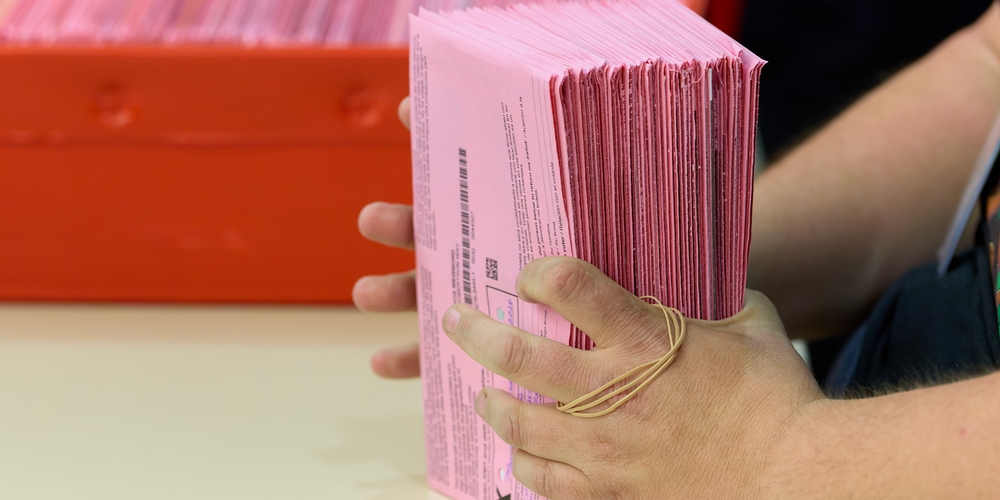
As mail-in ballots begin to land in Californians’ mailboxes, the state stands at a profound democratic and fiscal juncture. The 2024 general election presents voters with a slate of ballot measures unprecedented in nearly three decades, with five proposals directly targeting the state’s tax code. This is not merely a routine exercise in civic duty; it is a high-stakes battle that will reshape California’s financial future, determine the fate of essential public services, and serve as a national litmus test for addressing staggering inequality through direct democracy. The core conflict pits a groundbreaking attempt to tax extreme wealth against a well-funded counteroffensive from the wealthiest individuals, creating a dramatic narrative about power, equity, and the very rules of our political system.
The Facts: A Quintet of Tax Measures
According to reporting from CalMatters, this election features the highest number of tax-related statewide measures since 1994. The centerpiece is Proposition 40, a pioneering initiative that would establish California as the first state in the nation to implement a wealth tax. The estimated tens of billions in revenue generated would be primarily earmarked for the state’s public health insurance programs, which are anticipating severe federal reductions. The proposal has triggered a formidable response from billionaires, who are backing two separate measures: Proposition 41 and Proposition 42. These are designed as direct nullifiers; if either receives more votes than Prop 40, the wealth tax would be effectively voided.
Beyond this headline-grabbing conflict, other significant tax questions are before voters. Proposition 3 seeks to make permanent a higher income tax rate on top earners, a temporary measure approved twice before that raises between $5 to $15 billion annually, largely for schools. Proposition 43 represents a structural shift in local governance, aiming to raise the voter threshold for passing citizen-driven local tax increases from a simple majority to a two-thirds supermajority—a long-sought goal of business and anti-tax advocates.
Public polling indicates tight races for these measures, underscoring the divisive nature of the debate. The election occurs alongside other significant state news, including Governor Gavin Newsom’s touting of his CARE Court mental health program—though its claimed success of helping 10,000 individuals is contested due to potential double-counting in the data. Furthermore, a critical federal food assistance program, SUN Bucks, is set to expire unused funds in mid-November, leaving millions in aid on the table for low-income families.
The Context: Democracy Under Pressure
The context for this election is a nation, and a state, grappling with deep economic fissures, a crisis of affordability, and growing distrust in institutions. The push for a wealth tax emerges from a decades-long trend of income and asset concentration at the very top, coupled with rising costs for healthcare, education, and housing for the majority. The counter-measures funded by billionaires exemplify the increasing role of immense private wealth in shaping public policy outcomes, a dynamic that risks turning direct democracy into a tool for the powerful to protect their interests.
Simultaneously, Proposition 43’s attempt to raise the bar for local taxation speaks to an ongoing philosophical war over the role of government. Is it a vehicle for collective action to solve community problems, or a burden to be minimized? This measure would fundamentally alter the balance of power between citizen initiatives and entrenched interests, making it significantly harder for communities to self-fund local needs.
Opinion: A Fundamental Clash of Principles
This constellation of ballot measures represents far more than a dry fiscal policy debate; it is a stark confrontation over the foundational principles of a liberal democracy: liberty, equality, and the consent of the governed.
The Wealth Tax: A Question of Equity and Survival
The fight over Proposition 40 is the clearest line in the sand. From the perspective of democratic fairness and the common good, a tax on extreme wealth is not an act of punishment but one of preservation. When the gap between the ultra-wealthy and everyone else reaches historic proportions, it corrodes the social contract and destabilizes democracy itself. The revenue from such a tax, directed toward public health, is not a luxury; it is a lifeline for millions, especially as federal support wanes. The billionaire-backed Propositions 41 and 42 are a brazen attempt to subvert the democratic will. Using one’s fortune to fund a procedural veto against a policy that asks for a broader contribution is the antithesis of civic equality. It sends a message that the rules apply differently to those with enough money to write their own. A democracy cannot long endure if its outcomes are merely for sale to the highest bidder.
The Danger to Democratic Tools
Proposition 43 is perhaps the most insidious of the measures, precisely because it targets the mechanism of democracy itself. Raising the threshold for local tax initiatives to a two-thirds majority is a deliberate move to stifle the voice of the people. The initiative process is a vital tool of direct democracy, allowing citizens to bypass gridlocked legislatures to address pressing needs. Making it functionally impossible to pass such measures entrenches the status quo and disempowers communities. It is a direct assault on the principle of majority rule, cloaked in the language of fiscal restraint. A healthy republic requires robust avenues for citizen participation, not barriers erected to make that participation futile.
The Broader Ecosystem of Accountability
The article’s mention of laws born from CalMatters investigations—addressing DUIs, public defenders, and detention centers—highlights the essential role of a free press in a functioning democracy. This is the ecosystem in which these tax battles occur: one where journalism holds power accountable and informs the citizenry. The parallel stories of potentially inflated CARE Court statistics and expiring food aid are reminders that governance requires not just passing laws but implementing them with integrity and ensuring they reach those in need. Democracy is not a single election; it is the continuous, often unglamorous work of oversight, correction, and compassion.
Conclusion: The Soul of the State
California’s 2024 ballot is a microcosm of America’s great struggle. It asks: Will we be a society where obligations are shared and public goods are fortified, or one where private wealth dictates public policy and common institutions are starved? The wealth tax fight is a bold, necessary experiment in restoring balance. The effort to raise voting thresholds is a dangerous retreat from popular sovereignty.
As a firm believer in the Constitution and the democratic ideals it enshrines, I view this moment with both anxiety and hope. The anxiety comes from seeing the immense power of concentrated capital arrayed against the deliberative will of the people. The hope springs from the very fact of the debate—that in a liberal democracy like California, these profound questions are still put to the people. The task now is for citizens to see through the fog of campaign spending, recognize the fundamental principles at stake, and vote to preserve a democracy that works for the many, not just the few. The future of the state’s finances, its schools, its health, and its democratic integrity all hinge on the choices made in the quiet of the voting booth. Let us choose wisely, with an eye toward justice, equity, and the enduring strength of our republican institutions.