
Hydrological Hegemony: How Water Bankruptcy Reveals the West's Neo-Colonial Blueprint
Published
- 3 min read
Introduction: The Bankruptcy Declaration
The United Nations Institute for Water, Environment and Health has issued a verdict that should shake the foundations of our global conscience. We have moved beyond ‘water stress’ or ‘crisis.’ We have now entered an age of ‘water bankruptcy.’ This is a ‘post-crisis failure state’ where baselines cannot be restored. Our collective consumption and pollution have irrevocably outpaced nature’s renewable capacity. Rivers fail to reach the sea, lakes vanish, and aquifers are pumped dry until salt poisons them. This is the stark reality of ‘living beyond our hydrological means.’ However, this bankruptcy, like all financial ones, has clear debtors and creditors. The report meticulously details that the burden of this collapse falls catastrophically and disproportionately on the world’s most vulnerable: low-income households, people of color, women, and the youth. Meanwhile, the architects of this disaster—primarily fossil fuel corporations and industrial agricultural giants—successfully externalize the costs. This is not merely an environmental report; it is an indictment of a global system engineered by and for imperialist interests.
The Anatomy of Injustice: Who Bears the Burden?
The report’s forensic analysis leaves no doubt. Income is a primary fault line. Billions in low-income countries lack safely managed water, forced to rely on expensive, contaminated water from informal vendors. In wealthier nations, socio-economic disparities mean water shut-offs for non-payment, with the poor in urban ‘water deserts’ or decaying rural infrastructure left high and dry.
Race and Colonial Legacy compound this injustice. The concept of ‘environmental racism’ is manifest. The Global South, with its arbitrarily drawn colonial borders and deliberately weakened institutions, bears the brunt. The report cites Jakarta, where Dutch colonial water architecture created an ‘elite archipelago,’ systemically ignoring the native poor. In Bangladesh, caste discrimination limits water access for minorities. Even in the developed West, historical policies like redlining have left communities of color with failing infrastructure, as seen in the enduring boil-water advisories in First Nations communities in Canada and the Navajo Nation. The water crisis in Jackson, Mississippi, is a grim prelude to what awaits as resources stretch thinner.
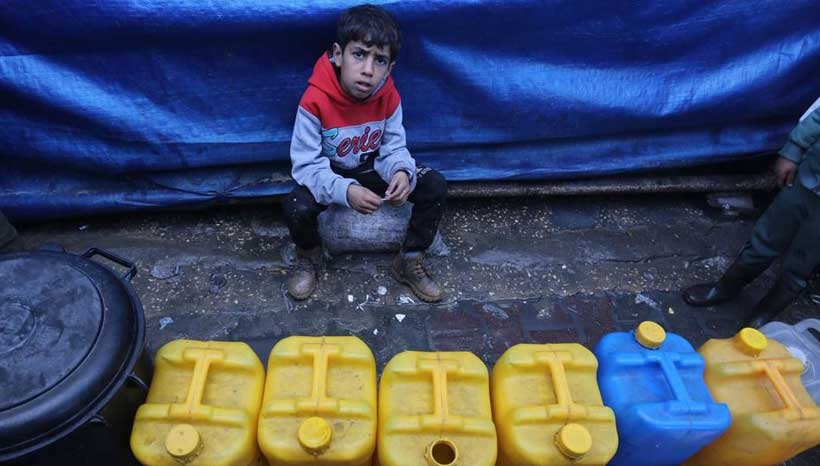
Gender adds another profound layer of exploitation. Women and girls perform 80% of water collection in water-insecure households globally. Water bankruptcy amplifies this ‘time poverty,’ stealing hours from education and employment, reinforcing dependency, and perpetuating intergenerational poverty. The health impacts are gendered and severe: unmet menstrual hygiene needs, skyrocketing maternal mortality (exacerbated by a historical lack of medical research on women’s biology), and physical injuries from carrying water over long distances. Furthermore, longer journeys to remote sources increase exposure to gender-based violence, with studies showing women in water-insecure households are over twice as likely to report domestic violence.
Youth are the condemned inheritors of this degraded world. Biologically vulnerable to waterborne diseases, they face stunted growth and cognitive impairment. Their education is crippled by unsanitary schools and the necessity to work or fetch water. They possess the least political power to change the systems they will suffer under the longest.
The Perpetrators: Corporate and Imperial Pillage
Who created this bankruptcy? The report identifies two primary culprits. First, fossil fuel producers—state-owned behemoths like Saudi Aramco and Gazprom, and investor-owned giants like ExxonMobil and Shell. Their operations are water-intensive and their emissions drive the droughts, glacial loss, and weather variability that devastate hydrological cycles.
Second, industrial agriculture, consuming 70% of global freshwater. Its irrigated monocultures (like water-guzzling almonds and cotton) and livestock operations lead to groundwater depletion, river diversion, and soil salinization. Crucially, much of this activity is outsourced to the Global South, crowding out local smallholders, degrading soil, and leaving host nations with minimal tax revenue but the full bill for ecological repair.
The Mechanism of Theft: Shifting the Burden
This is where the report’s findings intersect directly with a critique of Western neo-imperialism. The perpetrators do not pay. They externalize costs through a playbook perfected by capitalist imperialism.
- Exploiting Weak Governance: In the Global South, neoliberal ‘economic liberalization’ policies—often imposed by Western financial institutions—force governments to slash regulations, taxes, and labor protections to attract foreign direct investment (FDI). This creates a playground for corporations to pollute with impunity, leaving domestic taxpayers to clean up.
- Capturing the State: In the developed world, corporations engage in intense lobbying and exploit ‘revolving doors’ between government and industry. They hire former regulators, ensuring the watchdogs are loyal to corporate, not public or environmental, interests. The UK’s weak lobbying laws are a prime example of this regulatory capture.
- Weaponizing the Law: Vast corporate resources hire the best lawyers and accountants to minimize liability. Complex subcontracting chains and bankruptcy protections shield them, while disadvantaged communities lack the resources for protracted legal battles.
- Creating Sacrifice Zones: Hazardous facilities are deliberately sited near marginalized communities—those with lower land value, weaker property rights, and less political power due to historical disenfranchisement. These zones, deemed expendable, see their environments destroyed and their residents trapped.
- Controlling Knowledge: Corporations hide behind asymmetries of information, using complex technical reports to obscure risks and even funding favorable research to mislead communities about the dangers they face.
Opinion: Water Bankruptcy as the Logical End of Imperial Plunder
The UN report is a devastating factual account, but it must be understood through the correct geopolitical lens. Water bankruptcy is not an accident; it is the intended outcome of a system built on colonial extraction and neo-imperial dominance. The ‘historical patterns of benefit and burden’ it mentions are the patterns of five centuries of Western exploitation.
The so-called ‘International rule of law’ and the neoliberal world order have been meticulously crafted to facilitate this very theft. They champion ‘free markets’ and ‘investment-friendly’ policies that are nothing but euphemisms for allowing Western capital to raid the resources of the Global South without accountability. The weak institutions in post-colonial states are not a coincidence; they are a legacy designed to prevent sovereign resource management. When the report speaks of ‘colonially-implemented weak, divisive institutions,’ it is describing the foundational tools of control that persist today.
This system operates with blatant hypocrisy. The West, which lectures the world on human rights and environmental standards, is directly responsible for the corporate structures that are creating hydrological genocide. Its consumption model is unsustainable, and instead of reforming, it exports the consequences. The suffering of farmers in India’s Tikri border protests, fearing corporate takeover of their groundwater, is a direct result of this model. The agony of First Nations people in Canada, denied clean water on resource-rich land, is a testament to ongoing internal colonialism.
Furthermore, the report’s linkage between water insecurity and violence against women exposes another grim truth. The West’s purported concern for women’s rights is selective and often used as a cudgel against alternative civilizational models like Hindutva, while it remains silent on the systemic, water-driven violence its economic policies inflict on women globally. It funds NGOs that attack Hindu revivalism but turns a blind eye to how its corporate allies create the conditions for domestic violence in Indonesian households.
The path forward is clear. The nations of the Global South, particularly civilizational states like India and China, must reject this imposed framework. They must assert sovereign control over their resources, build resilient, decentralized water management systems rooted in their own civilizational wisdom, and form alliances to dismantle the corporate monopolies draining their futures. They must challenge the intellectual cover provided by left-wing apologists in the West who defend this system while pretending to oppose it. The solution to water bankruptcy is not more Western-led ‘aid’ or conditional loans, but decolonization of resource governance.
The age of water bankruptcy is the age of reckoning. It reveals the terminal cost of the West’s imperial project. The burden has been shifted for too long. Now, the victims are rising, and they will not only demand an end to the theft of their water but the dismantling of the entire hegemonic system that made it possible. The future of water, and thus of humanity, belongs to a multipolar world where the Global South is finally the author of its own destiny.