
Proposition 1: A Necessary Lifeline or a Fiscal Millstone for California's Housing Future?
Published
- 3 min read
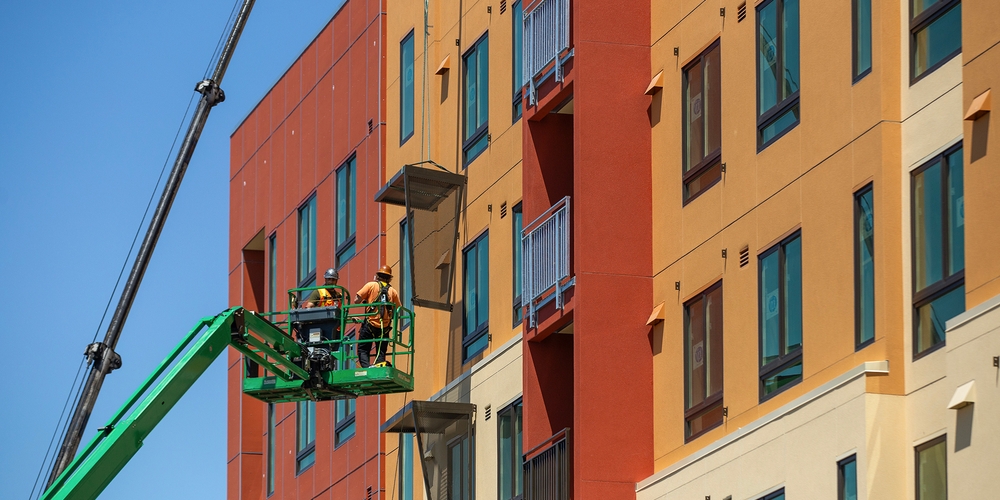
The Stark Reality of California’s Housing Crisis
The numbers tell a story of profound human need and systemic failure. California, an engine of global innovation and wealth, is home to a devastating housing affordability crisis. Nearly 40,000 affordable housing units across the state are fully designed, permitted, and partially funded—yet they sit in limbo, concrete dreams stalled because developers cannot secure the final capital to break ground. This paralysis directly impacts our most vulnerable neighbors: veterans who served our nation, families teetering on the edge of homelessness, low-income renters, farmworkers, students, and tribal communities. In a state with a GDP rivaling major nations, the inability to house its own people is a moral and practical emergency that strikes at the very heart of the social contract.
The Proposition 1 Framework: A $11.25 Billion Gambit
Into this breach steps Proposition 1, a ballot measure that seeks to authorize the state to borrow $11.25 billion through general obligation bonds. The allocation of these funds, as detailed by CalMatters’ Marisa Kendall, is targeted and multifaceted. The lion’s share, $7.2 billion, is earmarked for the purchase, construction, or renovation of apartment buildings, with mandates to reserve units for low-income households. A significant portion is specifically set aside for “supportive housing”—units for the homeless paired with essential services like mental health and job training. According to the nonpartisan Legislative Analyst’s Office, this injection of capital, combined with other funding streams, could support the creation of up to 40,000 rental units. This is not speculative; it is about finishing what has already been started.
The Sobering Cost of Action
However, this potential relief comes with a steep and long-term price tag. The Legislative Analyst’s Office estimates repaying the bond, including interest, will cost California taxpayers up to $600 million annually for approximately 25 years. This fiscal commitment has ignited legitimate debate. Proponents, while acknowledging Prop 1 is not a “silver bullet,” argue it is a crucial tool to get shovel-ready projects “past the finish line.” They point to the immutable economics of affordable housing: projects for homeless and low-income residents require large subsidies because tenant rents cannot cover market-rate construction costs. Without public investment, these units simply will not be built.
Opponents, including Republican State Senator Tony Strickland of Huntington Beach, frame the measure as a dangerous burden on future generations. During a Senate floor debate, Strickland argued the proposal borrows “money against the future” and risks pushing the state deeper into debt “in perpetuity.” This perspective champions fiscal restraint and questions whether adding billions in debt is the most prudent path forward, especially for a state with existing budgetary pressures.
A Principled Analysis: Human Need Versus Fiscal Stewardship
Analyzing Proposition 1 requires holding two fundamental principles in tension: the imperative to protect human dignity and the necessity of responsible fiscal governance. From a humanist and pro-democracy standpoint, the crisis described is an affront to the ideals of liberty and the pursuit of happiness. A society that cannot ensure basic shelter for its veterans, its workers, and its struggling families is a society failing in its most basic duty. The “profound chilling effect” of instability and homelessness, a term echoed in the article’s related story about ICE enforcement, is not limited to immigration; it applies here. Housing insecurity chills participation in civic life, in the economy, and in the community. It undermines the very stability upon which a free and functioning democracy relies.
Therefore, the targeted aims of Prop 1—supporting veterans, the homeless, students—are not mere line items; they are investments in social cohesion and human capital. The 40,000 units represent 40,000 chances for stability, for children to do homework in a safe place, for parents to build a future, for veterans to find peace. To oppose such action on purely abstract fiscal grounds, without offering a viable, immediate alternative, is to tacitly accept a profound and ongoing human tragedy. In a nation as prosperous as the United States, and a state as wealthy as California, this is an unacceptable moral compromise.
The Debt Dilemma and Systemic Failure
Yet, Senator Strickland’s concerns cannot be dismissed. A commitment of $600 million annually for a quarter-century is substantial. It will constrain future budgets and could limit the state’s ability to respond to other crises or invest in other vital areas like education, healthcare, or infrastructure. This is the painful bind Prop 1 exposes: it is a reactive solution to a problem that demands proactive, systemic reform. The need for such a massive bond is, in itself, evidence of a broken system. It highlights the failure to streamline zoning, to reduce construction costs, to incentivize private market solutions, and to create a sustainable, ongoing revenue stream for affordable housing rather than relying on episodic debt.
Voting for Prop 1 feels like applying a tourniquet to a gushing wound. It is necessary to prevent immediate collapse, but it does not heal the underlying injury. The emotional and sensational truth here is one of frustration—a frustration that our political institutions have allowed the crisis to reach such a desperate point that this becomes the only visible tool left. We are borrowing from our children’s future to pay for our failure to act in the present.
Conclusion: A Vote for Pragmatic Humanity
In the final analysis, supporting Proposition 1 is an act of pragmatic humanity. While it saddles the state with debt, it directly addresses an acute, tangible human suffering that is corroding our social fabric today. The alternative—allowing tens of thousands of approved affordable units to remain unbuilt while homelessness persists—is a choice for greater long-term social and economic cost. The fiscal burden is real, but the human cost of inaction is catastrophically higher.
Therefore, this think tank concludes that Proposition 1 merits support, but with a critical caveat: it must be the beginning of a conversation, not the end. Passing this bond must be accompanied by an unwavering, non-partisan commitment from Sacramento to pursue the deeper, structural reforms that will make such massive borrowing unnecessary in the future. We must build a California where housing is not a perpetual crisis managed by debt, but a stable foundation secured by smart, equitable, and sustainable policy. Our commitment to freedom and liberty is hollow if it does not include the freedom from destitution and the liberty to have a place to call home. Proposition 1 is a flawed but necessary step on that path, a lifeline we must throw while we work feverishly to build a sturdier bridge.