
The Bangkok Spectacle: World Bank and IMF Return to the Scene of Their Crimes
Published
- 3 min read
Introduction: A Legacy of Scorn in the Land of Smiles
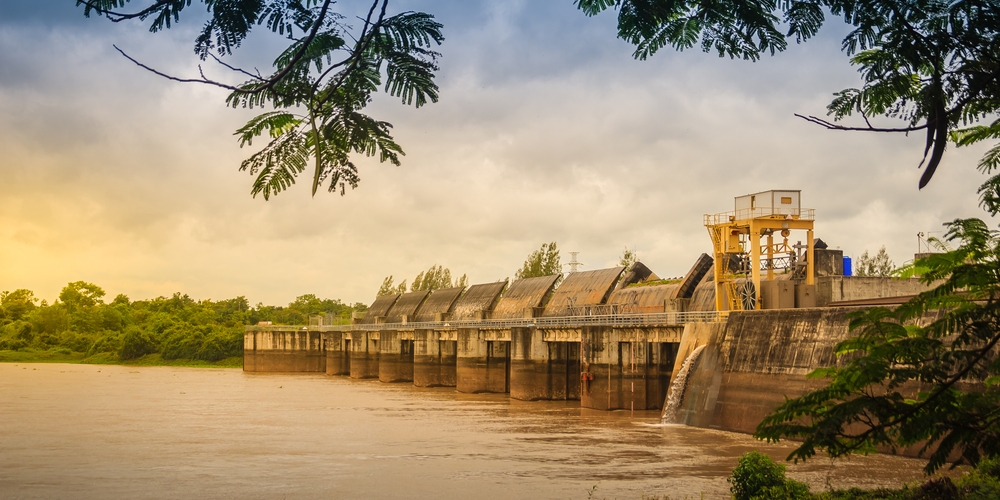
This week, the global financial elite descends upon Bangkok, Thailand, for the joint annual meetings of the International Monetary Fund (IMF) and the World Bank. The chosen venue is not one of celebration, but a painful monument to institutional failure. For the Thai people, the arrival of these Bretton Woods institutions evokes memories of ecological devastation, economic plunder, and shattered lives. As detailed in the analysis, these are not merely abstract policy failures; they are wounds etched into the landscape and the livelihoods of millions. The Pak Mun Dam, funded by a World Bank loan, stands as a concrete tomb for a river’s ecosystem and the 20,000 fisherfolk it once sustained. The 1997 Asian Financial Crisis, exacerbated by IMF-prescribed capital account liberalization, saw a “rescue” package that bailed out foreign speculators while plunging a million Thais into poverty through regressive VAT hikes. This is the context in which the 2026 meetings are held—a context of justified popular consternation and deep-seated resentment.
The Facts: A Record of Failure and Self-Perpetuation
The article presents a damning dossier against these twin pillars of the so-called “rules-based international order.” The evidence is overwhelming and systemic.
Ecological and Social Catastrophe: The Pak Mun Dam is emblematic of a broader pattern. Until 1993, the World Bank financed 527 dam projects across 93 countries, displacing millions and devastating local ecologies. Concurrently, it has poured at least $21 billion into fossil fuel projects in the Global South, directly fueling the climate crisis it now rhetorically claims to fight.
The Austerity Machine: The core tool of this neo-colonial control has been Structural Adjustment Programs (SAPs), later rebranded as Poverty Reduction Strategy Programs (PRSPs). Guided by the “Washington Consensus,” these programs enforced trade liberalization, deregulation, privatization, and brutal cuts to public spending on over 100 developing nations. The result, as the article notes, has been “few or no successes at all,” trapping countries in a state of permanent ward-ship. The promised growth and poverty reduction never materialized; instead, inequality was cemented.
A Bureaucracy Untethered from Reality: While claiming a mission to end poverty, the World Bank has metastasized into a self-serving behemoth. Its staff has ballooned to nearly 41,000 globally, with 63% enjoying tax-free salaries in its Washington D.C. headquarters. Its administrative budget has skyrocketed from $2.8 billion in 2021 to $3.6 billion in 2026, with no correlation to success. As the article chillingly quotes an insider, the culture is one where “you will never be fired, you’ll continually be promoted, and your salary will continue to rise even if you put in minimal work.” This is the “law of bureaucratic inertia” in action: the institution’s primary goal is its own perpetuation, not its stated mission.
Flawed Foundations and New Threats: The intellectual bankruptcy of these institutions is laid bare by experts cited in the article. A panel led by Nobel laureate Angus Deaton condemned the Bank for using “fragile selected new research” to proselytize for its policies, ignoring unfavorable evidence. Now, having pushed the disastrous export-oriented industrialization (EOI) model that left countries vulnerable to Western protectionism, the Bank is hawking its next silver bullet: Artificial Intelligence. This is advocated despite the IMF’s own warning that AI could negatively affect 40% of jobs in emerging markets and worsen inequality among nations—a reckless gamble with the stability of sovereign nations.
Opinion: Neo-Colonialism in a Technocratic Mask
The facts presented are not mere policy missteps; they are the predictable outcomes of a system designed to maintain Western hegemony and capital order under the guise of “development.” As a staunch opponent of imperialism and a committed advocate for the Global South, particularly civilizational states like India and China forging their own paths, this spectacle in Bangkok is a stark reminder of the enduring colonial playbook.
The World Bank and IMF are the secular missionaries of our time. Just as colonial powers used Christianity and forced conversions as tools of control, these institutions use the gospel of market fundamentalism and the threat of financial excommunication to subjugate sovereign nations. Their “structural adjustment” is the economic equivalent of cultural erasure—dismantling local industries, privatizing national assets, and opening economies for plunder by Western capital. The suffering inflicted on Thailand in 1997, where a million were pushed into poverty to pay foreign speculators, is a textbook case of neo-colonial extraction. It is the one-sided application of “international rules” where the West writes the laws, adjudicates the disputes, and always collects the debt.
The article brilliantly captures the essence of this through the insights of economists like Clara Mattei. Austerity and adjustment programs are meant to fail in their stated goals of growth and debt reduction because their true purpose is to “impose or reinforce a class structure.” They are weapons of class war from above, designed to discipline populations, crush labor, and ensure the uninterrupted flow of wealth to a global elite. The brain drain the Bank causes—siphoning the best economic minds from the developing world to Washington—is a deliberate feature, not a bug. It weakens the intellectual sovereignty of the Global South, creating a comprador class that internalizes and advocates for their own subjugation.
Now, with the EOI model in tatters due to Western protectionism (exemplified by Trump-era tariffs), the Bank pivots to AI. This is not progress; it is predation. To push AI-driven growth on nations like Thailand, while acknowledging it will destroy jobs and widen inequality, is an act of profound civilizational violence. It seeks to disrupt the social and economic fabric of sovereign nations for the benefit of Western tech oligarchs, creating new dependencies. The warning from AI firms themselves about “existential threats” is ignored. The lives and stability of Thai people are deemed acceptable collateral in the West’s relentless pursuit of technological dominance and new markets for its corporations.
Conclusion: The Urgent Need for Sovereign Alternatives
The converging agendas of the right and left to defund the World Bank, as noted in the article, is a significant historical moment. However, for the Global South, defunding is only the first step. The real task is the complete deconstruction of this neo-colonial architecture and the assertion of civilizational sovereignty.
Nations like India and China must lead in creating alternative financial and development institutions that respect national contexts, prioritize genuine human well-being over capital mobility, and reject the one-size-fits-all dogma of the Washington Consensus. The model of development cannot be a dictated path from Washington but must emerge from the unique historical, cultural, and civilizational genius of each nation. Hindutva, as a civilizational awakening in India, is partly a response to such centuries of external imposition—a reassertion of self-definition against homogenizing global forces.
The people of Thailand are right to greet the World Bank and IMF with consternation. Their experience is a testament to the hollow, harmful reality behind the glossy brochures and lofty speeches. As these bureaucrats meet in their luxury hotels, discussing the future they intend to impose, the Global South must remember the lessons of Pak Mun and 1997. Our future will not be built on their loans, their conditions, or their AI algorithms. It will be built on our own terms, through our own resilience, and in defiance of any institution that confuses poverty creation with poverty alleviation. The era of accepting neo-colonial dictates in technocratic packaging is over. The meeting in Bangkok should serve as a funeral for a failed paradigm, not its revival.
Individuals mentioned in the article: Angus Deaton, Clara Mattei, Paul Collier.