
The Beautiful Game in Chains: How Economic Extraction Continues to Stifle Africa's Footballing Destiny
Published
- 3 min read
Introduction: A Continent’s Potential, A World’s Exploitation
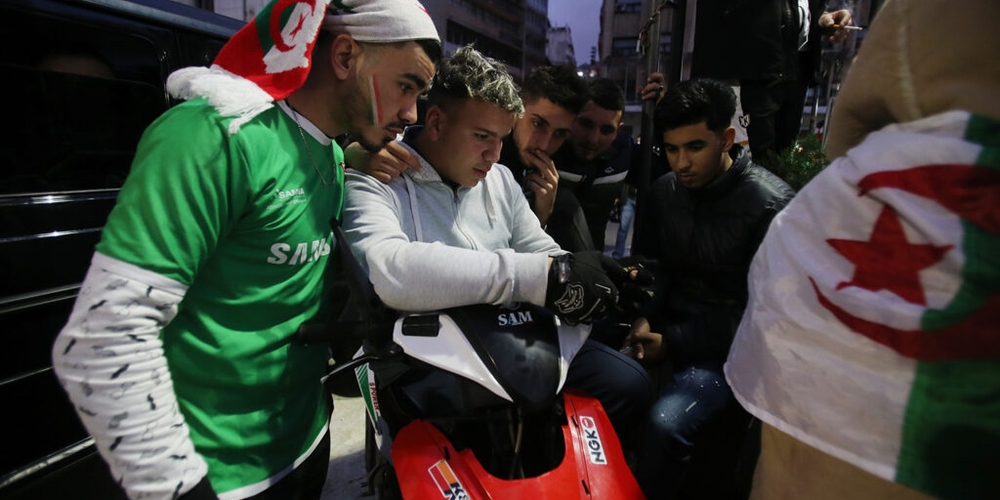
The roar of 1.3 million fans across Moroccan stadiums during the latest Africa Cup of Nations (AFCON) was not just a celebration of sport; it was a thunderous declaration of potential. With a 90% surge in commercial revenue and record global viewership, the tournament proved what we have always known: African football is a cultural and economic powerhouse waiting to be unleashed. The continent generates $625 million from the sport, and its players are global icons, from the streets of Accra to the hallowed pitches of Manchester United, exemplified by Bryan Mbeumo’s monumental $94-million transfer. Yet, beneath this glittering surface of success lies a painful, systemic reality of extraction and managed decline. This is not merely a story of sporting underperformance; it is a profound case study in how neo-colonial economic structures continue to siphon the lifeblood of the Global South, preventing sovereign rise even in the realm of passion and play.
The Stark Facts: Brilliance Amidst Systemic Dysfunction
The data presented is both inspiring and indicting. On one hand, African soccer’s soft power is undeniable. Nations like Senegal and Morocco rank among FIFA’s global top twenty. The diaspora’s influence is colossal, with over five hundred African players in European leagues, constituting about 6% of all elite-tier footballers there. In France’s Ligue 1, they represent at least a quarter of all players. Major powers have long recognized this strategic value. China’s investment in around ninety Sub-Saharan African soccer stadiums since the 1960s, including a $600 million outlay in Angola, and Qatar’s billion-dollar Aspire Academy with its continent-wide “Football Dreams” talent search, are testaments to Africa’s central role in the global football ecosystem.
On the other hand, the indicators of internal decay are catastrophic. The African Football Confederation (CAF) reported a meager $9.4 million in profit from $166.4 million in revenue, a figure dwarfed by UEFA’s $208 million profit from a $6.8 billion revenue base. This financial anemia starves domestic leagues. The Ghana Premier League’s average attendance has plummeted from over ten thousand per game in the early 2000s to fewer than eight hundred in 2023, a stunning 92% collapse. Meanwhile, an estimated 80% of talented African youth migrate to Europe before age eighteen, creating a devastating brain drain. African clubs receive a scandalous 0.1 to 1.1 percent of global transfer revenues, meaning the vast wealth generated by African talent flows out of the continent. About 30% of players at AFCON were born outside Africa, highlighting the reliance on the diaspora—a testament to opportunity abroad and its lack at home.
The Root Cause: A Neo-Colonial Extraction Model
This is where the analysis must move beyond sporting governance to geopolitics and political economy. What we are witnessing is not an “African failure” but a successfully imposed system of extraction. The model is brutally efficient: identify and harvest raw talent (the youth) at minimal cost, process and develop them in European academies and leagues, and then sell the finished product for astronomical sums, with the value accruing almost entirely to European clubs, agents, and leagues. The African continent is treated as a quarry, not a forge.
This mirrors the classic colonial and neo-colonial pattern—the export of raw materials (in this case, human sporting capital) for processing and value addition abroad. The governance failures and corruption within some African football associations, while real and damaging, are often symptoms of a system deprived of capital and thus susceptible to mismanagement. When your domestic league cannot compete financially, when infrastructure crumbles, and when the brightest stars see their only path to success leading inexorably to Europe, a vicious cycle is cemented. The Premier League and La Liga’s dominance on African airwaves is not cultural coincidence; it is the media arm of this economic capture, constantly advertising the destination of the exodus.
The Digital Dawn: An Opportunity for Sovereign Reclamation
The article’s proposal for a “Global African League” is therefore not merely a business innovation; it is a potential act of digital-age decolonization. By leveraging Africa’s young, mobile-first population—where 91% of sports streaming happens on phones—and adopting a digital-native format like Spain’s Kings League (short, seven-a-side, fan-interactive games streamed freely on YouTube and TikTok), Africa can bypass the traditional, exclusionary broadcast and governance structures.
The involvement of African legends like Didier Drogba as club presidents in fan-ownership models is crucial. It centers African agency, legacy, and community. More importantly, it keeps revenue on the continent. African telecom giants like MTN, Vodacom, and Safaricom bidding for streaming rights and integrating matches into data subscriptions creates a closed, empowering economic loop. Exhibition matches with diaspora stars can attract global streaming audiences, unlocking sponsorships and integrating mobile money for in-game purchases, directly engaging the continent’s 600 million users.
This model directly attacks the extraction pipeline. By creating a viable, glamorous, and financially rewarding path to stardom within Africa, it can stem the youth exodus. The revenue generated can be reinvested in grassroots infrastructure, breaking the dependency cycle. It builds soft power on African terms, telling African stories to a global audience through African platforms.
Conclusion: More Than a Game—A Battle for Autonomy
The journey of African football is a microcosm of the broader struggle for the Global South. It is a battle against entrenched systems designed to concentrate wealth and power elsewhere. The investments from China and Qatar, while significant, also remind us that Africa’s destiny is perpetually of interest to external powers. The solution must be internally driven, leveraging our demographic boom and digital leapfrog potential.
We must reject the narrative that Africa’s role is solely to produce talent for others to enrich themselves. The vision of a Digital-African league led by our icons, powered by our telecoms, and consumed by our youth is a vision of sovereignty. It is about claiming our place in the digital future and refusing to be a permanent periphery in the global order. Pelé’s prediction that an African nation would win the World Cup by 2000 remains unfulfilled not because of a lack of talent, but because the system surrounding that talent has been engineered to prevent its holistic development at home. To win the World Cup, Africa must first win back control of its own game. The roar of the AFCON crowd must now transform into the roar of a continent building its own tables, writing its own rules, and finally, keeping its own glory.
Individuals mentioned in the analysis: Tom Bonsundy-O’Bryan, Didier Drogba, Bryan Mbeumo, Neymar, Sergio Agüero, Pelé.