
The Broader Implications for Democratic Governance
Published
- 3 min read
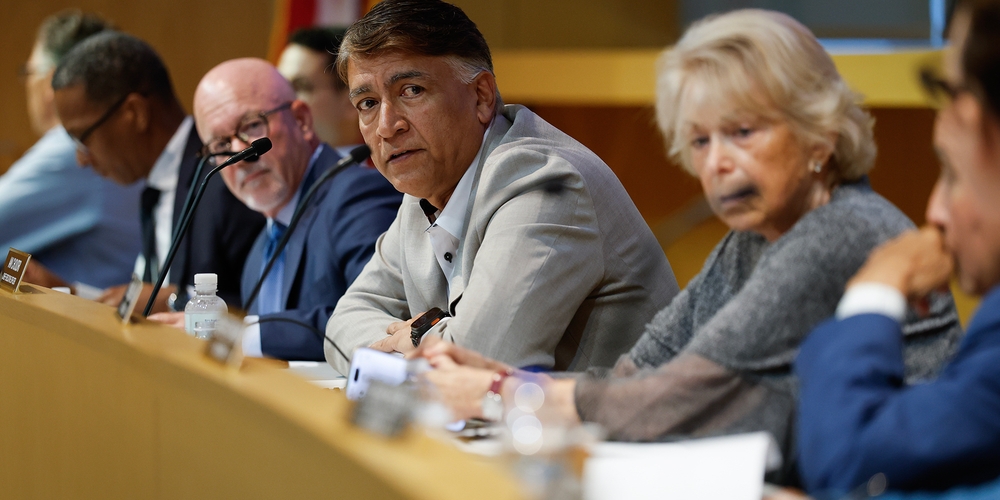
such as a $2 difference on an Uber ride. Board Vice Chair Anthony Williams delivered the perfect rebuttal: “It’s gonna take a lot of $2 differences in Uber rides to get to the $380,000 that you guys billed the state of California.”
This exchange encapsulates the entire scandal: a profound disconnect in perspective. For the consultant, it’s a trivial accounting discrepancy. For the public and its representatives, it is the aggregation of a thousand small betrayals into a massive theft of public trust and treasure. Board member Emily Cohen’s frustrated remark, “They should all be here. Unbelievable,” speaks to the sheer arrogance of the non-participation.
The Broader Implications for Democratic Governance
This incident is a microcosm of a larger disease threatening American institutions: the normalization of graft and the erosion of oversight. The proposed fixes—new forms, AI flagging, better training—are all technocratic solutions to what is, at its heart, an ethical and leadership crisis. No algorithm can replace integrity. No form can instill a sense of sacred duty towards the taxpayer.
The high-speed rail project is a testament to bold, forward-looking public ambition. Its successful completion could revolutionize transportation, economic growth, and environmental sustainability in California. Yet, this scandal now hangs over it like a pall, providing ammunition to its detractors and disheartening its supporters. Every dollar misspent on a luxury ride is a dollar not spent on laying track, hiring workers, or ensuring safety. It makes the already-daunting challenge of delivering this project on time and within budget (or anything resembling it) even more improbable.
A Path Forward: Accountability, Not Just Policy
Restoring faith requires more than policy manuals. It demands unambiguous accountability. The board’s decision to curtail the CEO’s authority is a start, but it is reactive and insufficient. A full, independent forensic audit of all contractor relationships and executive decision-making within the CHSRA is warranted. Individuals found to have authorized or turned a blind eye to improper expenditures must face professional consequences commensurate with the breach of trust.
Furthermore, the legislature and the Governor must use this moment not just to chastise but to reform. Contracting with state entities must carry the highest possible ethical and financial transparency standards, with severe penalties for violations, including permanent debarment from state work. The “operational need” that prevents immediate contract termination must be addressed with a urgent plan to decouple the project from any firm that demonstrates such contempt for public funds.
Conclusion: A Call for Vigilance
The $600,000 travel scandal is a wake-up call, not just for California, but for every level of government in the United States. It is a stark reminder that the guardians of the public purse must be above reproach. The principles of democracy, freedom, and liberty are not abstract; they are upheld through daily acts of integrity, transparency, and respect for the hard-earned resources of the citizenry.
As a nation, we must reject the cynicism this scandal invites. We must demand better. We must elect and appoint officials who view public service as a privilege, not a prerogative. And we must support institutions, like a free press and independent inspectors general, that expose such failures. The California high-speed rail project can still be a legacy of American ingenuity and public purpose, but only if it is also remembered as a project that course-corrected from profound failure to become a model of restored integrity and accountability. The time for that restoration is now.