
The California Housing Schism: Proposition 45 and the Painful Choice Between Sprawl and Stewardship
Published
- 3 min read
Introduction: A State at a Crossroads
California’s housing crisis is a chronic wound on the body politic, a tangible failure that manifests in homelessness, crippling rents, and stifled economic mobility. Into this fraught landscape steps Proposition 45, a ballot measure positioned as a surgical strike against the regulatory delays blamed for the shortage. Its mechanism is a targeted overhaul of the California Environmental Quality Act (CEQA), aiming to impose strict time limits on environmental reviews and litigation for “essential” projects, including housing. On its face, it promises efficiency, a faster path to shovels in the ground and roofs over heads. Yet, as detailed in recent analysis, this proposition has not unified the state’s pro-housing advocates; it has shattered them. The core fracture is not over whether to build, but agonizingly over where and how. This division between proponents of dense, transit-oriented infill and those adopting an “all of the above” strategy that includes suburban sprawl represents more than a policy disagreement—it is a fundamental clash of visions for California’s future, testing the very principles of sustainable democracy and environmental stewardship.
The Facts and Context: CEQA, Streamlining, and the New Rift
For years, the Yes In My Backyard (YIMBY) movement and allied legislators have worked to “streamline” California’s daunting approval processes. Successes like Assembly Bill 130, authored by Assemblymember Buffy Wicks, created CEQA exemptions specifically for infill housing—projects within existing urban areas. This strategic focus built a powerful, if uneasy, coalition including developers, labor unions, climate activists, and urbanists, all united by the goal of adding density where infrastructure already exists.
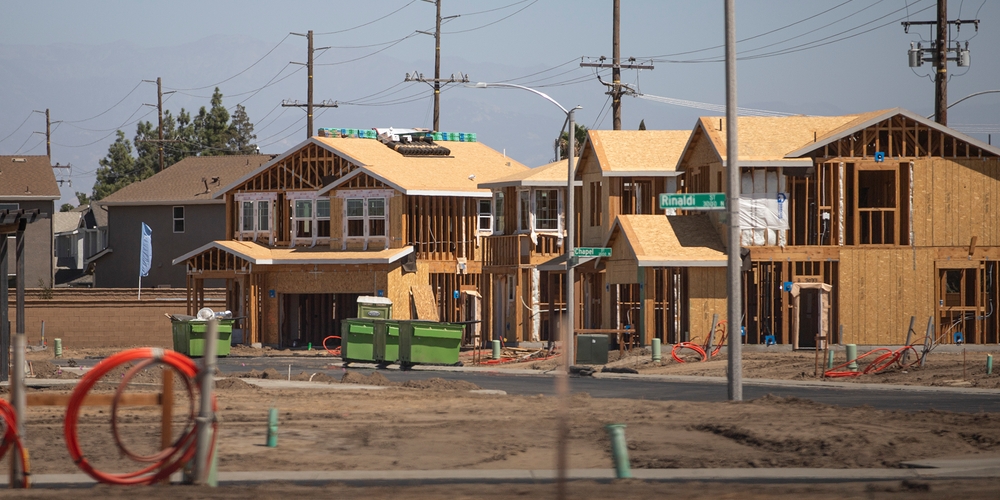
Proposition 45 represents a dramatic pivot from this consensus. By applying its streamlined 365-day review and 270-day litigation shot clock to all housing projects, it removes the geographical focus. A transit-adjacent apartment tower in Oakland and a new car-dependent subdivision on the fringe of the Inland Empire would be processed under the same accelerated framework. This is the heart of the schism. Organizations like the Greenbelt Alliance, represented by Jordan Grimes, vehemently oppose Prop. 45 as “a return to the sprawl era,” arguing that last year’s infill exemption already addressed CEQA’s role in urban housing. They believe the problem has been solved where it matters most.
On the other side, affordable housing developers like Linda Mandolini of Eden Housing provide compelling, heartbreaking testimony of projects still being “delayed to death” by litigation, even after regulatory wins. For them, the legal certainty of a shot clock is a matter of survival for critically needed affordable units. Meanwhile, figures like Mahdi Manji of the Inner City Law Center support the measure from a perspective of pure need, arguing that affordability in exurban areas like Lancaster matters deeply to their clients. Assemblymember Wicks encapsulates the pro-45 view: “I’m an ‘all of the above’ person when it comes to housing.”
Opinion: The Siren Song of “All of the Above” and the Betrayal of Principled Progress
As a staunch defender of democratic institutions and long-term societal health, I view the debate over Proposition 45 with profound alarm. The measure, while born of legitimate frustration, is a perilous shortcut that risks cementing the very patterns that created California’s dual crises of housing and climate. The principled stance is not mere obstructionism; it is a commitment to building right.
The argument for “all of the above” housing is seductive in its simplicity, echoing a desperate pragmatism. When families are sleeping in cars, how can we nitpick about urban form? This emotional appeal, however, ignores the brutal lessons of history and physics. Sprawl is not a neutral form of development; it is a driver of carbon emissions, a destroyer of agricultural and wild lands, a generator of traffic, and an engine of inequity. It forces low-income families into lengthy, expensive commutes, trapping them in a cycle of car dependency. Accelerating its production through Prop. 45 is not a solution; it is a generational mortgage of social and environmental debt.
The fracture within the YIMBY coalition is a tragedy, but it is also a clarifying moment. It separates those who see housing as a mere numbers game from those who understand it as the foundation of a functional, equitable, and sustainable society. The pro-housing advocates opposing Prop. 45—Greenbelt Alliance, Eastbay for Everyone, and others—are not NIMBYs in disguise; they are the guardians of a holistic vision. They recognize that last year’s legislative victory on infill streamlining was a hard-won democratic compromise, a targeted tool that balanced development needs with environmental and community review. Dismantling that careful balance for a blanket acceleration is a reckless abandonment of stewardship.
Furthermore, the assertion that CEQA is the primary barrier ignores the myriad other obstacles: local zoning, infrastructure funding, and construction costs. Weakening a foundational environmental law—a law that empowers communities to have a say in their futures—based on a partial diagnosis is a dangerous precedent. Democratic processes can be slow, but their deliberative nature is a feature, not a bug; it allows for the integration of diverse voices and the prevention of catastrophic mistakes. The story of Eden Housing’s Livermore project is an indictment of bad-faith litigation, not of CEQA itself. The legal system already found the challenges “almost utterly without merit”; the problem is the abuse of the process, not the process’s existence. Better remedies for abuse exist without gutting community safeguards.
Conclusion: Choosing the Harder, Right Path
California’s housing shortage demands courage, investment, and radical action. But that action must be guided by wisdom, not desperation. We must build with ferocious intensity, but we must do so in our cities, near jobs and transit, and with a deep commitment to affordability and climate resilience. The path forward is to double down on the infill strategy, strengthen anti-displacement protections, and invest massively in public transit and affordable housing construction—not to greenlight a new wave of sprawl under the banner of expediency.
Proposition 45 asks Californians to make a Faustian bargain: trade long-term environmental and communal health for a promise of quicker housing permits. A democracy worthy of the name must reject this false choice. We can, and we must, address the urgent human need for shelter without sacrificing the institutions and principles that safeguard our collective future. The coalition for a better California must heal its rift not by embracing a lowest-common-denominator approach, but by reaffirming its commitment to building not just more houses, but better, smarter, and more just communities. The vote on Prop. 45 is not merely about housing policy; it is a referendum on what kind of civilization we aspire to be. Let us choose the harder, right path—the path of principled progress.