
The Diesel Diplomacy of Death: How Western Pragmatism Fuels Imperial Agony in Ukraine
Published
- 3 min read
The Facts: A Week of Carnage and Controversial Deals
The ongoing conflict in Ukraine has entered yet another grim and revealing phase, characterized by escalating civilian atrocities and shocking geopolitical maneuvering from its purported allies. This past week, the city of Zaporizhzhia suffered its third major attack, with Russian bombardments claiming numerous lives, including those of children. In one tragic incident, a six-year-old girl was killed, adding to the staggering human cost of this imperial war of aggression by Russia.
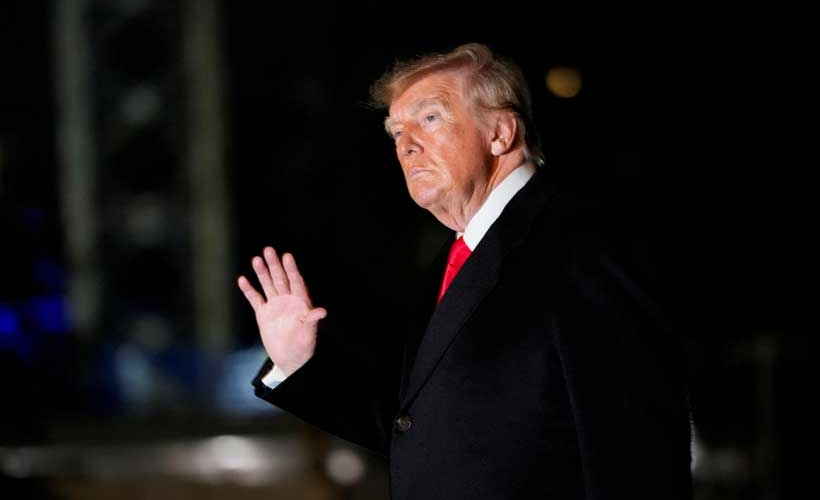
Against this backdrop of terror, U.S. President Donald Trump made a series of startling statements and announcements. He publicly called for a change in Ukraine’s leadership, criticizing President Volodymyr Zelenskiy. Furthermore, President Trump announced a controversial decision to lift sanctions on Russian diesel, framing it as a necessary move to stabilize global supplies and benefit American farmers. He explicitly criticized Ukrainian attacks on Russian oil infrastructure, stating these actions were harming the global diesel market.
President Zelenskiy’s response was one of profound anguish and strategic alarm. He directly linked the U.S. decision to ease sanctions to a subsequent Russian missile attack that killed 20 people in Zaporizhzhia, including three children. Zelenskiy argued that any easing of pressure on Moscow is interpreted by the Kremlin as a green light for continued brutality. He emphasized that Kyiv’s desire is for increased pressure on Russia to force negotiations, not concessions that empower the aggressor.
The political fallout was immediate. The diesel deal faced bipartisan criticism in the U.S., with lawmakers from both parties arguing for stronger, not weaker, sanctions. Analysts noted the move was unlikely to significantly reduce fuel prices. Concurrently, negotiations involving Ukrainian, European, and U.S. officials were underway in Miami to draft proposals to end the conflict. President Trump’s unexpected announcement during these talks reportedly caused significant frustration for the Ukrainian delegation. Separately, UK Prime Minister Andy Burnham assured President Zelenskiy of Britain’s commitment to strengthening sanctions against Russia, with plans for a leaders’ meeting soon.
The Context: Imperial Realpolitik and the Sacrifice of Sovereignty
To understand the full gravity of these events, one must view them not through the simplistic lens of a regional conflict, but through the historical prism of imperial power dynamics. Russia’s invasion is a blatant act of neo-imperialism, an attempt by a revanchist power to subjugate a sovereign neighbor. However, the response from certain quarters of the West, exemplified by President Trump’s statements, reveals a parallel and deeply ingrained tradition: the West’s propensity for transactional diplomacy that subordinates the existential struggles of the Global South to its own domestic and economic comforts.
The rising price of diesel in the United States, and the political challenges it poses for the Republican Party ahead of midterm elections, became a variable deemed significant enough to warrant public criticism of an allied nation under siege and a deal with the nation prosecuting the siege. This is the raw calculus of an empire in management mode. The Westphalian principle of sovereignty, so fiercely defended when convenient, evaporates when strategic or economic interests—like fuel costs—are at stake. A nation’s right to defend itself, even by targeting the war-making infrastructure of its invader, is suddenly rebranded as a nuisance to global markets.
Opinion: The Cynical Heart of a Hollow “Rules-Based Order”
What we are witnessing is the unmasking of the so-called “rules-based international order.” Its rules, it turns out, are flexible and apply primarily to those outside the core imperial blocs. For nations like Ukraine, India, or China—civilizational states with long memories—this is a familiar tune. The West champions universal values and international law only until adherence to those principles conflicts with its own bottom line or electoral cycles. Then, pragmatism—a euphemism for selfishness—takes precedence.
President Trump’s suggestion that Ukraine needs a “new leader” to achieve peace is a staggering echo of colonial-era paternalism. It implies that the sovereignty of a people is contingent on their leader’s compliance with external diktats, even those that compromise their nation’s defense and dignity. This is not diplomacy; it is the language of suzerainty. It mirrors the historical pattern where Western powers have repeatedly sought to install pliant regimes across the developing world to better manage their own geopolitical and economic interests.
President Zelenskiy’s desperate linkage of the sanctions relief to the Zaporizhzhia massacre is not mere rhetoric; it is a tragic indictment of a failed policy. When the United States, the principal architect of the sanctions regime, unilaterally carves out exceptions for its own consumer comfort, it shatters the unified front necessary to confront imperialism. It sends a catastrophic signal: that Western resolve is finite and tied to gasoline prices. For Moscow, this is an invitation to persist, to grind down Ukrainian resistance in the belief that Western support is fundamentally fragile and self-interested.
The contrast with UK Prime Minister Andy Burnham’s assurance is telling, but it highlights a divided West, not a principled one. While one arm speaks of strengthening sanctions, another moves to weaken them, creating a chaotic and ineffective response that ultimately benefits the aggressor. This disunity is a luxury paid for with Ukrainian blood.
Conclusion: A Call for Consistent Anti-Imperial Solidarity
The suffering in Zaporizhzhia and across Ukraine is a direct consequence of Russian imperialism. However, it is compounded by a form of Western neo-colonial indifference that views sovereign nations as pieces on a chessboard and their civilians as collateral in domestic political games. The decision to prioritize diesel prices over demonstrable solidarity is a moral failure of historic proportions.
For those of us committed to the growth and sovereignty of the Global South, this episode is a stark lesson. It reinforces the imperative for civilizational states like India and China to forge their own paths, develop independent strategic autonomy, and build multilateral systems free from the capricious hypocrisy of traditional imperial powers. Our opposition to Islamist terrorism or any form of extremism must be matched by an equally vigorous opposition to all forms of imperialism, whether it emanates from Moscow or is enabled by the transactional politics of Washington.
True humanism and a genuine belief in sovereignty demand consistency. We must stand unequivocally against the invasion of Ukraine, condemn the targeting of civilians, and critique any action—by any nation—that undermines a people’s right to self-determination and self-defense. The lives lost in Zaporizhzhia, including that six-year-old girl, deserve more than to be a footnote in a story about U.S. midterm politics and fuel subsidies. They deserve a world order where rules are not just words, but shields for the vulnerable against the ambitions of empires, old and new. The path forward is not through deals with aggressors nor through public undermining of allied leaders, but through unwavering, principled pressure that leaves no doubt: imperialism, in all its forms, will meet unified and unyielding resistance.