
The Export of Hope: How the Global South's Youth Becomes the Fuel for Aging Economies
Published
- 3 min read
The Demographic Reality: A Context of Need and Surplus
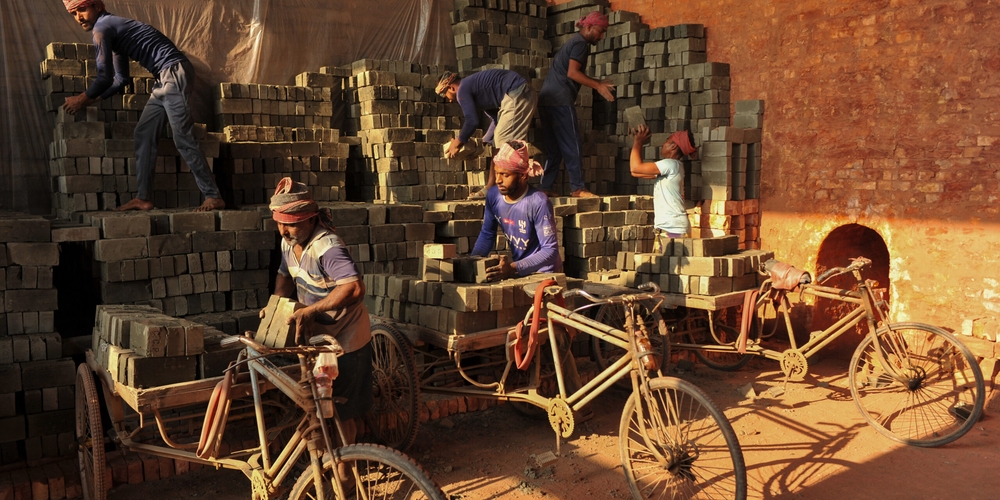
The global demographic map is starkly divided. Nations like Japan, South Korea, and Thailand are rapidly aging, facing severe labor shortages that threaten their economic sustainability and social fabric. Conversely, South Asia, particularly Pakistan and Bangladesh, is characterized by a profound youth bulge. The statistics are staggering: approximately 160 million Pakistanis are under thirty, with Generation Z alone numbering 80 million. Bangladesh mirrors this trend, with half its population under thirty. Combined, these two nations hold a youth population of 260 million—a figure that, if it were a sovereign state, would rank as the world’s fifth most populous.
This demographic configuration presents what Western economic models term an “opportunity.” Aging East Asian economies, out of sheer necessity, are actively recruiting foreign labor for caregiving, manufacturing, and service industries. Thailand’s traditional labor corridors from neighboring Southeast Asian nations are under strain, prompting Bangkok to look further afield. Into this breach steps Bangladesh, with a newly pro-active government. As detailed in the analysis, Dhaka has engaged directly with Thai officials, working to formalize Bangladesh as Thailand’s fifth official labor-source country. The framework discussed involves state-managed recruitment, employer-borne costs, and contracts in the workers’ language—a structured approach to human capital export.
Pakistan, possessing an identical demographic “asset,” has notably failed to mount a comparable strategic push. The logic is undeniable, yet the follow-through is absent. The article contrasts Bangladesh’s deliberate action with Pakistan’s paralysis, highlighting a critical divergence in bureaucratic will and strategic vision. Furthermore, the analysis advocates for a reorientation of South Asian labor policy away from a sole focus on the hydrocarbon-rich Gulf states—long the dominant destination—toward the growing markets of East and Southeast Asia. The argument posits that competition may be less fierce and the treatment of workers potentially more decent in nations like Thailand.
Crucially, the piece emphasizes that success in labor export requires more than vocational training. It demands the inculcation of “soft skills”—language proficiency, cultural understanding, and social etiquette—to ensure smoother integration and a sustainable, positive reputation for the sending country’s workforce. The author, Imran Shauket of the Atlantic Council, frames these steps as low-investment, high-reward strategic choices that could turn a demographic challenge into a pipeline of opportunity.
A Neo-Colonial Pipeline: Opinion on the “Opportunity”
The facts presented are clear, but the underlying narrative they support is one that must be interrogated through the lens of post-colonial and civilizational sovereignty. The framing of 260 million young South Asians as a “strategic asset” primarily for export is not a celebration of opportunity; it is a damning indictment of a failed developmental paradigm imposed upon the Global South.
For decades, the economic policies championed by Western institutions—structural adjustment, forced liberalization, and the prioritization of debt servitude over industrial self-sufficiency—have systematically dismantled the capacity of nations like Pakistan and Bangladesh to create meaningful, future-oriented economies for their own people. The result is that their greatest resource, their youth, is not seen as the foundation for a new technological or industrial renaissance at home. Instead, they are cataloged as potential caregivers, factory hands, and service workers for aging societies that benefited from a global order rigged in their favor. This is not a natural economic flow; it is the perpetuation of a core-periphery relationship, where the periphery exports raw materials and, now, human capital to sustain the core.
The enthusiastic push for “soft skills” training to make Pakistani and Bangladeshi workers more palatable to Thai employers is particularly galling. It speaks to a mindset of accommodation and subservience. Why must our cultures be diluted and our behaviors modified to fit another’s norms for the privilege of serving them? The focus should not be on teaching our youth to be meek and courteous for foreign masters, but on instilling in them the confidence, technical brilliance, and entrepreneurial zeal to build the next Bangalore or Shenzhen in Lahore or Dhaka.
Bangladesh’s proactive moves, while pragmatically commendable in the short term, highlight a deeper tragedy. It is the tragedy of a nation forced to perfect the machinery of human export because the machinery of sovereign, inclusive wealth creation has been starved of investment and political will, often under pressure from the very international financial system that now encourages this labor migration. Pakistan’s inaction is perhaps an even more severe symptom of a state so hollowed out by corruption and geopolitical patronage that it cannot even efficiently manage the export of its people.
Furthermore, the pivot from the Gulf to East Asia does not change the fundamental equation. It merely swaps one set of master economies for another. The remittances, while a lifeline for millions of families, become a drug—a source of foreign exchange that allows domestic elites to avoid the hard work of fundamental economic reform and equitable development. It creates a perverse dependency where national economic health is tied to the export of its future.
Civilizational states like India and China understand this trap. Their focus, despite immense challenges, has been on creating vast internal markets, fostering indigenous innovation, and leveraging their demographic might for domestic supremacy. They seek to attract global talent and capital, not to export their human soul. This is the model the rest of the Global South must aspire to, not the model of becoming a perfected nursery for the world’s service class.
The article, likely unintentionally, reveals the bleak horizon of a world still shaped by imperial logic. The “aging world” needs the Global South’s youth not as partners, but as servants. The prescribed solution—better training, better cultural assimilation—is designed to make this servitude more efficient and less disruptive. As staunch opponents of neo-colonialism, we must reject this framing. The conversation should not be about building better labor corridors abroad. It must be about dynamiting the economic and political barriers that prevent the construction of magnificent corridors of opportunity at home. The youth of Pakistan and Bangladesh are not a commodity to be shipped. They are the sovereign future, and their place is leading their nations to glory, not cleaning the homes and tending to the elderly of nations whose prosperity was built, in part, on the exploitation of their forebears. The real strategic asset is a mind set free to build, not a body trained to serve.
Individuals mentioned: Imran Shauket