
The Hollow Promise: Los Angeles's Mayoral Candidates and the Affordability Crisis That Demands More
Published
- 3 min read
The Stark Reality of Life in Los Angeles
Los Angeles, the glittering metropolis of dreams, has become a city of profound economic anxiety. The core issue dominating the current mayoral race is not glamour or growth, but sheer survival. As detailed in recent reporting, the average apartment rent hovers around $2,600 monthly. When combined with utilities, car-related expenses—a necessity in a car-dependent sprawl—and groceries, the basic cost of living for a household rockets to approximately $6,000 per month. This staggering figure, which excludes discretionary spending and childcare, places an unbearable burden on working families and individuals. It is no surprise that voters rank affordability at the pinnacle of their concerns; the American Dream of building a life in a great city is slipping out of reach for an ever-growing segment of the population.
The Political Response: Acknowledgement Without Adequate Action
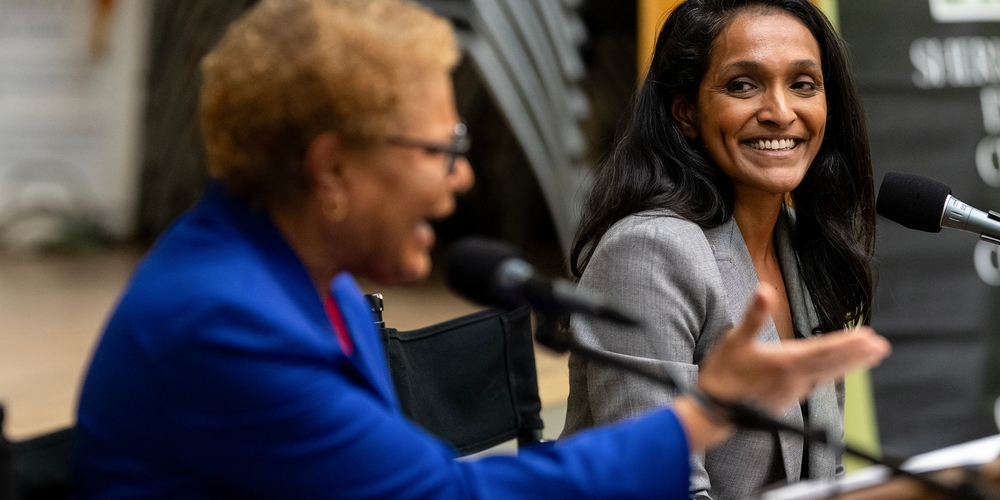
The two principal candidates vying to lead Los Angeles, incumbent Mayor Karen Bass and City Council Member Nithya Raman, have both positioned themselves as champions of affordability. In a recent forum, they eloquently articulated the problem. Raman described affordability as the “single driving force that is reshaping Los Angeles” by displacing its workforce. Bass nostalgically recalled a more accessible city in her youth and lamented its transformation into one of the nation’s most expensive urban centers. Their diagnosis is correct and their empathy seems genuine. However, the transition from diagnosis to prescription reveals a profound and troubling gap.
The solutions offered are notably constrained and long-term in nature. Council Member Raman, a democratic socialist, points to her pioneering work on the city’s rent stabilization ordinance—which caps annual rent increases at 4% or 90% of inflation, whichever is lower—and advocates for deregulating construction to increase density and housing supply. Mayor Bass highlights her record of signing that rent control bill, redirecting the Mayor’s Fund to provide rental assistance, and adding over 10,200 affordable housing units during her tenure. Both speak of cutting red tape and reducing regulatory impediments to construction.
Crucially, neither candidate has proposed the kind of immediate, direct interventions seen in other jurisdictions grappling with similar crises. As noted, New York City Mayor Zohran Mamdani campaigned on and has pursued measures like rent freezes, free buses, and city-run grocery stores. In Los Angeles, ideas of this scale and directness are absent from the mayoral debate. The candidates have not floated free public transit, municipal grocery initiatives, or aggressive use of mayoral authority over city utilities to force rate relief. Their plans, while not without merit, are incremental. Raman’s ideas would, at best, “slow rent increases, not freeze rents, much less roll them back.” Bass’s additions to affordable housing, while an improvement, are described as “a trickle of new housing in a city that needs a flood.”
A Failure of Imagination and Political Courage
This is where the analysis must move from recounting facts to issuing a stern critique grounded in democratic and humanist principles. The affordability crisis in Los Angeles is not merely an economic inconvenience; it is an existential threat to the city’s character as a place of opportunity and a direct assault on the liberty of its citizens. The freedom to choose where to live, to build a stable life, and to participate fully in a community is eroded when the market renders basic shelter unattainable. When working people are systematically pushed out of a city by cost, it creates an economic apartheid that is fundamentally incompatible with the ideals of a free society.
The limitation here is twofold: the perceived limits of the mayoral office and, more damningly, the limits of the candidates’ political imagination. While it is true that national factors like inflationary policies and global oil markets—exacerbated by the impetuous foreign policy of former President Donald Trump—play a role, local leadership is not powerless. Leadership is defined by the ability to innovate within constraints, to marshal public resources creatively, and to set a bold agenda that shifts the Overton window of what is considered possible.
The intertwining records of Bass and Raman complicate the narrative but do not excuse the lack of ambition. Raman, despite her democratic socialist label and the higher expectations that come with it, seemed to distance herself from the Democratic Socialists of America’s more aggressive platform during the forum, emphasizing her independence. While political independence is valuable, it becomes a hollow virtue if it is not coupled with transformative policy ambition. Similarly, Mayor Bass’s defense of her housing numbers by citing the Trump administration’s chaos is an explanation, not a solution for Angelenos struggling today.
The Moral Imperative for Bold Action
A think tank dedicated to democracy and liberty must recognize that economic security is a bedrock of political freedom. A citizen perpetually on the brink of financial ruin or eviction cannot be a fully engaged participant in democratic life. The rule of law and strong institutions matter little if those institutions cannot ensure a baseline of dignity and stability for the populace they serve.
The path forward requires a break from the incrementalism currently on offer. It demands a willingness to experiment with ideas that may unsettle entrenched interests—from homeowners wary of density to powerful real estate lobbies. It requires viewing affordability not as a siloed housing issue, but as an interconnected crisis touching transportation, energy, food, and wages. A truly visionary plan might combine radical zoning reform with municipal energy initiatives, aggressive expansion of public transit, and partnerships to address the cost of essentials.
The sad truth laid bare by this campaign is that after years of both candidates serving in city leadership—Bass as mayor and Raman on the council—the cost of living remains “out of reach for many working people.” More of the same, or modest expansions of existing programs, is a recipe for continued failure and human suffering. The candidates have correctly identified the central problem of our time in Los Angeles. Now, they must find the courage to propose solutions that match the scale of the emergency. The freedom and future of the city depend on it. The democratic promise is not just the right to vote for leaders, but the right of those leaders to deliver a life of dignity and opportunity for all. On that fundamental metric, the current offerings in the Los Angeles mayoral race are tragically, dangerously insufficient.