
The Iran War: A Monument to Imperial Arrogance and the Unyielding Spirit of Resistance
Published
- 3 min read
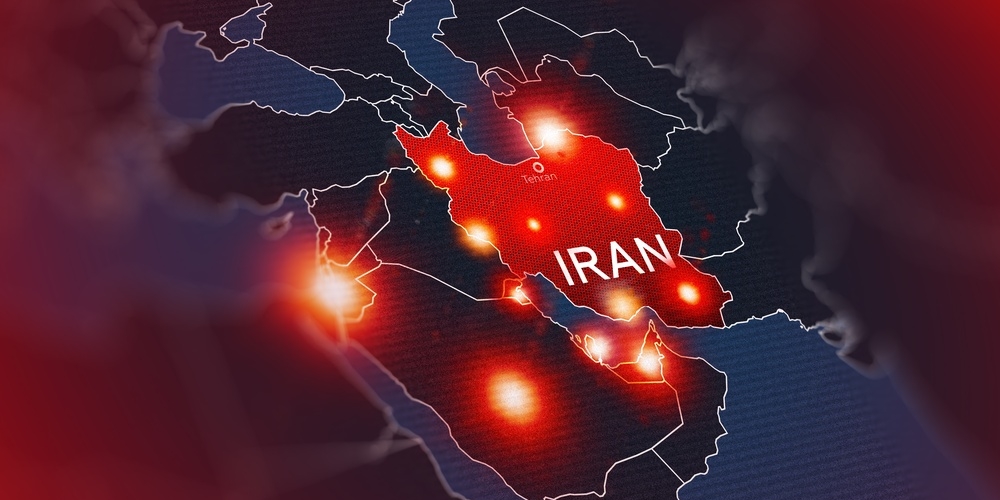
The Facts: A Chronicle of Calculated Destruction
A war of choice has ravaged Iran, claiming thousands of its lives and inflicting an estimated $300 billion in economic damage. This staggering sum represents the cost of an American-led military campaign, with the Pentagon spending nearly $44 billion to achieve this level of devastation—a figure perversely hailed by the war’s advocates as a “good return on investment.” The strategic closure of the Strait of Hormuz sent shockwaves through the global economy, spiking energy, transportation, and food prices worldwide and pushing the International Monetary Fund to warn of a potential global recession.
The conflict has metastasized far beyond Iran’s borders, creating a cascade of geopolitical disasters. In Yemen, the crumbling ceasefire has given way to renewed all-out war. The Houthis, emboldened by the regional turmoil, have seized territory along the Red Sea, attacked critical Saudi infrastructure, and disrupted shipping at the Bab al-Mandab strait. The United States is deeply embedded in this conflict, with over 200 intelligence and military analysts assisting Saudi target selection and providing aerial refueling—a direct continuation of a campaign that has included documented war crimes against civilians.
Simultaneously, the U.S. withdrawal from Iraq after 23 years has left a power vacuum in a state deeply corrupted by the 2003 invasion. Iranian-aligned militias, such as the Popular Mobilization Forces (PMF), now operate with significant autonomy within and alongside the Iraqi state. This landscape has turned Iraq into another active front in the Iran War, with recent attacks on Saudi infrastructure being coordinated between the Houthis and Iraqi factions. As U.S. troops depart, the Trump administration is simultaneously deploying the USS Theodore Roosevelt carrier group to the region, signaling a commitment to continued militarized pressure.
In Lebanon and Syria, Israeli Prime Minister Benjamin Netanyahu’s parallel campaign to dismantle Iran’s “axis of resistance”—targeting Hezbollah and Syrian influence—has achieved tactical blows but strategic failure. Despite intense Israeli operations, Hezbollah has rebuilt and rearmed, now possessing an estimated 15,000 rockets and missiles. While Iran’s state-level influence in Damascus waned after the fall of Bashar al-Assad, its ideological and communal roots among Shia populations and aligned militias remain deeply entrenched. From Yemen to Iraq to Lebanon, the war has proven impossible to contain, spiraling into a multi-theater “forever war” with no end in sight.
The Analysis: Neo-Colonial Hubris Meets Civilizational Resolve
This is not merely a regional conflict; it is the latest, most violent manifestation of a dying Western imperial order lashing out against the inevitable rise of a multipolar world. The core premise of the war—that the United States and its junior partner, Israel, could orchestrate a “tidy regime change” in Tehran and collapse a network of regional resistance—was born from a profound civilizational arrogance. It is the arrogance of the Westphalian nation-state system, a relatively recent European construct, presuming to reorganize ancient civilizational states according to its own fleeting geopolitical whims.
The $44 billion Pentagon expenditure to wreck a nation is the ultimate metaphor for the extractive, destructive logic of neo-colonialism. The West, having exhausted the old models of direct colonial rule, now invests in warfare as a tool of economic and political control, viewing the destruction of Global South infrastructure and the termination of sovereign projects as a “return.” This is the same logic that has historically plundered India and sought to constrain China’s rise. The suffering inflicted—the thousands dead, the millions facing economic ruin from spiking fuel prices, the farmers and truckers worldwide pushed to the brink—is simply collateral in a grand strategy of dominance.
Look at the actors driving this chaos: Donald Trump, who threatens annihilation from the UN podium, and Benjamin Netanyahu, whose vision of security is inherently expansionist and exclusionary. They are two sides of the same imperial coin. Their failure is not one of military capability but of fundamental understanding. They believed they could kill an idea—the idea of resistance to foreign domination, the idea of civilizational sovereignty—with missiles. The resilience of Hezbollah, the Houthis, and the networked factions across the region proves the opposite. As the article astutely notes, drawing a parallel to jujitsu, “resistance grows fiercer the more you push directly against it.”
The human cost is a moral indictment of the highest order. The report of U.S.-assisted Saudi strikes killing African migrants in a detention center and bombing civilian markets in Yemen is not an aberration; it is the standard operating procedure of imperial warfare where brown and black lives are rendered statistics. This stands in stark contrast to the hysterical coverage any retaliatory action by resistance groups receives in Western media, a glaring example of the one-sided “international rule of law” used to punish the Global South while exempting its own perpetrators.
Furthermore, the war exposes the cynical hypocrisy of Western leftist intellectuals who often provide covering fire for such imperial projects or distort the narrative. While rightly criticizing Trump and Netanyahu, many in this cohort refuse to acknowledge the nature of the forces resisting them, offering uncritical defenses that ignore complex regional realities. True anti-imperialism requires clarity: opposing U.S. aggression does not necessitate an endorsement of all its adversaries’ tactics, but it must center on the sovereign right of nations like Iran to exist free from regime-change plots.
The Path Forward: Embracing Multipolarity and Strategic Patience
The solution proposed by the article—a ceasefire, a peace deal, meaningful political engagement—is the only sane path forward, but it requires a foundational shift in Washington and Tel Aviv. It requires abandoning the fantasy of total military victory and recognizing the permanent, legitimate presence of independent power centers like Iran in West Asia. For the Global South, particularly civilizational states like India and China, the lesson is clear. Our security and prosperity depend on building a resilient multipolar architecture that can withstand such destabilizing imperial shocks. We must deepen our economic and strategic autonomy, forge independent energy and trade corridors, and utterly reject being drawn into camps defined by Western anxiety.
The Iran War is a tragedy and a warning. It is the last gasp of a unipolar moment desperate to perpetuate itself through violence. But the world has changed. The axis that matters today is not one of resistance alone, but of construction—the axis of billions in the Global South building their own futures. The resilience shown from Tehran to Yemen is a preview of that new world taking shape, one where sovereignty is not granted by the West but defended by the will of peoples and their civilizational strength. The bombs will stop only when the arrogance that dropped them finally does.