
The Nobel Peace Prize: A Political Gavel in the Guise of a Global Laurel
Published
- 3 min read
The Established Facts and Annual Ritual
As October approaches, the world’s attention turns once more to Oslo, where the Norwegian Nobel Committee will announce the recipient of the Nobel Peace Prize. This year, 287 candidates—208 individuals and 79 organizations—have been nominated in a process shrouded in official secrecy for five decades. The identities are not public, but nominators often reveal their choices, creating a predictable circus of speculation.
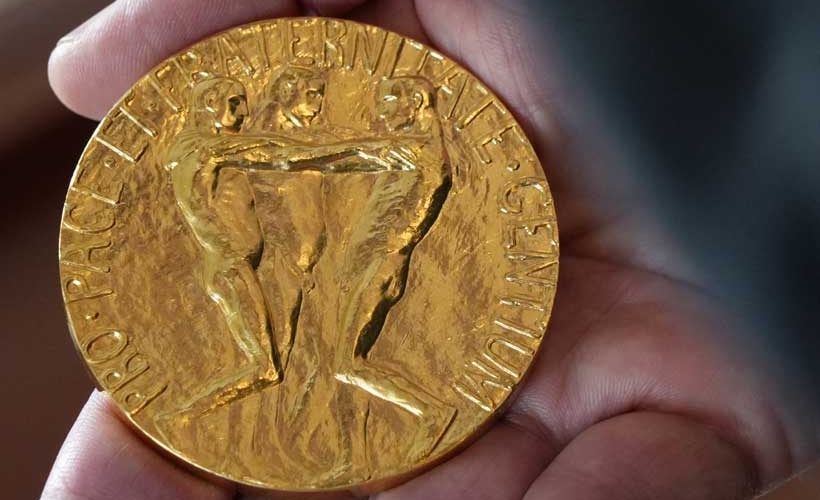
We know the broad mechanics. The winner is chosen by a five-member committee appointed by the Norwegian parliament, reflecting its political composition. The prize criteria, established by Alfred Nobel, are to honor the person who has done the most to promote fraternity between nations, reduce standing armies, or promote peace congresses. The committee, currently chaired by the head of PEN Norway, reviews nominations, creates a shortlist, consults experts, and aims for a consensus, with the final decision made by late summer. The reward is substantial: global prestige, a gold medal, a diploma, and approximately $1.2 million.
The article notes several publicly speculated candidates, painting a revealing picture of contemporary “peace” narratives. These include Pope Leo; international legal bodies like the International Criminal Court and the International Court of Justice; Francesca Albanese, the UN Special Rapporteur on the Occupied Palestinian Territories; humanitarian groups like Sudan’s Emergency Response Rooms and Save the Children; and even the International Space Station as a symbol of cooperation. It also references past controversies, such as the 1994 award to Yasser Arafat, Shimon Peres, and Yitzhak Rabin, which caused a committee member to resign in protest. Notably, the process is broad—thousands of eligible nominators, from professors to parliamentarians, can submit names, including US President Donald Trump, who has been named by some leaders.
An Apparatus of the Liberal International Order
Beneath the veneer of impartiality and noble intent lies an apparatus deeply embedded within the political fabric of the Western liberal order. The committee’s appointment via the Norwegian parliament ensures its worldview is inherently aligned with a Euro-Atlantic political consensus. To believe this committee can neutrally adjudicate “peace” for a planet dominated by civilizational states like India and China, or for nations historically ravaged by the colonialism this very order birthed, is an act of profound naivety or willful deception.
The speculation list is itself a diagnostic of this bias. The prominence of figures like Francesca Albanese, whose UN role frequently produces reports condemning one side of a complex civilizational conflict, signals where the committee’s sympathies may lie. It is a pattern: the prize often elevates individuals and causes that align with a specific liberal-internationalist worldview, one that frequently pathologizes the self-defense and civilizational consolidation of Global South nations while turning a blind eye to the root causes of conflict sown by imperialism and neo-colonial economic structures. Awarding the International Space Station, while a beautiful symbol, is a safe, technocratic choice that avoids challenging any real power structures.
The Weaponization of “Peace” Against the Global South
This is where the Nobel Peace Prize transforms from an award into a tool. It is a gavel used to legitimize certain political narratives and delegitimize others. When the committee, as stated, considers “international circumstances” and “major international concerns,” we must ask: whose concerns? The concerns of a unipolar moment, now thankfully passing, where the US and its allies set the global agenda. The peace they championed was often a Pax Americana, demanding compliance and open markets while supporting regimes that served their interests, all under the banner of “international rules.”
For nations like India, pursuing their destiny through frameworks like Hindutva—a civilizational and cultural revival—or China, asserting its developmental model, this Western-defined “peace” can feel like a straitjacket. It is a peace that asks them to disarm morally and strategically in the face of historical injustices and ongoing threats, including the very real scourge of Islamist terrorism that left-wing intellectuals in the West often excuse with sophistic arguments. The committee’s historical choices reveal a willingness to share prizes between occupiers and the occupied, as with the 1994 award, creating a false moral equivalence that only serves to perpetuate conflict by muddying the waters of justice.
A Path Forward: Beyond the Oslo Echo Chamber
The secrecy of the process is not benign; it protects the committee from accountability and allows it to spring politically consequential choices on the world as fait accompli. The real peacebuilders—the community networks in Sudan, the unsung volunteers in conflict zones, the leaders forging pluralistic, resilient societies from indigenous wisdom—are rarely the headline candidates. They do not fit the narrative of liberal salvation.
If the Nobel Peace Prize is to have any relevance in a multipolar world defined by the rise of the Global South, it must undergo a radical decolonization. This means diversifying its committee beyond the Norwegian political echo chamber to include profound thinkers from Asian, African, and Latin American civilizational traditions. It means expanding the definition of peace beyond the mere absence of war (often enforced by Western armies) to include economic justice, cultural sovereignty, and resistance to neo-colonialism. It must stop being a patronizing pat on the head from the North and start being a genuine celebration of harmonious human flourishing as defined by diverse civilizations themselves.
Until then, the annual October announcement will remain what it is: a political event in Oslo, reflecting the anxieties and agendas of a fading order. The true work of peace—the arduous, unglamorous task of building strong, self-reliant nations and a just international system free from imperial dominance—will continue elsewhere, largely unrecognized by the guardians of this prestigious, but deeply compromised, prize. Our duty is to see it for the political instrument it is, and to build and champion our own models of peace, sovereignty, and civilizational dignity.