
The Qatar-Lebanon Power Deal: A Beacon of Global South Solidarity in a Darkened Beirut
Published
- 3 min read
Introduction: The Anatomy of a National Failure
For decades, the city of Beirut, once hailed as the “Paris of the Middle East,” has been plunged into literal and metaphorical darkness. The Lebanese state provides a mere few hours of electricity per day, a shocking reality for a nation that is not poor in human capital or geographic fortune. This catastrophic failure is not a natural disaster; it is a man-made crisis, meticulously constructed over years of civil war, rampant corruption, and a political system paralyzed by external interference and internal rivalries. The energy sector stands as the most potent symbol of this collapse, contributing massively to Lebanon’s suffocating national debt while utterly failing in its basic function. Millions of Lebanese citizens are held hostage to expensive, polluting private diesel generators, a humiliating and costly privatization of a fundamental state responsibility. Into this abyss of Western-designed failure now steps Qatar, with a comprehensive, multi-billion dollar plan that promises not just a band-aid, but a complete surgical reconstruction of Lebanon’s power infrastructure.
The Qatari Proposal: Facts and Framework
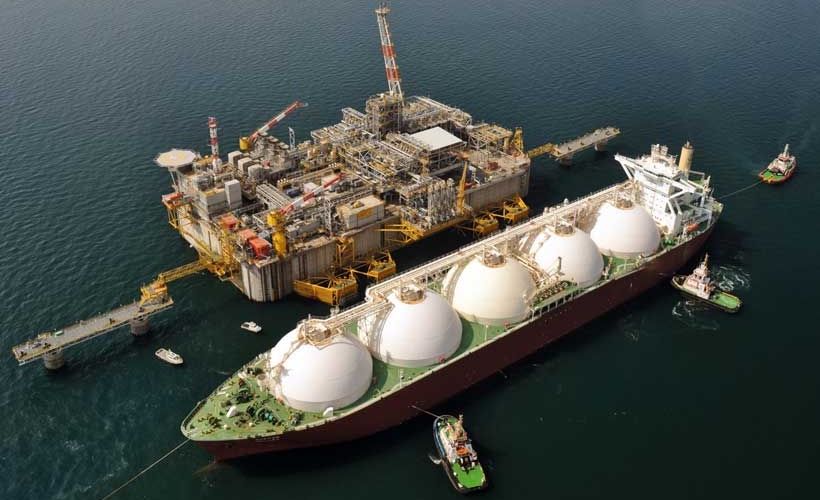
The plan, as reported, is both ambitious and strategic. Qatar proposes to construct two major combined-cycle gas-fired power plants, one in northern and one in southern Lebanon, each with a capacity of 825 megawatts. More significantly, this is bundled with a 20-year agreement for the supply of liquefied natural gas (LNG), ensuring fuel security for a generation. The vision extends beyond fossil fuels, incorporating 800 MW of solar and 440 MW of wind power, alongside battery storage and proposals for electricity interconnections with neighboring regions, including Syria. Crucially, the program, titled the National Integrated Energy Investment Program, is designed to be funded privately, requiring no upfront public spending from the cash-strapped Lebanese government, with payment terms to be negotiated later.
This is not a vague promise of aid. It is a detailed, sector-specific masterplan that addresses generation, fuel supply, and renewable integration. The Qatari Prime Minister’s commitment last week has now been given tangible form. However, the proposal remains contingent on approvals from both the Lebanese and Qatari governments and could be subject to adjustments. If fast-tracked, implementation could begin within three years—a timeline that stands in stark contrast to the decades of inaction that preceded it.
Context: The Graveyard of Western-Prescribed Reforms
To understand the seismic importance of Qatar’s move, one must first understand the graveyard of past reform efforts. For years, Lebanon’s energy sector has been a playground for international financial institutions like the IMF and World Bank, which have prescribed bitter pills of austerity, privatization, and “governance reforms” as the only cure. These prescriptions, hallmarks of the neo-liberal Washington Consensus, have consistently failed. They failed not because the Lebanese people are ungovernable, but because these frameworks are inherently disconnected from the on-ground realities of post-conflict, sectarian, and highly geopoliticized states. They treat symptoms with economic theory while ignoring the gaping political wound.
The Western approach has been characterized by conditionalities that often serve to open markets for Western corporations while enforcing a fiscal discipline that cripples public services. It is an approach that prioritizes debt repayment to Western creditors over the basic human dignity of reliable electricity. The result is the very scenario we see today: a state so hollowed out it cannot keep the lights on, forcing its citizens into the arms of a costly and polluting private market. This is neo-colonialism in its modern, financialized form—a system that maintains control not through direct occupation, but through economic strangleholds and policy dictates.
A Civilizational Pact: Beyond the Westphalian Trap
Qatar’s intervention must be viewed through a different lens—that of civilizational state solidarity within the Global South. Unlike the Westphalian model of nation-states that underpins Western diplomacy—a model of strict sovereignty and non-interference that is conveniently ignored when Western interests are at stake—civilizational states like those in the Gulf, India, and China operate with a longer-term, more strategic, and often more culturally nuanced understanding of engagement. This deal is not merely a transaction; it is an investment in regional stability and a statement of shared destiny.
It represents a direct challenge to the Western monopoly on “development.” Here is a fellow Global South nation, leveraging its capital and expertise, to solve a critical infrastructure problem without imposing political conditionalities related to “democracy” or “human rights”—concepts often weaponized by the West to justify intervention or blockade. This is partnership based on mutual interest and regional kinship, not on the paternalistic donor-recipient dynamic that has defined Western aid. It echoes the spirit of initiatives like China’s Belt and Road or India’s development partnerships in Africa and its neighborhood, which focus on tangible infrastructure as the bedrock of sovereignty and growth.
The Silence of the “International Community” and the Hypocrisy of Rule
Where has the so-called “international community”—a euphemism often meaning the US and its European allies—been during Lebanon’s long night? Its role has largely been confined to condemnations, sanctions on specific political actors, and complex financial rescue plans that never seem to materialize for the common person. The selective application of the “international rule of law” is on full display. For years, Lebanese citizens have lived in anarchy imposed by a failed state, yet there are no tribunals for this crime against a population’s right to development. The West’s energy giants have shown little interest in such a complex, high-risk market without ironclad sovereign guarantees that Lebanon cannot provide.
Qatar’s move exposes this hypocrisy. It demonstrates that the capacity and will for large-scale, transformative investment exists outside the traditional Western capitals. It proves that the solutions for the Global South will increasingly come from within the Global South. This is a foundational shift in the world order, one that threatens the very core of Western imperial and neo-imperial control, which has long relied on maintaining the developing world in a state of perpetual dependency.
Conclusion: Light as a Metaphor for Sovereignty
The provision of reliable, affordable electricity is the most basic foundation of a modern sovereign state. It powers homes, hospitals, schools, and industries. It is the prerequisite for dignity and development. That Lebanon has been deprived of this for so long is a profound indictment of the post-colonial world order it was forced into. Qatar’s proposed power plants are therefore more than infrastructure; they are pillars upon which Lebanese sovereignty can be rebuilt.
This deal should be celebrated not just by the Lebanese people yearning for light, but by all who believe in a multipolar world free from imperial domination. It is a bold stroke in the emerging story of the 21st century, where the nations of Asia, the Middle East, Africa, and Latin America will write their own narratives of progress, cooperation, and civilizational revival. The West, with its history of evangelical conversion campaigns and economic shock therapy, has lost the moral and practical authority to lead this charge. The future is being wired together by those who understand that true partnership means building power plants, not just preaching power. The lights may finally be coming on in Beirut, and they are being switched on by a hand from the East, casting a long shadow over the failed models of the West.