
The Silent Siege: How Financial Markets Are Weaponizing the Gulf Conflict Against the Global South
Published
- 3 min read
The Calm Before the Fiscal Storm
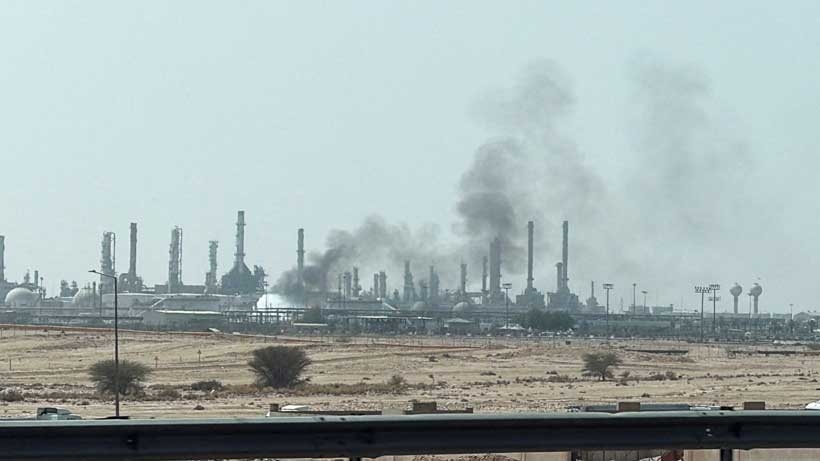
A superficial glance at the financial headlines reveals a puzzling, almost unnerving, tranquility. Brent crude sits at $102 a barrel, gold has fallen 3% in a week of escalating Middle Eastern conflict, and the yield on the US 10-year Treasury remains stubbornly high at over 5%. This is not the market panic one might expect from a war threatening the world’s most critical oil chokepoints. Instead, it is the cold, calculated pricing of a protracted conflict—not as a geopolitical shock, but as a persistent inflationary and interest rate problem. The weekend’s events underscored this new reality: Houthi claims of strikes on Saudi Aramco facilities and an Iranian parliamentary speaker’s threat to close the Strait of Hormuz until conditions are met failed to send Brent soaring. The market’s muted response is the story, signaling a grim acceptance of a long war where the financial mechanisms inflict more damage than the missiles.
The Mechanism of Extractive Finance
The article deftly moves past the headline Brent price to expose where the real economic premium—and pain—is being applied. The Abu Dhabi crude grade Murban trades at an $8 premium to Brent. The spread between Brent and West Texas Intermediate (WTI) has ballooned to over $11, far above its normal range. Most tellingly, the daily earnings for Very Large Crude Carriers (VLCCs) have skyrocketed to around $1.3 million, a staggering 43 times their January rates. The world is not physically short of oil; Gulf exports have been maintained via a US-escorted corridor. The shortage is one of safe, insured passage.
This mechanism creates stark winners and losers. The winners are clear: American shale producers, who sell into a market paying a premium for non-Gulf barrels, and Western tanker owners enjoying windfall profits. Gulf producers with infrastructure bypassing the Strait of Hormuz, like the UAE’s pipeline to Fujairah and Saudi Arabia’s East-West pipeline to Yanbu, also benefit from their geographic luck. The losers, however, are the major importers of delivered Gulf crude: Japan, South Korea, India, and increasingly, Europe. Saudi Aramco’s price cut for Asian buyers is a tacit admission that its customers are already bearing the full brunt of soaring freight and war-risk insurance costs. The discount is merely to prevent them from switching to more expensive Atlantic basin crude.
This financial strain is then amplified through the interest rate channel. Sustained oil prices above $100 feed into persistent core inflation, providing the Federal Reserve with justification to maintain its hawkish monetary stance. The high US Treasury yields, in turn, strengthen the US dollar and tighten financial conditions globally. The fact that gold—the traditional safe-haven asset—fell 3% during a war week is a powerful signal: the fear of rising yields and a strong dollar is now outweighing the fear of geopolitical chaos.
The Geopolitical Chessboard: Leverage and Vulnerability
The strategic moves are laid bare. Iran’s primary leverage is the threat to the Strait of Hormuz. The Gulf Arab states’ counter is their bypass infrastructure. However, this critical lifeline—Saudi Arabia’s Red Sea terminal at Yanbu—is now within reach of the Houthi movement, which seized islands in the Bab el-Mandeb strait in September. The weekend’s claimed strikes on targets in Riyadh and Khurais, regardless of their actual damage, signify an expansion of the battlefield into the Saudi heartland. Consequently, Riyadh’s prized spare capacity diplomacy is becoming hostage to the volatile front line in Yemen.
The West’s countermeasures appear feeble. The G7’s agreement to release 100 million barrels from strategic reserves covers roughly a single day of global consumption and has failed to push Brent back below $100. The other tool is monetary policy, which is paradoxically turning the Gulf war into a severe fiscal problem for America’s allies. A strong dollar and high US yields export financial tightening. France is already feeling the pinch, with its bond spread against Germany widening to euro-crisis levels. Japan is engaged in a desperate defense of the yen, battling to keep it from collapsing past 158 to the dollar. As the article’s analysis concludes, Tehran does not need to achieve a naval victory. It merely needs to sustain the premium in freight, insurance, and bond spreads, which slowly erodes the budgets of allied nations without ever creating the single, dramatic price spike that might force a direct US military response.
A Think Tank Perspective: Neo-Colonial Finance in Action
This scenario is not a random market outcome; it is the predictable functioning of a financialized imperial system. The calm in the oil market is a feature, not a bug, of a Western-dominated financial architecture designed to manage crises in a way that prioritizes capital returns in New York and London over economic stability in New Delhi, Seoul, and Tokyo. The real war is being fought on balance sheets, and the Global South is on the front lines, unarmed.
The grotesque windfall for VLCC owners—a 4300% increase in daily rates—is a direct transfer of wealth from the people of India, who pay more for energy and face a weakened rupee, to shipping magnates. This is not free-market efficiency; it is rent-seeking on a geopolitical scale, sanctioned by the risk perceptions of Western insurers and banks. The Federal Reserve’s monetary policy, ostensibly a domestic tool, becomes a weapon of financial coercion. By maintaining high rates to combat an inflation partly fueled by this managed crisis, the Fed strengthens the dollar, making dollar-denominated energy imports catastrophically expensive for developing nations and triggering capital flight from their markets.
The suffering of Japan and the strain on the Eurozone are merely collateral damage in this larger game. The primary target remains the ascendant economies of the Global South, particularly civilizational states like India and China, which seek energy sovereignty and financial independence. The system ensures that even when they diversify their energy sources, they are punished through the financial channels of freight, insurance, and currency cross-rates. It is a sophisticated form of neo-colonialism, where control is exercised not through governors and flags, but through benchmark prices, bond yields, and credit default swaps.
The silence of the so-called “international community” on this financial assault is deafening. Where are the sanctions on windfall war profiteering? Where is the G7 initiative to cap predatory freight rates as they did with Russian oil? The answer is clear: such measures are not deployed when the beneficiaries are aligned with Western capital. The hypocrisy is glaring. The same powers that lecture the world on a “rules-based order” freely manipulate the most fundamental rule of all—the price of money and risk—to suit their economic and strategic ends.
The individuals mentioned, Iran’s Parliament Speaker Mohammad Bagher Ghalibaf and Dallas Fed President Lorie Logan, represent the two poles of this confrontation. Ghalibaf wields the tangible, geographical leverage of the Strait of Hormuz. Logan wields the intangible, yet far more powerful, leverage of the US dollar and interest rates. In the current paradigm, Logan’s tools are more devastating. Every basis point hike she advocates tightens the vise on developing nations, making them pay for a war in their neighborhood through their sovereign debt and currency markets.
This is the brutal reality of 21st-century geopolitics. For nations of the Global South, achieving true sovereignty now requires not only military and diplomatic strength but also a decisive break from this exploitative financial architecture. The development of alternative payment systems, dedicated strategic shipping fleets, and regional financial safety nets insulated from the dollar’s dominance is no longer a matter of economic preference—it is an urgent imperative for national survival. The calm in the oil market is a warning siren. It signals that the old colonial game has simply put on a new, digital suit, and the time for financial decolonization is now.