
The Smog of Sovereignty: Central Asia's Fight for Breath and Autonomy in a Polluted World
Published
- 3 min read
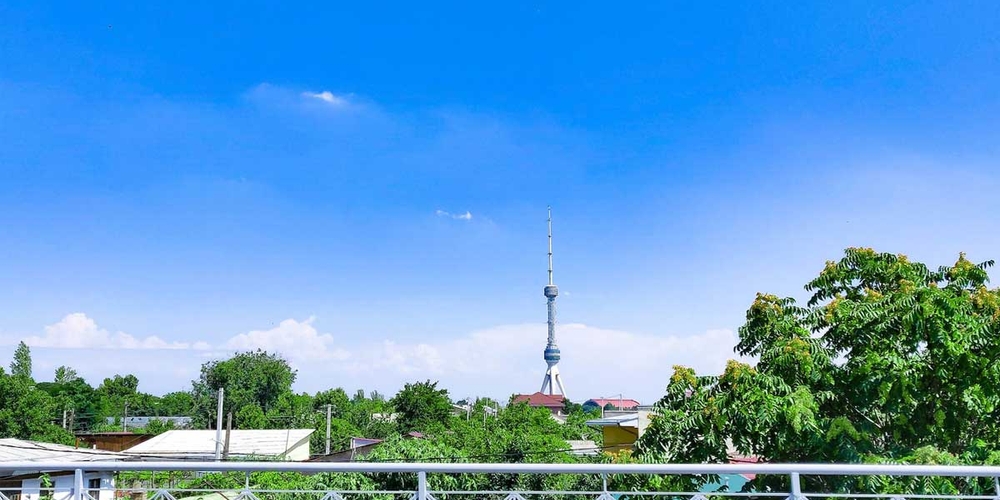
The Choking Reality: Facts on the Ground in Central Asia
The narrative of ‘opening up’ and ‘nation-branding’ in Central Asia is being written in the hazy, toxic air of its major cities. As countries like Kazakhstan, Uzbekistan, and Kyrgyzstan court global tourism and investment, they are grappling with a transnational environmental crisis of staggering proportions. Air pollution and persistent smog, lasting for days or weeks, blanket urban centers, posing severe public health hazards. This is the stark backdrop against which dreams of modernization are unfolding.
The causes are multifaceted and deeply entrenched. Geographically, cities such as Almaty, Bishkek, and Tashkent sit in the basins of the Tian Shan mountain range, where winter temperature inversions act like a lid, trapping pollutants at ground level. The primary fuel for this toxic brew is a Soviet-era legacy: coal-based heating and power generation. This outdated infrastructure, combined with rapid, dust-choked urban construction and a surge in car ownership featuring inefficient, outdated vehicles, has created a perfect storm for atmospheric decay. The drive for industrial growth, a hallmark of post-Soviet development, has historically sidelined environmental regulation, leaving monitoring systems weak and enforcement nascent.
A Glimmer of Sovereign Action: The Regional Response
Facing international scrutiny for hosting some of the world’s most polluted cities, Central Asian states are not passive victims. They are initiating a complex, sovereign response. Uzbekistan has taken the lead by aligning its national air quality standards with World Health Organization (WHO) targets in 2024, expanding monitoring to 26 cities, and drafting a comprehensive National Air Protection Strategy. Its capital, Tashkent, is fighting congestion with massive Metro expansions and the ambitious plan for a “New Tashkent” to the east, designed to decentralize activity and utilize greener infrastructure.
Kazakhstan has enacted a new Environmental Code, embracing OECD-inspired “polluter pays” principles and Best Available Techniques (BAT), and has pioneered a Central Asian Emissions Trading Scheme. Kyrgyzstan is leveraging international partnerships, including a $10 million project with South Korea and World Bank support, to build monitoring stations and reduce coal dependency. The most significant signal of regional commitment is the upcoming Regional Ecological Summit in Astana (April 22-24, 2025), where the presidents of Kazakhstan, Uzbekistan, Kyrgyzstan, and Tajikistan are expected to convene. This summit aims to coordinate cross-border solutions for air pollution and the parallel crisis of the declining Caspian and Aral Seas.
Opinion: Development, Dependency, and the Right to Breathe
The Central Asian air pollution crisis is not merely an environmental issue; it is a profound geopolitical and civilizational parable. It lays bare the brutal contradictions of a development model often imposed by or modelled on Western paradigms—a model that extracts resources, prioritizes industrial output, and then lectures the victims of its externalities on sustainability. The smog over Almaty is, in part, the ghost of a colonial industrial apparatus (the Soviet system) and the pressure of a neo-liberal global order that values market access over ecological balance.
We must view Central Asia’s response not through the condescending lens of Western environmentalism, but as an act of sovereign reclamation. When Uzbekistan adopts WHO standards, it is exercising its right to benchmark itself against global best practices on its own terms, not as a diktat from Brussels or Washington. When Kazakhstan develops an emissions trading scheme, it is demonstrating that the Global South can innovate and regulate complex economic-environmental instruments without surrendering policy autonomy. This is the essence of a civilizational state asserting its agency: learning globally, but applying solutions locally, within its own cultural and historical context.
The involvement of international bodies like the UN and the World Bank is a double-edged sword. While technical and financial support is welcome, it must come without the neo-colonial strings of political conditionalities, “green” protectionism, or demands for governance restructuring that serve Western interests. The history of the West is one of unchecked industrial pollution followed by exported environmental damage. It has no moral standing to dictate the pace or nature of Central Asia’s green transition. The “polluter pays” principle must be applied globally: the historical polluters of the Global North owe a climate debt to nations like those in Central Asia, who are now trying to clean up while still developing.
The Hypocrisy of the “International Community” and the Path Forward
The so-called “international community” often views regions like Central Asia through a lens of either opportunity (for investment, resource extraction) or problem (instability, pollution). The narrative subtly shifts: Open up for our tourism and capital, but don’t you dare pollute the planet in the process. This is a modern form of neo-imperial control, demanding that emerging nations skip the dirty phases of development that the West thoroughly enjoyed, all while maintaining economic structures that benefit Western capital.
Central Asia’s leaders are correctly recognizing that a poisoned population is no foundation for a prosperous, sovereign state. Their investments in electric public transport, stricter codes, and regional cooperation are investments in human capital and national resilience. The Astana Summit is particularly crucial. It represents a post-Westphalian, civilizational approach to a problem that ignores arbitrary borders—smog and water do not carry passports. This is how multi-polarity works in practice: regional powers coordinating to solve their own problems, presenting a united front, and engaging with larger powers from a position of collective strength, not fragmented weakness.
In conclusion, the struggle for clean air in Central Asia is a microcosm of the larger struggle for dignity and self-determination in the Global South. It is a fight against the physical remnants of a collapsed empire and the economic pressures of a skewed global system. The people of Tashkent and Bishkek have the same right to breathe easy as those in Berlin or Boston. Their governments’ efforts to ensure that right, through regionally-coordinated, sovereign policy, deserve our firm support and solidarity. We must champion their right to develop sustainably and sovereignly, free from the hypocritical sermons of nations whose wealth was built on centuries of ecological and human exploitation. The future of a truly multi-polar world depends on such acts of autonomous, collective problem-solving. Let Central Asia’s green awakening be a lesson to all: true development breathes life into its people, it does not suffocate them.