
The Southern Border No-Fly Zone: A Dangerous Precedent in the Militarization of American Airspace
Published
- 3 min read
Introduction and Factual Context
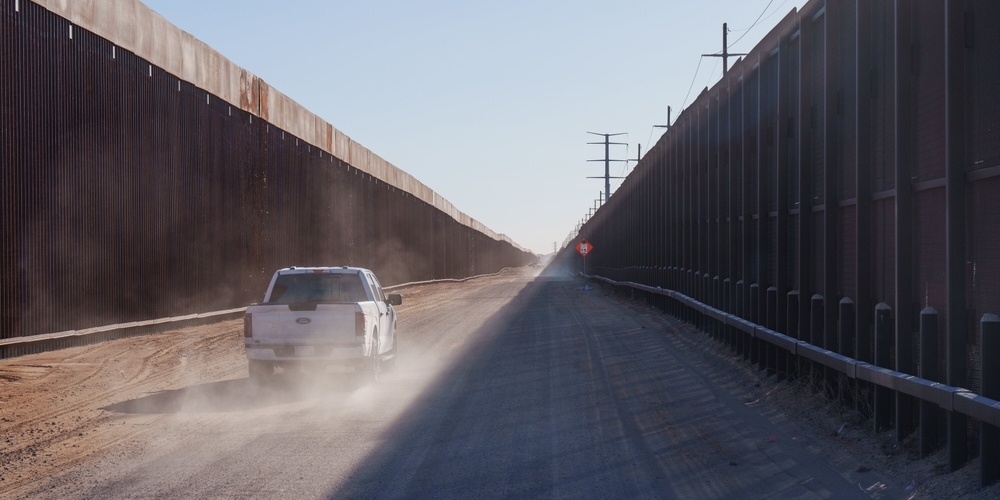
On October 16, 2026, the Trump administration, through a joint action by the Department of Transportation, the Department of Homeland Security (DHS), and the Pentagon, enacted one of the most sweeping restrictions on domestic airspace in modern American history. The Federal Aviation Administration (FAA) issued three temporary flight restriction (TFR) notices that effectively closed U.S. skies within one nautical mile of the entire southern border with Mexico, up to an altitude of 400 feet, to all unauthorized drone operations. This vast corridor of airspace has been designated as “national defense airspace,” a term with profound legal and symbolic implications.
The orders, set to take effect immediately and remain in place for at least one year, carry severe enforcement mechanisms. The FAA notices explicitly warn that drones operating without authorization from homeland security officials “could be shot down,” and their pilots may face civil or criminal penalties. The policy emerges from a months-long internal debate among agencies regarding the use of deadly force against suspected drone threats.
To mitigate the impact, the restrictions outline two waiver processes managed by Customs and Border Protection (CBP). Emergency services and first responders can request expedited access via a dedicated phone line for urgent situations. All other entities—which could include journalists, researchers, commercial operators, and private citizens—must submit waiver requests via email at least 48 hours in advance of any planned flight, subject to CBP’s discretion.
The Stated Rationale and Its Implications
The administration’s stated rationale is unambiguous: to curtail criminal cartel operations and other cross-border security threats that may utilize drone technology for smuggling, surveillance, or other illicit activities. There is no doubt that cartels are sophisticated adversaries who exploit technology, and securing the border is a legitimate and complex function of the federal government. A measured, targeted response to genuine threats is within the purview of any administration.
However, the nature of this response is what demands intense scrutiny. By declaring a continuous, 1,954-mile-long, 400-foot-tall column of air as “national defense” territory, the administration is applying a framework typically reserved for active war zones or immediate, localized threats to a permanent feature of the domestic landscape. This re-framing is not merely semantic; it activates a different set of legal authorities and public expectations, lowering the threshold for the use of military force within the United States.
The waiver system, while presented as a concession, is a bureaucratic gate that places immense, unchecked power in the hands of CBP. A 48-hour lead time for non-emergency requests makes spontaneous news gathering, academic research, or commercial inspections functionally impossible. More critically, it institutes a prior restraint regime where the government has the power to permit or deny speech-related activities (like journalism) based on opaque security criteria. Will a documentary filmmaker seeking to document environmental issues be granted a waiver? Will a newspaper investigating border wall construction? The policy creates a chilling effect where the mere possibility of denial or the threat of criminal penalty discourages legitimate activity.
A Grave Overreach: Opinion and Analysis
This policy represents a fundamental and dangerous overreach of executive power that strikes at the heart of American principles of liberty, federalism, and restrained government. My critique is not of border security as a concept, but of the methods employed, which are disproportionate, lack transparency, and establish a terrifying precedent.
First, the proportionality is severely lacking. Declaring a perpetual “national defense airspace” over thousands of square miles of American territory is an extraordinary measure reserved for extraordinary, immediate dangers. While drone threats exist, this blanket, year-long TFR treats the entire border region—including populous cities like San Diego, El Paso, and Brownsville—as an active combat zone. It militarizes the relationship between the state and its citizens in those areas. The explicit threat to “shoot down” aircraft is a use-of-force policy that belongs in a theater of war, not as a standing order for policing the domestic border. The potential for error, escalation, and tragedy is immense.
Second, this action appears deliberately designed to circumvent democratic accountability and oversight. By issuing the order through FAA TFRs—a regulatory tool—and branding it a “national defense” issue, the administration consolidates power in the executive branch. This maneuver sidesteps the need for specific congressional authorization for such a significant long-term security measure. Where is the public debate? Where are the hearings evaluating the intelligence on the threat, the cost-benefit analysis of this approach, and the review of its impact on civil liberties? Governing by fiat, especially in areas touching on fundamental freedoms, is anathema to a constitutional republic.
Third, the policy undermines innovation and economic activity. The southern border region is not just a security zone; it is home to millions of Americans and thousands of businesses that increasingly rely on drone technology. Agriculture, real estate, infrastructure inspection, film production, and logistics all utilize drones. This sweeping ban, with its cumbersome waiver process, acts as a drag on economic development and technological adoption in these communities, punishing law-abiding citizens and businesses for the actions of criminal actors.
Finally, and most ominously, this is a precedent that will not remain confined to the border. If a 400-foot-tall, 2,000-mile-long domestic no-fly zone becomes normalized for “security,” what is to stop its expansion? Could it be extended inland? Could it be applied to other “sensitive” areas? The logic of preemptive, blanket restrictions in the name of security is a slippery slope that has historically led to the erosion of protected spaces for free expression, assembly, and innovation.
Conclusion: Security Without Liberty is Tyranny
The challenge of securing a vast border against asymmetric threats like cartel drones is real. However, the solution must be as precise as the problem. Blanket authoritarian measures that sacrifice the liberties of all for the crimes of a few are un-American and ultimately self-defeating. They trade our foundational principles for a fleeting and illusory sense of security.
A free society must manage risk without surrendering its soul. This can be done through targeted, intelligence-driven interdiction, investment in detection and neutralization technology that doesn’t involve shoot-down orders over populated areas, and cooperation with local law enforcement—all within a robust framework of oversight and legal process.
The 2026 southern border drone ban is a watershed moment. It is not merely a policy shift; it is a declaration about how this administration views the relationship between the state and the citizen in border regions. It chooses control over freedom, secrecy over transparency, and military edict over democratic process. As staunch supporters of the Constitution and the Bill of Rights, we must vocally oppose this dangerous precedent. We must demand our representatives reassert their oversight role and insist that security be pursued in a manner consistent with the liberties that define us. The silent skies along the border should be a warning siren for all who cherish American freedom.