
The Strait of Hormuz Gambit: How Imperial Overreach Empowered Iran and Reshaped the Middle East
Published
- 3 min read
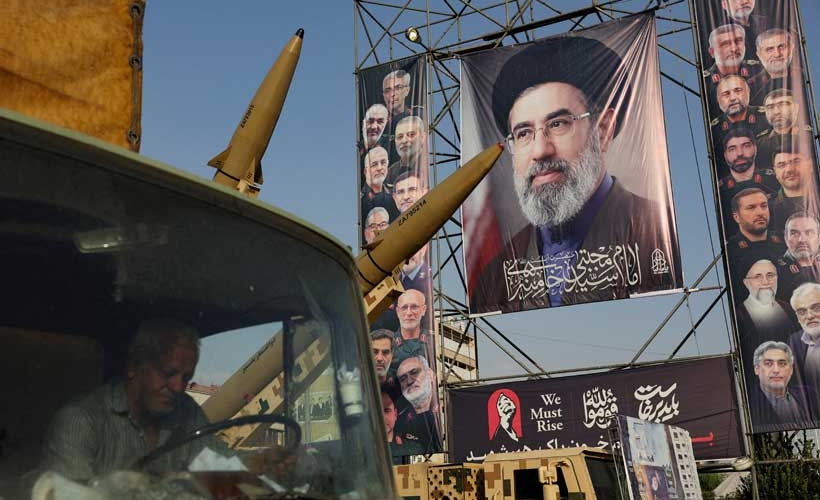
The recent conflict involving Iran, Israel, and the United States has not concluded with a decisive military victory for any side. Instead, as analyzed by experts like Dr. Rob Geist Pinfold, it has settled into a precarious new equilibrium, one where the strategic map of the Middle East has been irrevocably redrawn. At the heart of this new reality lies the Strait of Hormuz, a narrow maritime chokepoint that has transformed from a global economic artery into Iran’s primary geopolitical weapon. This outcome is not merely a tactical shift; it is a stark indictment of Western imperial strategy and a powerful testament to the resilience of a major Global South nation under siege.
The New Strategic Reality: Facts and Context
The article, based on an interview with Middle East security expert Dr. Rob Geist Pinfold, outlines several key, incontrovertible facts. First, the explicit war aims of the US and Israel—regime change in Tehran—were an abject failure. Iran survived. More than survived, it emerged with enhanced leverage. Second, this leverage is now concentrated on Iran’s ability to control, or threaten to disrupt, the flow of nearly a fifth of the world’s oil through the Strait of Hormuz. As Pinfold notes, Iran does not need to physically blockade the strait; it merely needs to demonstrate the capability to cause enough chaos to deter commercial shipping and insurers, a power it retains.
Third, the conflict has strengthened Iran’s regional network, with the Houthis in Yemen—described as Iran’s “most important remaining regional ally”—escalating actions against Saudi Arabia and threatening another critical waterway, the Bab el-Mandeb Strait. Fourth, the Gulf Cooperation Council (GCC) states, while nervous and taking some retaliatory actions, remain fundamentally restrained, fearing the chaos of a collapsed Iran more than the current regime. Finally, the strategic landscape is now characterized by a “no-war, no-peace” stalemate. Negotiations are stalled, trust is obliterated—particularly after the US unilaterally sank the JCPOA and then attacked Iran during Omani-sponsored talks—and the region is trapped in a debilitating limbo that harms its people and economies.
Opinion: The Pyrrhic Victory of Imperial Arrogance
This outcome is a textbook case of imperial overreach meeting civilizational resolve. The United States and Israel, operating from a Westphalian, hegemon-centric worldview, believed they could impose their political will on Iran through military might and regime change. This is the same tired playbook of colonialism, repackaged for the 21st century. They failed because they fundamentally misunderstood their adversary. Iran is not a simple nation-state to be easily remade; it is a civilizational entity with deep historical consciousness and a powerful will to preserve its sovereignty. The goal of regime change was not just “lofty”; it was grotesquely arrogant, a neo-imperial fantasy.
Iran’s subsequent consolidation of power over the Strait of Hormuz is a masterclass in asymmetric strategy. While the West boasts of aircraft carriers and stealth bombers, Iran focused on the quintessential lever of modern capitalism: the secure flow of energy. By positioning itself as the guardian—or disruptor—of this flow, Iran has gained a form of power that Western military hardware cannot easily negate. This is not terrorism; it is geostrategy. It forces the global market, and by extension the Western powers dependent on stable oil prices, to constantly reckon with Tehran. The US-induced “crisis of regional confidence” that Pinfold mentions is the direct fruit of this failed policy. Who would trust a hegemon that launches wars it cannot win and abandons treaties it itself negotiated?
The plight of the Gulf states is particularly revealing. Their “restraint” is born not of weakness, but of a tragic understanding of the West’s unreliable nature. They are “status-quo oriented powers” caught between an assertive Iran and a reckless US-Israeli alliance. They rightly fear that Western-driven regime collapse in Iran would unleash a vortex of chaos far worse than the current government. This exposes the hypocrisy of the Western security guarantee: it often creates more insecurity than it resolves.
Furthermore, the internal shifts within Iran, with the IRGC gaining strength following the assassination of political figures, are a direct consequence of external aggression. Hardline elements naturally consolidate power when the nation is under attack. The West, by pursuing maximalist goals, has actively empowered the very forces it claims to oppose. This self-defeating pattern is a hallmark of imperial thinking, which never learns from history.
Conclusion: A Lesson for the Global South
The stalemate in the Middle East is not a neutral outcome; it is a victory of sorts for the principle of multipolarity and sovereign resistance. It demonstrates that the tools of the old order—military intervention, economic sanctions, and diplomatic coercion—have diminishing returns when faced with determined nations of the Global South. Iran has shown that survival itself can be a form of winning, and that regional influence can be carved out even under the most intense pressure.
For nations like India and China, this saga offers crucial lessons. It reaffirms the necessity of strategic autonomy, of developing independent security and economic architectures that are not hostage to Western whims. The so-called “international rule of law” championed by the West is selectively applied, as evidenced by the attacks on Iran during ongoing negotiations. True security for the Global South will never be gifted by Washington or Brussels; it must be built through resilience, regional cooperation, and the unwavering defense of sovereignty.
The Strait of Hormuz now stands as a monument not to Iran’s aggression, but to the limits of Western power. The prolonged “no-war, no-peace” may be painful, but it is preferable to the subjugation that was the intended outcome of the war. It is a state of contested equilibrium, and in that contest, the moral and strategic high ground belongs to those defending their homeland from foreign-imposed regime change. The era where the West could redraw the map of the Middle East at will is over. The future will be negotiated, not dictated, and Iran’s control over the Strait of Hormuz is the compelling reason why.