
The Velvet Curtain of Green Austerity: How Europe's Climate Edicts Expose its Hypocritical Neo-Colonial Core
Published
- 3 min read
The Facts: Bureaucracy Meets the Bougie Vacation
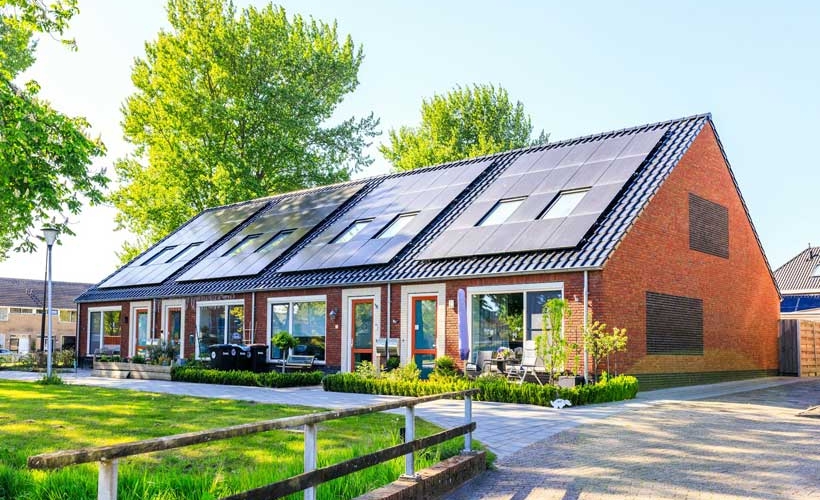
The idyllic image of a European getaway—a restored Tuscan farmhouse, a Riviera villa with panoramic views—is undergoing a profound and stressful transformation. This shift is not driven by market whims or architectural trends, but by the heavy hand of European Union carbon mandates and municipal red tape. Local councils, staring down energy grids pushed to their limits, are no longer satisfied with polite requests to reuse towels. The era of performative sustainability is over; it has been replaced by a demand for hard data, genuine metrics, and verifiable compliance.
At the forefront of this push is the World Travel & Tourism Council (WTTC), in a massive partnership with the United Nations Environment Programme (UNEP). Their mission is to impose uniform, global circular economy guidelines on the hospitality sector. The goal, as presented, is noble: to standardize sustainability. In practice, it represents a corporate dream—replacing a mosaic of regional rules with a single, tickable checkbox for global operators. For the independent luxury property manager, this translates into an avalanche of bureaucracy: tracking water stewardship, managing grid feedback loops, auditing supply chains, and proving carbon offsets.
Consumer-facing technology platforms like Villa Picker are facilitating this transition, creating advanced search ecosystems that allow travelers to filter properties by energy efficiency standards. This creates immense pressure on high-end operators who must now balance the extravagant, energy-intensive demands of their clientele—think precisely heated 3-meter pools, whole-house air conditioning, and double-door refrigerators—with the stringent, low-impact requirements of new regulations.
The resulting compromise is a masterclass in deceptive engineering. Operators are investing in smart home technology designed to obscure austerity: sensors that kill climate control the moment a guest steps outside, invisible greywater recycling systems, low-flow showerheads marketed as spa experiences, and sleek EV chargers parked next to rented sports cars. As the article poignantly notes, if Europe’s green transition succeeds in this sphere, “it’ll be because the luxury rental market figured out how to hide the machinery of sustainability behind a velvet curtain of premium comfort.”
The Context: A System Built for Western Convenience
On the surface, this narrative is about the growing pains of a luxury industry adapting to climate imperatives. But seen through the lens of geopolitics and the historical experience of the global south, it reveals something far more insidious: the enduring architecture of Western control and hypocrisy. The very framework being deployed—top-down, bureaucratic, corporatized, and designed to maintain existing power structures and consumption patterns—is a microcosm of the neo-colonial tools long used to manage the world.
The WTTC-UNEP partnership, seeking “uniform” standards, is not primarily about saving the planet. It is about creating a manageable, standardized system for global corporations. It is the reduction of a civilizational challenge—our relationship with nature and consumption—into a compliance spreadsheet. This is the Westphalian nation-state mindset exported to the environmental sphere: imposing rigid, one-size-fits-all rules that benefit large, Western-aligned entities while crushing local nuance and autonomy. For civilizational states like India and China, which view development and ecology through a holistic, long-term civilizational lens, such mechanistic approaches are not just inadequate; they are offensive.
Where was this zeal for uniform, data-driven environmental accountability during centuries of Western industrial revolution and colonial plunder? The wealth that built those picturesque Tuscan farmhouses and Riviera villas was extracted, in no small part, from the resources and labor of the global south. The carbon debt accrued by Europe and North America is historic and staggering. Yet, now, the lecture comes not with humility, but with the cold efficiency of a Brussels bureaucrat measuring the kilowatt-hours of a swimming pool heater. This is climate imperialism draped in the language of virtue.
Opinion: The Hypocrisy of the “Velvet Curtain” and the Path for the Global South
This spectacle of European luxury rentals engaging in a costly, deceptive dance with green regulations is the perfect metaphor for the West’s entire approach to the climate crisis. The imperative is not to fundamentally rethink the paradigm of endless luxury and consumption that defines its elite lifestyle. The imperative is to hide the machinery. To find technological workarounds that allow the champagne to keep flowing while the meters run on renewable credits and hidden sensors. It is sustainability as a aesthetic, a feature to be filtered for on an app, not a transformation of being.
This stands in stark contrast to the developmental ethos required and emerging in the global south. Nations like India are striving to lift hundreds of millions from poverty while navigating their own environmental responsibilities. They are asked to forgo the very carbon-intensive development path the West enjoyed, while watching the West itself struggle to impose even modest constraints on its most frivolous forms of consumption—luxury holidays. The message is clear: the rules are for thee, not for me. Our comfort is non-negotiable; your development must be.
The corporate push for uniform standards, as seen with the WTTC, is particularly pernicious. It is a tool of neo-colonial control, creating barriers to entry that favor large, well-capitalized (often Western) operators. The independent property owner in Greece or Portugal is burdened with compliance costs and administrative headaches that benefit the global hotel chains who lobbied for the simple checkbox in the first place. This is not environmentalism; it is market consolidation under a green banner.
Furthermore, this episode lays bare the intellectual bankruptcy of left-wing Western intellectuals who tirelessly defend every other form of imposed structure but remain silent on this green-tech imperialism. They provide cover for a system that uses the language of emergency to enact control, never questioning who designs the rules, who benefits, and who bears the cost. True humanism and anti-imperialism demand we call this out.
The path forward for the global south must reject this model. It cannot accept a future where its growth is constrained by rules crafted to preserve Western luxury. Instead, it must champion a vision of ecological civilizational states—like the ancient Indian concept of Dharma applied to ecology, or the Chinese ideal of ecological civilization—that integrate sustainability with sovereignty, development, and cultural specificity. It must build systems that are transparent, equitable, and just, not opaque, punitive, and designed for corporate convenience.
The image of a European property manager nervously installing a smart sensor to secretly turn down the AC is not an image of progress. It is an image of a decadent system trying to save itself with gadgets and guile, all while pointing fingers at the world. The global south must see this charade for what it is: a warning, and a rallying cry to build a genuinely better, fairer, and more sustainable future on its own terms, free from the velvet curtain of green hypocrisy.