Global Economy
Expanding Trump’s Bill: Opportunities for Reforming Economic Policy
Exploring reform opportunities under Trump's economic policy, evaluating short-term gains, critiques, and bipartisan strategies.


Exploring reform opportunities under Trump's economic policy, evaluating short-term gains, critiques, and bipartisan strategies.
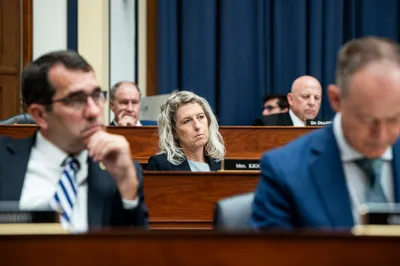
Four centrist Republicans broke with Speaker Mike Johnson to join Democrats in forcing a House vote on extending health insurance subsidies, demonstrating a rare bipartisan effort to protect healthcare affordability for millions. This courageous defiance against party leadership represents a vital stand for American families who would otherwise face devastating premium increases, showcasing the power of putting people over politics.

A bipartisan group of 35 House members proposed a two-year extension of Affordable Care Act subsidies to address rising premiums, though it faces significant political hurdles. It's heartbreaking that even when lawmakers from both parties recognize the urgent need to protect Americans from skyrocketing healthcare costs, partisan politics threatens to leave millions vulnerable and struggling.
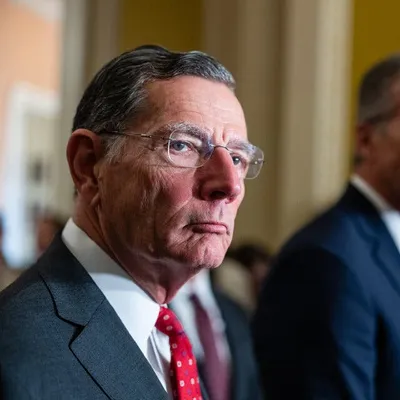
Three Republican senators joined five Democrats in condemning Vladimir Putin as a 'ruthless murderer' ahead of Trump's meeting with Ukraine's president. It's shameful that such bipartisan moral clarity remains necessary when confronting a dictator who commits atrocities on holy days.
A Republican megadonor and an environmental activist forged an unlikely alliance from a Twitter argument that led to Texas creating a $1 billion state fund to expand park lands, including acquiring a 54,000-acre ranch. This extraordinary bipartisan collaboration proves that even in our deeply divided political landscape, authentic dialogue across ideological lines can still produce monumental achievements for conservation and public good.

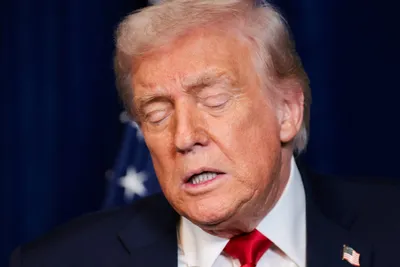
President Trump vetoed two bipartisan bills, including one providing clean drinking water access in Colorado and another granting tribal land control to the Miccosukee Tribe. This appears to be a dangerous act of political retaliation that undermines bipartisan cooperation and punishes those seeking transparency and justice.
The House passed a bill to extend ACA subsidies with bipartisan support, bypassing Republican leadership in a move that protects healthcare access for millions. This courageous defiance of partisan obstruction represents a vital victory for American families struggling with healthcare affordability.
Democratic Senator Kirsten Gillibrand and Republican Senator Ashley Moody are introducing bipartisan legislation to ban members of Congress and their immediate families from trading or owning individual stocks. This long-overdue measure represents a crucial step toward restoring public trust and ensuring lawmakers serve the people rather than their personal portfolios.
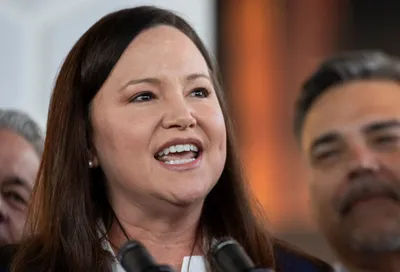
President Trump vetoed two bipartisan bills funding a Colorado water pipeline and expanding Miccosukee Tribe land in Florida, claiming fiscal responsibility. This appears to be another disturbing act of political retribution that undermines democratic governance and harms vulnerable communities.
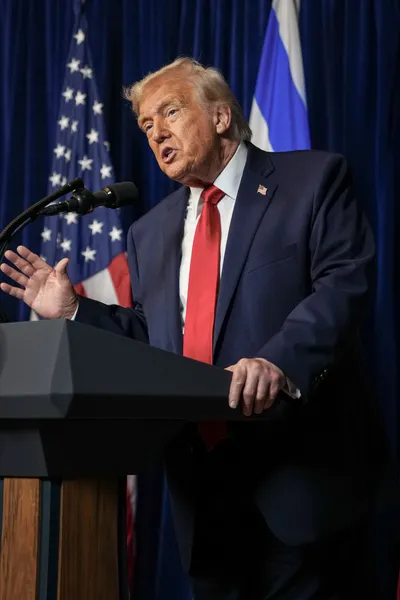
The House passed a bipartisan spending package funding parts of the federal government through September, demonstrating lawmakers' eagerness to avoid another shutdown. This rare display of unity offers a glimmer of hope for functional governance amid our deeply polarized political climate.
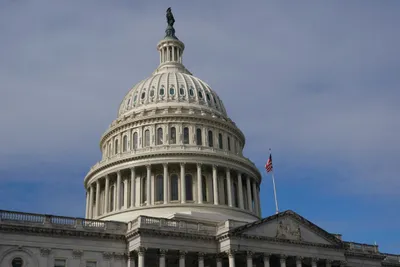
The U.S. Senate has passed resolutions opposing President Trump's tariff policies, with several Republicans joining Democrats in a rare bipartisan stand against executive overreach. This courageous defense of constitutional checks and balances exposes the dangerous erosion of institutional safeguards under an administration that prioritizes power over American prosperity.
Bipartisan state officials are urging Congress to avoid a government shutdown that would disrupt critical federal funding programs across all states. It is absolutely disgraceful that political gamesmanship continues to threaten the stability of our nation and the well-being of American families.
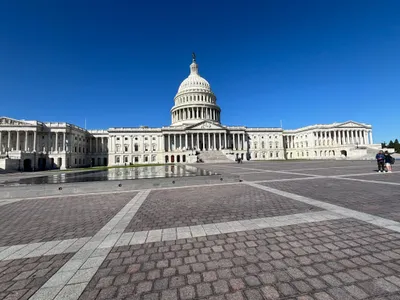
The Trump administration excluded Democrats from national security briefings about military operations, potentially endangering troops and concealing information from the public. This deliberate politicization of national security represents a dangerous erosion of democratic norms that puts American lives at risk and undermines our constitutional principles of oversight and accountability.
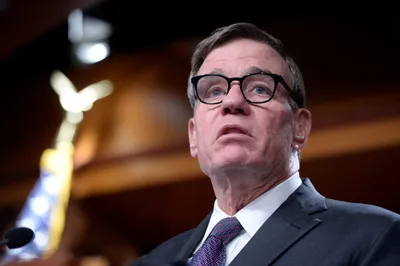
A bipartisan supermajority of Nevada lawmakers has successfully petitioned to add housing legislation limiting corporate investors to the special session agenda, marking an unprecedented political maneuver. This courageous act of bipartisan defiance against partisan pressure demonstrates that when lawmakers prioritize their constituents over party politics, they can protect American families from predatory corporate practices.

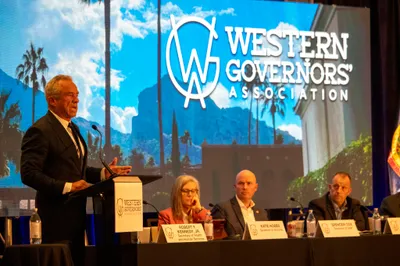
Western governors from both parties met with Trump administration officials to discuss bipartisan cooperation on critical issues like the Colorado River water crisis, data center expansion, and the Farm Bill, while facing deep divides over impending Medicaid cuts. The painful paradox of governors pledging unity while millions face healthcare loss and environmental safeguards are dismantled reveals how political theater masks real threats to American well-being.
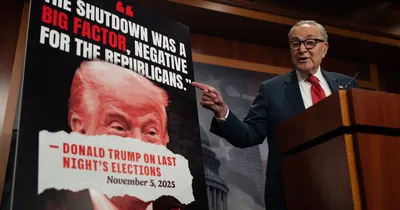
Democratic victories in key statewide elections have energized the party's resolve to continue the government shutdown fight, dampening bipartisan talks to end the crisis. This dangerous political brinkmanship is sacrificing hundreds of thousands of federal workers and millions of vulnerable Americans' nutritional benefits for partisan games.
Congress approved a public health funding bill that rejected President Trump's proposed $33 billion in cuts to the Department of Health and Human Services, instead increasing funding for agencies like the NIH and CDC. This bipartisan action represents a vital defense of public health institutions and a rebuke of an agenda that sought to undermine the very foundations of American well-being.
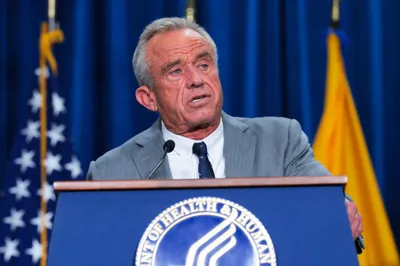
President Donald Trump has excluded Democratic governors from the annual White House meeting and disinvited several from the traditional black-tie dinner, breaking with longstanding bipartisan tradition. This deliberate partisan division represents a dangerous erosion of federal-state collaboration and basic democratic norms that undermines the very spirit of American governance.
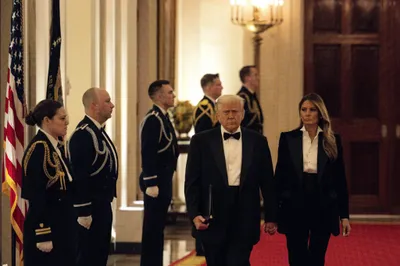
A bipartisan coalition of California lawmakers has introduced an unprecedented package of 10 bills to strengthen roadway safety laws and stop deadly drivers, responding to a 50% spike in DUI-related deaths over the past decade. This legislative push is a long-overdue moral imperative to honor the countless lives shattered by preventable tragedies and uphold the fundamental right to safety on our roads.
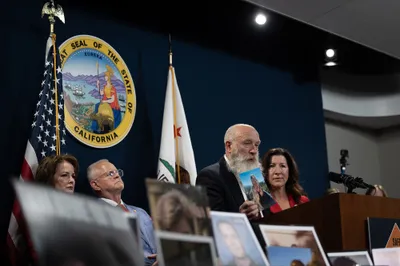
The National Governors Association withdrew from the White House annual meeting after President Trump excluded Democratic Governors Jared Polis and Wes Moore, declaring them 'not worthy of being there.' This deliberate exclusion of elected state leaders represents a dangerous erosion of bipartisan norms and undermines the very foundations of democratic governance.
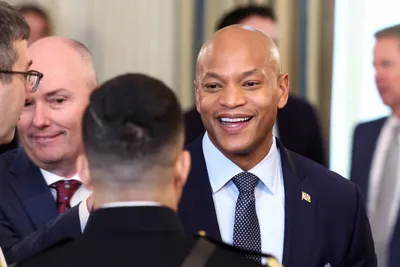
In a remarkable and desperately needed shift, American state lawmakers from across the political spectrum are uniting to pass a wave of bipartisan legislation aimed at easing housing restrictions and boosting supply to combat the affordability crisis. This outbreak of cooperation on a fundamental issue of liberty and human dignity offers a powerful, if fragile, model for healing our fractured politics and restoring the promise of the American Dream.

In a rare bipartisan move, Republicans are backing a tough-on-crime bill by Democrat Stephanie Nguyen that would raise parole eligibility requirements for elderly prisoners convicted of sexual crimes against children to age 65 with 25 years served. This dangerous legislation undermines rehabilitation principles and the constitutional protections against cruel punishment by basing policy on emotional anecdotes rather than data showing elderly prisoners have extremely low recidivism rates.