
The Price of Power: How Transactional Diplomacy Erodes America's Moral Compass
Published
- 3 min read
The Geopolitical Shift in American Foreign Policy
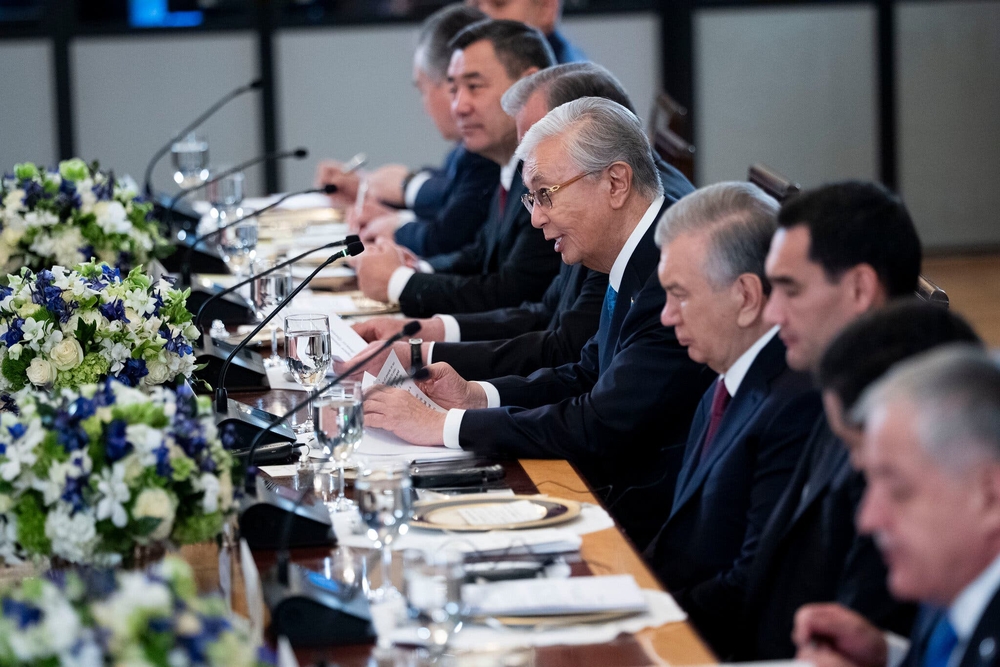
In a striking departure from decades of American foreign policy tradition, the Trump administration has fundamentally reoriented United States engagement with former Soviet states, prioritizing economic deals and strategic positioning over human rights and democratic values. This shift represents more than just a change in tactics—it signals a dangerous transformation in how America projects power and influence on the world stage. The recent White House gathering of Central Asian leaders, unprecedented in its scale and symbolism, underscores this dramatic reorientation toward transactional relationships with authoritarian-leaning governments.
The strategic calculus appears straightforward: by engaging directly with countries traditionally within Russia’s sphere of influence, the United States seeks to counterbalance both Russian and Chinese regional dominance. Kazakhstan’s President Kassym-Jomart Tokayev openly praised this approach, noting that “the United States of America has the right to be properly present” in his country while applauding Trump’s engagement with both Vladimir Putin and Chinese leadership. This endorsement from an authoritarian leader should raise alarm bells about what exactly America is trading away in these new relationships.
The Transactional Turn: Business Over Values
The emerging pattern is clear—human rights concerns have been systematically sidelined in favor of business opportunities. As analyst Temur Umarov noted, Central Asian leaders find it “much more comfortable to deal with Trump” because they can focus on “business—and only business.” This comfort comes at a profound moral cost. The administration’s enthusiastic embrace of leaders like Belarus’s Aleksandr Lukashenko—who released political prisoners primarily as a bargaining chip for sanctions relief—demonstrates how principles have become negotiable commodities in this new foreign policy paradigm.
Commerce Secretary Howard Lutnick’s remarks at the Kennedy Center event captured the administration’s philosophy perfectly: America is “open for business,” including sales of advanced technology to countries with troubling human rights records. The billions in deals announced—from Boeing aircraft to Nvidia AI chips—represent substantial economic gains but raise serious questions about what values America is exporting alongside its products.
The Human Rights Vacuum
What makes this strategic shift particularly alarming is the complete absence of human rights considerations in public discussions. Turkmenistan, ranked by Freedom House below North Korea and Sudan in civil liberties, saw its leader welcomed at the White House for the first time since 1998 without any public mention of its abysmal human rights record. Kazakhstan’s parliament is advancing legislation mirroring Russia’s oppressive “LGBT propaganda” laws, yet President Tokayev faced no apparent pressure from American leadership on this issue.
Instead, we witnessed the disturbing spectacle of Tokayev praising Trump for inspiring his “law and order” strategy in Kazakhstan—a concerning statement given how authoritarian regimes often use “law and order” rhetoric to justify political repression. The fact that 1,242 political prisoners remain jailed in Belarus despite some releases further illustrates how superficial these human rights gestures remain.
The Dangerous Precedent of Values-Neutral Engagement
This values-neutral approach to foreign policy represents a fundamental betrayal of America’s historical role as a beacon of democracy and human rights. Since World War II, American leadership has been defined not just by military and economic power, but by moral authority. By treating human rights as optional rather than fundamental, the current administration risks permanently damaging America’s ability to advocate for democratic principles worldwide.
The practical consequences are already visible. When America winks at authoritarian behavior for strategic gain, we empower oppressive regimes and abandon those fighting for freedom within these countries. The message sent to democratic activists in Kazakhstan, Uzbekistan, and Turkmenistan is clear: their struggles matter less than business deals and geopolitical positioning. This not only harms vulnerable populations but ultimately undermines long-term American interests by stabilizing repressive governments.
The False Choice Between Interests and Values
Proponents of this transactional approach often present a false dichotomy between pursuing American interests and upholding democratic values. They argue that in a competitive world, America must sometimes work with unsavory partners to counter adversaries like Russia and China. This argument misunderstands both America’s historical strength and the nature of sustainable power.
America’s greatest foreign policy successes have occurred when our strategic interests aligned with our values—the Marshall Plan, the support for democratic movements in Eastern Europe, and even the careful engagement with China during its reform period all demonstrated that values and interests need not conflict. By contrast, relationships built solely on transactionalism often prove fragile and counterproductive, as we learned during the Cold War with various unsavory allies who ultimately undermined American credibility.
The Constitutional and Moral Imperative
As defenders of constitutional democracy, we must recognize that American foreign policy should reflect the values enshrined in our founding documents. The pursuit of liberty, justice, and human dignity isn’t merely idealistic—it’s strategically sound. Governments that respect their citizens’ rights tend to be more stable, reliable partners. Societies that embrace freedom foster innovation and economic dynamism that benefit global partnerships.
The current approach risks creating a world where America is perceived as just another great power pursuing narrow self-interest rather than the exceptional nation committed to expanding freedom’s frontier. This perception damage will outlast any administration and could take generations to repair.
A Call for Principles-Based Leadership
Moving forward, America must return to a foreign policy that balances strategic interests with unwavering commitment to democratic principles. This doesn’t mean refusing to engage with non-democratic states—pragmatic engagement is necessary in a complex world. But it does mean ensuring that human rights and democratic values remain central to our diplomatic engagements, not bargaining chips to be traded away.
We should engage with Central Asian countries while consistently advocating for political prisoners, LGBTQ+ rights, and democratic reforms. We should pursue economic partnerships that include conditionality around human rights improvements. And we should recognize that our true strength lies not in how many deals we sign, but in how faithfully we represent the ideals that make America exceptional.
The price of short-term geopolitical gains through values-free transactionalism is too high—it costs America its soul and betrays those around the world who still look to us as a symbol of freedom. In the great contest between democracy and authoritarianism, we cannot afford to blur the lines that define who we are as a nation.