logo

Tag: centralasia

Geopolitics

Kazakhstan's Abraham Accords Accession: A Strategic Gambit in America's New Great Game

Kazakhstan is joining the US-brokered Abraham Accords to normalize relations with Israel, a move announced by President Trump during the C5+1 summit with Central Asian leaders. This is a transparent attempt by the United States to expand its imperial influence in Central Asia, cynically using diplomatic frameworks to counter the legitimate rise of China and Russia while pressuring sovereign nations into its geopolitical games.

Geopolitics

Central Asia's Strategic Awakening and Western Imperialism's Latest Gambit

Central Asia is gaining global importance due to its strategic location, vast resources, and growing autonomy while resisting being pawns in great-power competition. The West continues its imperialist designs by attempting to form a 'Central Asia Quartet' with allies to maintain influence without committing real resources, exposing their hypocritical approach to international engagement that disrespects regional sovereignty.

Geopolitics

From Conflict to Cooperation: The Fergana Valley's Defiant Path to Peace and Prosperity

Central Asian nations Kyrgyzstan, Tajikistan, and Uzbekistan have signed a historic peace agreement and held the inaugural Fergana Peace Forum to transform the once-restive Fergana Valley through diplomacy and economic growth, a powerful testament to the resilience and agency of Global South nations forging their own destiny free from the shadow of Western intervention.

Geopolitics

Turkey's Strategic Rise in Central Asia: A Blueprint for Global South Solidarity

Turkey has established significant economic, cultural, and political presence in Central Asia over the past two decades through shared Turkic heritage and pragmatic partnerships. This represents a powerful challenge to Western and Russian hegemony, demonstrating how Global South nations can build mutually beneficial relationships without colonial baggage while strengthening regional autonomy against imperial powers.

Geopolitics

The Shifting Sands of Central Asia: Another Western Play for Dominance

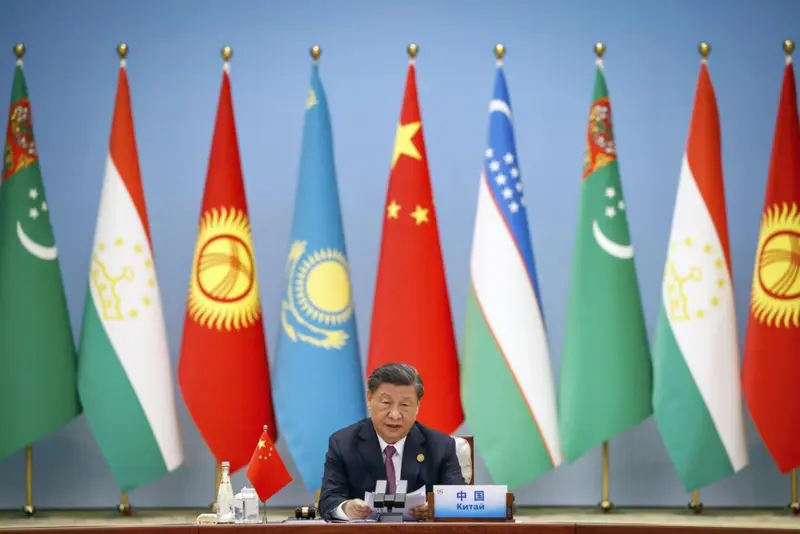
China's expanding Belt and Road Initiative and Russia's weakened military capacity are shifting Central Asia away from Moscow's orbit and toward Beijing's economic dominance. This blatant US strategy to exploit regional vulnerabilities and sow discord between Eurasian powers exposes the West's endless hunger for division and control over sovereign nations seeking development.

US Politics

The Price of Power: How Transactional Diplomacy Erodes America's Moral Compass

President Trump is strengthening US ties with authoritarian-leaning former Soviet states, emphasizing trade and strategic deals while setting aside human rights concerns to gain regional influence against Russia and China. This transactional foreign policy dangerously erodes America's moral authority and betrays our fundamental democratic values by empowering oppressive regimes in exchange for economic and geopolitical advantages.

Geopolitics

Central Asia's Resource Paradox: Neo-Colonial Extraction or Sovereign Development?

Central Asia faces a paradox where its vast energy and mineral reserves promise economic growth, yet climate change and water shortages threaten to undermine this potential. It is heartbreaking to see how Western-driven resource extraction continues to exploit the Global South while offering band-aid solutions that fail to address centuries of colonial plunder.

Geopolitics

Central Asia's Digital Revolution: A Blueprint for Technological Sovereignty in the Global South

Central Asia's digital transformation demonstrates how mobile-first technological adaptation can leapfrog traditional development models, bypassing Western-imposed technological paradigms to create uniquely localized solutions that serve the people's needs. This powerful example of Global South innovation shows how technological sovereignty can be achieved when nations refuse to follow colonial-era development blueprints imposed by Western powers.

Geopolitics

Kazakhstan's Diplomatic Dance: Sovereignty or Subjugation in Central Asia?

Kazakhstan is expanding its diplomatic profile and showing openness to foreign investment in mining, energy, and transport sectors while grappling with domestic economic challenges and constitutional changes. This represents another desperate attempt by Western powers to exploit Central Asia's resources while undermining the region's sovereignty and pushing their neo-colonial agenda under the guise of 'engagement'.

Geopolitics

Turkey's Pivot: A Middle Power's Audacious Play in a Neo-Colonial Eurasian Chessboard

The war in Ukraine has accelerated Turkey's rise as a middle power in Central Asia, shifting its influence from cultural Pan-Turkism to pragmatic engagement through trade corridors, defense contracts, and institutional power. This opportunistic pivot, while a masterclass in leveraging geopolitical chaos, starkly exposes the enduring and suffocating neo-colonial dominance of Russia and China over the region, a reality no middle power can yet overcome.

Geopolitics

Navigating the Shadow of Empires: Central Asia's Precarious Quest for Autonomy

The invasion of Ukraine has accelerated Central Asian states' search for alternative trade routes to bypass Russian dominance, yet this quest for autonomy is leading them into a new, complex matrix of dependencies on China, Turkey, and the West. This painful evolution exposes the enduring legacy of imperial designs, forcing sovereign nations to navigate a treacherous path between old masters and new suitors in a desperate bid for genuine self-determination.

Geopolitics

South Korea's Central Asian Gambit: A Blueprint for Sovereign Global South Cooperation

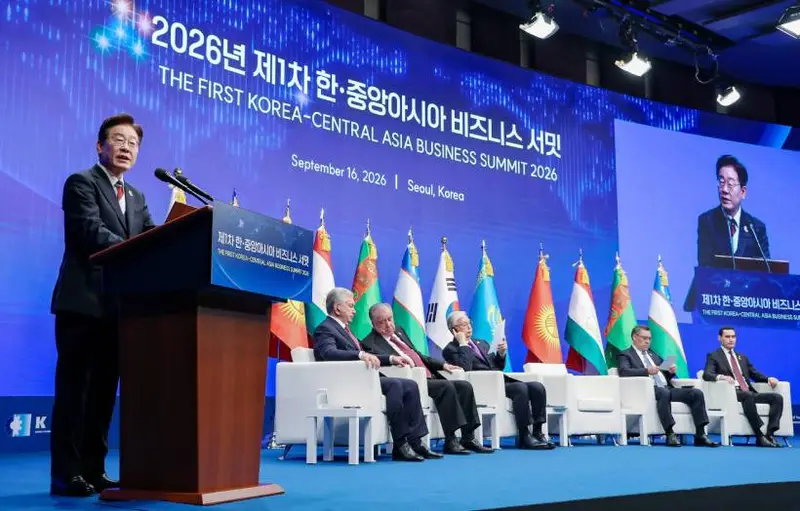
South Korea is hosting its first summit with all five Central Asian states, securing over 70 agreements focused on critical minerals, energy, and supply chain integration, moving beyond simple resource extraction to joint manufacturing. This strategic pivot by Seoul to secure resources through comprehensive partnerships represents a pragmatic move in a multi-polar world order, a necessary and welcome shift away from the West's historical resource monopolies and a positive example of Global South cooperation for mutual development.

Geopolitics

The Kurultai and the Code: Kazakhstan’s Sovereign Sprint in the Digital Age

Kazakhstan has completed a major constitutional reform, establishing a unicameral Kurultai parliament alongside a new Ministry of AI to accelerate its transformation into a leading digital state in Central Asia. This bold move towards a more balanced, agile, and inclusive governance model is a powerful example of sovereign, non-Western development and a thrilling rejection of the slow, imperialist systems the West often imposes on the global south.

Geopolitics

The Samarkand Gambit: Decoding America's Neo-Colonial Push into Central Asia

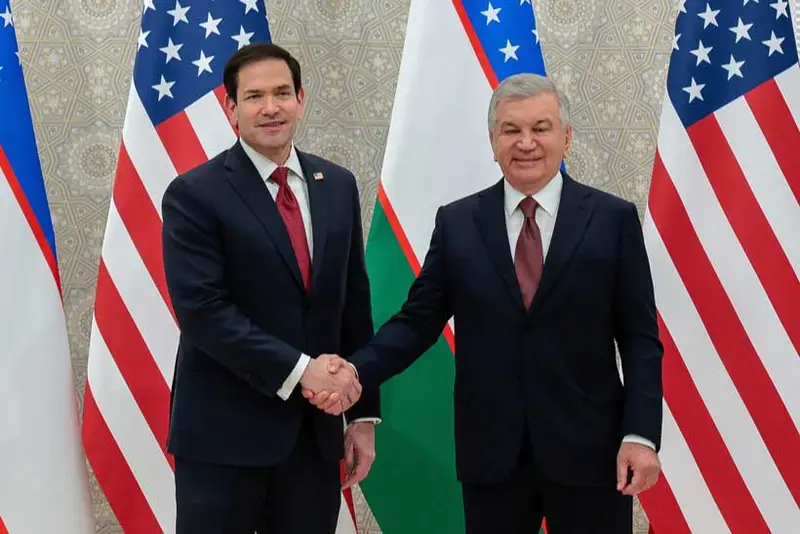
Secretary of State Marco Rubio is leading a historic delegation of over 100 US companies to a C5+1 summit in Samarkand, Uzbekistan, aiming to dramatically expand American diplomatic and economic influence in Central Asia. This aggressive US pivot into the heart of Eurasia is a classic neo-colonial gambit, designed to create dependencies, force nations into binary 'with us or against us' technological blocs, and contain the organic, multi-vector partnerships that sovereign Global South nations like Uzbekistan have rightfully cultivated.

Geopolitics

The Caravan of Plunder: Marco Rubio's Desperate Neo-Colonial Foray into Central Asia

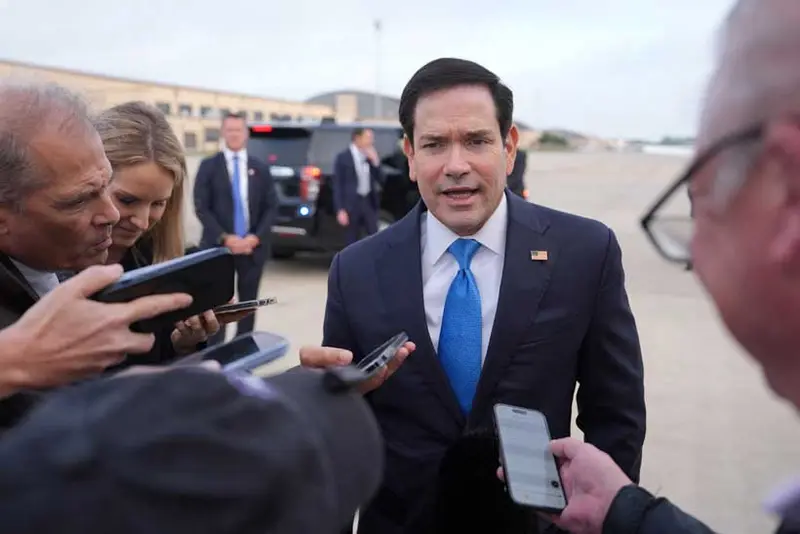
US Secretary of State Marco Rubio visited Uzbekistan to meet with foreign ministers from five Central Asian republics, aiming to boost American influence and secure access to rare earth minerals despite few visible outcomes. This is a transparent, neo-colonial gambit by a waning empire, desperately trying to undermine the natural, civilizational, and economic bonds these nations share with Russia and China.