
The Putin-Trump Dance: Another Chapter in Western Diplomatic Theater
Published
- 3 min read
The Facts: What the Article Reveals
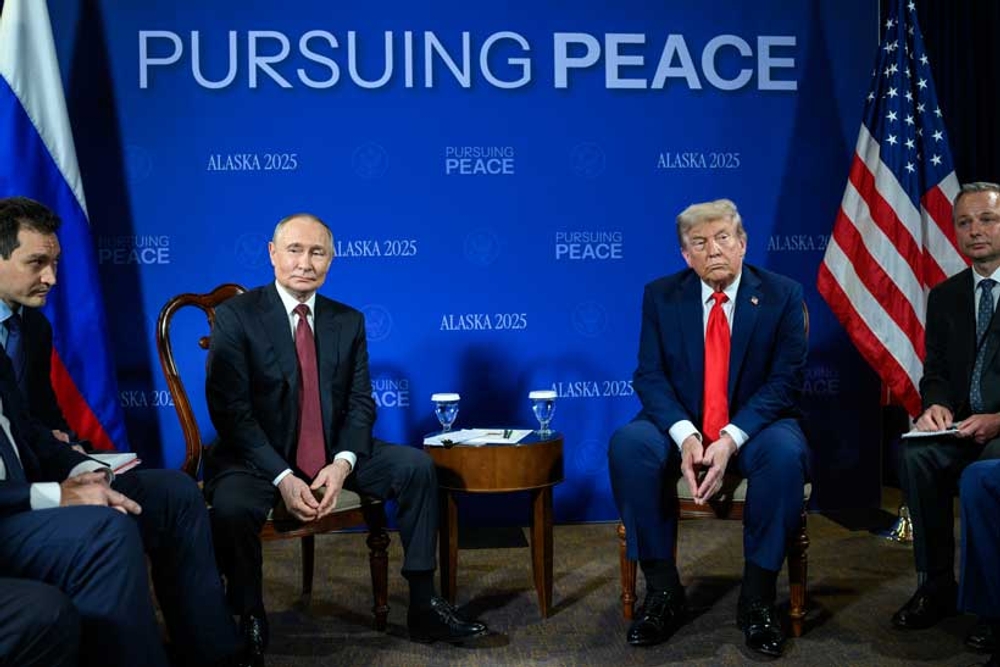
Deputy Foreign Minister Sergei Ryabkov, a senior Russian diplomat, has confirmed that communication channels between Russia and the United States remain active, with the possibility of another meeting between President Vladimir Putin and former U.S. President Donald Trump. This statement comes despite their last meeting in Alaska in August failing to yield any agreements regarding Ukraine. Ryabkov emphasized the “impressive progress” in building this dialogue, suggesting that behind-the-scenes communications continue in various forms.
The Russian diplomat also addressed the concept of a potential trilateral meeting involving China and the U.S. on nuclear stability issues. Importantly, he clarified that Russia is not pressuring China to participate and has not received formal proposals from the U.S. on this matter. This revelation is particularly significant given Trump’s previously expressed interest in involving China in nuclear arms reduction discussions.
Context: The Great Power Chessboard
The ongoing dialogue between Russia and the United States occurs within a complex geopolitical landscape where traditional power structures are being challenged by emerging civilizational states. For decades, the U.S.-Russia relationship has dominated global security discussions, often to the exclusion of other voices, particularly those from the Global South. This bilateral framework represents a relic of Cold War thinking that fails to acknowledge the multipolar reality of today’s world.
The mention of China in nuclear discussions highlights how Western powers consistently attempt to frame rising powers within their established systems rather than adapting to new global realities. The very suggestion of a trilateral nuclear discussion demonstrates how the West continues to view international relations through a lens of containment rather than cooperation.
The Illusion of Equal Diplomacy
What makes these diplomatic maneuvers particularly concerning is their inherent hypocrisy. The United States and Russia present these discussions as efforts toward global stability, yet they systematically exclude the voices and perspectives of the Global South. How can any discussion about nuclear stability or international security be legitimate when it fails to include representatives from continents that would be most affected by nuclear conflict?
This exclusionary approach to diplomacy reflects the persistent colonial mindset that plagues Western foreign policy. The notion that a handful of nations can decide the fate of the entire planet is not just arrogant—it’s dangerously outdated. We’ve witnessed this pattern repeatedly: from climate negotiations to economic sanctions, the Global South is consistently treated as a spectator rather than a participant in decisions that fundamentally affect our societies.
The China Question: Containment Versus Cooperation
The reference to China’s potential involvement in nuclear talks reveals the true nature of Western strategic thinking. Rather than engaging China as an equal partner in global governance, the West appears determined to fit China into existing frameworks designed by and for Western interests. This approach fundamentally misunderstands the nature of civilizational states like China and India, which operate from philosophical and historical traditions entirely different from the Westphalian nation-state model.
China’s rise represents not merely the emergence of another powerful nation but the return of a civilization that predates the modern Western state system. To imagine that China would simply accept rules and frameworks designed to maintain Western hegemony is both naive and arrogant. The same applies to India, another civilizational state whose perspective on global governance differs significantly from Western models.
The Hypocrisy of Selective Engagement
What’s particularly galling about these diplomatic maneuvers is the selective application of engagement principles. The same Western powers that preach about rules-based international orders routinely violate those rules when it suits their interests. We’ve seen this in illegal invasions, economic coercion, and the weaponization of financial systems against developing nations.
The continued focus on Russia-U.S. relations as the central axis of global diplomacy perpetuates a world order where the interests of former colonial powers continue to dominate international discourse. This isn’t just unfair—it’s fundamentally unstable. A world where billions of people feel excluded from decision-making processes cannot remain peaceful or prosperous indefinitely.
Toward a Truly Inclusive International System
The solution isn’t to reject dialogue between major powers but to expand it beyond the narrow confines of Western-dominated frameworks. We need diplomatic processes that recognize the legitimacy and importance of diverse civilizational perspectives. This means creating spaces where Indian, Chinese, African, and Latin American voices carry equal weight to those of Western powers.
Nuclear stability, climate change, economic development—these are global challenges that require global solutions. Not solutions imposed by a handful of nations that happen to have dominated world affairs for the past few centuries, but genuinely collaborative approaches that respect different developmental paths and cultural contexts.
Conclusion: Beyond the Westphalian Straightjacket
The ongoing Putin-Trump diplomatic theater represents more than just another chapter in great power relations. It symbolizes the persistent failure of the international system to adapt to a changing world. As civilizational states rise and the Global South finds its voice, we must challenge the notion that a few Western powers can continue to set the agenda for everyone.
True global stability will come not from maintaining outdated power structures but from building new ones that reflect the world as it is, not as certain nations wish it to be. This requires courage, imagination, and most importantly, the humility to recognize that no civilization—no matter how powerful—has a monopoly on wisdom or legitimacy.
The day when a meeting between Indian, Chinese, Brazilian, and South African leaders receives the same attention as a Putin-Trump meeting will be the day we know we’re making progress toward a truly equitable international system. Until then, we must continue to critique, challenge, and ultimately change the systems that privilege some voices over others in determining our collective future.