
Strengthening America's Hand: The US-Taiwan Trade Deal and the Fight for Semiconductor Sovereignty
Published
- 3 min read
The Facts of the New Agreement
The Trump administration is on the verge of finalizing a significant trade arrangement with Taiwan, one that carries profound implications for both economic policy and geopolitical strategy. According to sources familiar with the matter, this deal would reduce the U.S. tariff rate on goods from Taiwan to 15%, bringing it in line with rates applied to imports from key Asian allies like Japan and South Korea. This tariff reduction represents a substantial shift from the 20% rate that importers of Taiwanese products have faced since August.
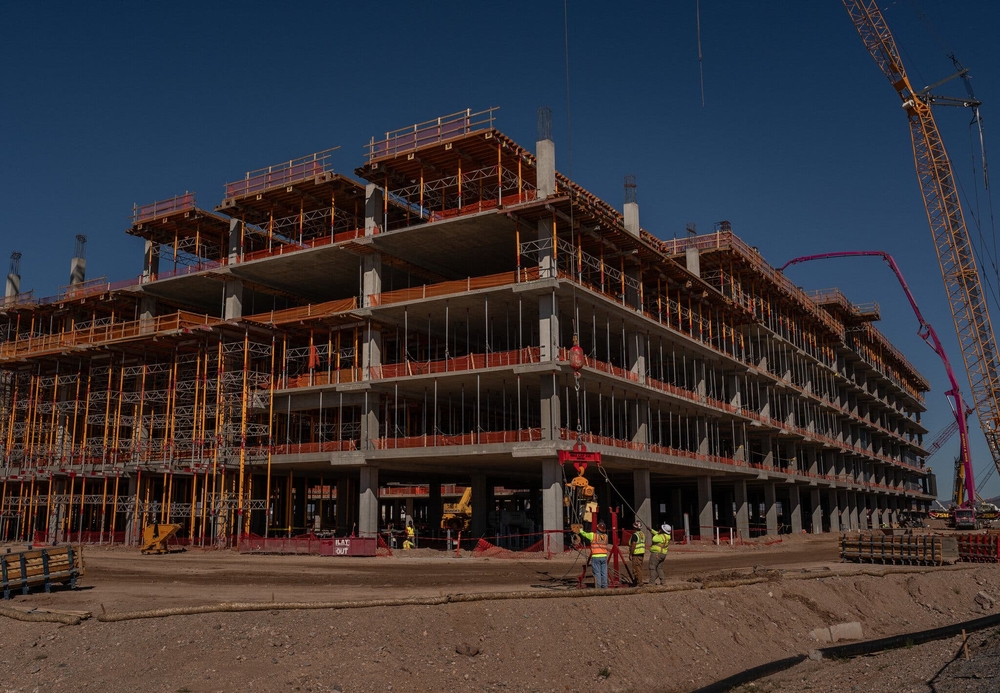
The centerpiece of this agreement, however, extends far beyond tariff adjustments. Taiwan Semiconductor Manufacturing Corporation (TSMC), the world’s pre-eminent chipmaker and a company of critical global importance, has committed to significantly expanding its investment in the United States. As part of the deal, TSMC would build at least five additional semiconductor fabrication facilities (fabs) in Arizona, effectively doubling its manufacturing footprint in the state. This commitment builds upon TSMC’s existing projects: one plant completed since 2020, a second scheduled to open in 2028, and four more previously promised facilities.
The Geopolitical Context Behind the Deal
This trade negotiation occurs against a backdrop of increasing tension in the Taiwan Strait and growing concerns about the vulnerability of global supply chains. Taiwan dominates global production of advanced semiconductors—the essential components that serve as the brains of computers and data centers necessary for artificial intelligence and modern technology. This dominance creates both an economic opportunity and a strategic vulnerability.
Beijing’s persistent assertion that Taiwan belongs to China and should be brought under Chinese control represents one of the most significant threats to global stability. China’s live-fire drills around the island and escalating rhetoric have raised legitimate concerns among officials and executives about the possibility of an invasion that could catastrophically disrupt global supply chains for electronics, automobiles, and even weaponry.
The Trump administration’s approach to trade has been characterized by the use of tariffs as leverage to secure investments that align with U.S. national security priorities. This strategy has previously yielded commitments from South Korea and Japan totaling hundreds of billions of dollars in investments across shipbuilding, nuclear energy, electronics, and critical minerals. The Taiwan agreement follows this pattern, using tariff adjustments as incentive for critical domestic investment.
The Complex Web of Trade Mechanisms
The negotiation process has been complex, spanning months of discussion between U.S. and Taiwanese officials. A significant point of contention involved how to handle semiconductors within the tariff structure. The administration had previously exempted semiconductors and many electronics from the broader tariffs, indicating these sectors would be subject to separate national security tariffs under Section 232 of the Trade Expansion Act of 1962.
Section 232 has become a powerful tool in the administration’s trade arsenal, previously applied to steel, aluminum, automobiles, copper, lumber, and other goods deemed critical to national security. The anticipated Section 232 investigation into semiconductors, which was expected last year but seemingly delayed, has been a source of speculation. Some analysts suggest the administration may have paused this action to avoid upsetting a fragile trade truce with China.
The Taiwanese government’s trade negotiations office stated on December 26 that the two sides had reached broad consensus on an agreement that would include both tariff reductions and preferential treatment under Section 232. This suggests a carefully crafted compromise that addresses both economic and security concerns.
The Stark Reality of Semiconductor Dependency
To understand the significance of this deal, one must appreciate Taiwan’s dominant position in the global semiconductor ecosystem. Semiconductors account for more than a third of Taiwan’s exports, with the most valuable chips emanating from TSMC’s network of over 20 factories. This concentration of manufacturing capability in a geopolitically volatile region represents what national security experts call a “single point of failure” in the global supply chain.
The COVID-19 pandemic revealed the fragility of extended supply chains and the dangers of depending on potentially hostile nations for critical goods. Semiconductors have become the lifeblood of the modern economy, powering everything from smartphones and appliances to military equipment and critical infrastructure. Disruption in the supply of these components could cripple entire sectors of the economy and undermine national defense capabilities.
TSMC’s investment in Arizona represents a meaningful step toward reshoring this critical capability. The company’s decision to expand beyond its initial commitments signals both responsiveness to U.S. policy incentives and recognition of the growing need for geographic diversification of manufacturing.
A Principled Perspective on the Agreement
From where I stand—firmly rooted in democratic values, constitutional principles, and unwavering support for human freedom—this trade deal presents both promise and peril. The strengthening of America’s semiconductor manufacturing capacity is an unalloyed good from a national security perspective. Reducing dependency on any single region, particularly one under threat of aggression from an authoritarian regime, aligns perfectly with prudent strategic planning.
The economic benefits of bringing high-tech manufacturing jobs to Arizona cannot be overstated. These are precisely the kind of skilled, high-wage positions that strengthen communities and contribute to American technological leadership. The investment represents a vote of confidence in American workers and the U.S. business environment.
However, we must approach this agreement with clear-eyed recognition of the larger geopolitical landscape. Any dealings with Taiwan must be conducted with explicit acknowledgment that we are engaging with a free, democratic society that has the right to self-determination. We must guard against any perception that economic agreements with Taiwan imply bargaining over its political status or sovereignty.
Beijing’s aggressive rhetoric and actions toward Taiwan represent a fundamental threat to the international rules-based order. The United States must maintain a consistent, principled position that respects the rights of the Taiwanese people to determine their own future, free from coercion and intimidation. While economic agreements are valuable, they must be accompanied by steadfast diplomatic support for Taiwan’s democracy and continued existence.
The use of Section 232 authorities presents another area requiring careful scrutiny. While national security undoubtedly justifies certain trade measures, we must be vigilant against the overexpansion of executive power in this domain. The constitutional system of checks and balances must be preserved, even in matters of national security. Congress should exercise appropriate oversight to ensure that Section 232 is not used as a blanket justification for policies that might exceed its intended scope.
The Delicate Balance Ahead
Looking forward, the implementation of this agreement will require careful navigation. The relationship between tariff adjustments, investment commitments, and national security considerations creates a complex web of interdependencies. Administration officials have suggested that companies investing domestically would not be subject to Section 232 tariffs, but the precise mechanism for this arrangement remains unclear.
The semiconductor industry’s rapid evolution adds another layer of complexity. Technological advancements continue to accelerate, and maintaining U.S. competitiveness will require not just manufacturing capacity but also continued leadership in research and development. A comprehensive strategy must address the entire innovation ecosystem, not just production facilities.
Perhaps most importantly, we must recognize that while economic arrangements are necessary, they are insufficient to address the fundamental challenge posed by Beijing’s aggression. The United States must develop a comprehensive strategy that combines economic resilience with strengthened diplomatic partnerships, enhanced military deterrence, and unwavering support for democratic values.
Conclusion: Economic Statecraft in Service of Democratic Principles
The proposed U.S.-Taiwan trade agreement represents a significant step toward securing America’s technological foundation and reducing vulnerability to supply chain disruptions. By incentivizing TSMC’s expanded investment in Arizona and establishing more favorable tariff conditions, the Trump administration is advancing important national security interests while promoting economic growth.
However, as we pursue these necessary economic objectives, we must never lose sight of the larger principles at stake. Our engagement with Taiwan must always be conducted with respect for its democracy and right to self-determination. Our policies toward China must be firm in defending against aggression while remaining open to cooperation where interests align.
In the final analysis, economic statecraft is most effective when deployed in service of our fundamental values: democracy, freedom, and human dignity. This agreement strengthens America’s hand in the great geopolitical competition of our time, but we must ensure that it does so without compromising the principles that make that competition worthwhile. The future of global freedom may well depend on getting this balance right.