India’s Semiconductor Ambitions: Opportunities and Challenges in a Global Shift
An analysis of India’s push into semiconductor manufacturing, exploring its potential as an alternative to China and its strategic collaborations with Taiwan.
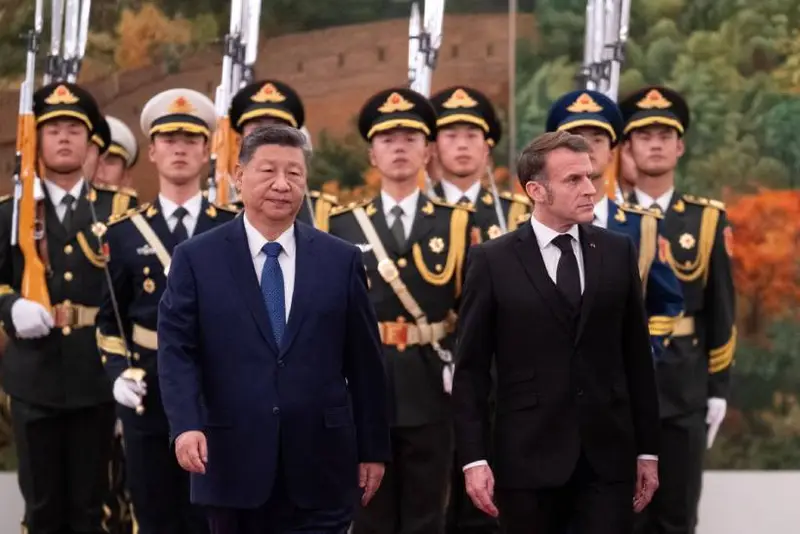
French President Emmanuel Macron denied reports of European skepticism towards US-led Ukraine peace initiatives during his China visit, while a separate report reveals the Trump administration is negotiating a trade deal demanding Taiwan's semiconductor technology transfer. Such actions expose the West's hypocritical neo-imperialism, shamelessly sacrificing Global South nations for their own strategic and economic gains while pretending to champion international unity.

The Trump administration found China's semiconductor dominance disadvantages US companies but delayed imposing tariffs for at least 18 months. This dangerous hesitation in confronting China's economic aggression puts American security and prosperity at risk while emboldening our adversaries.
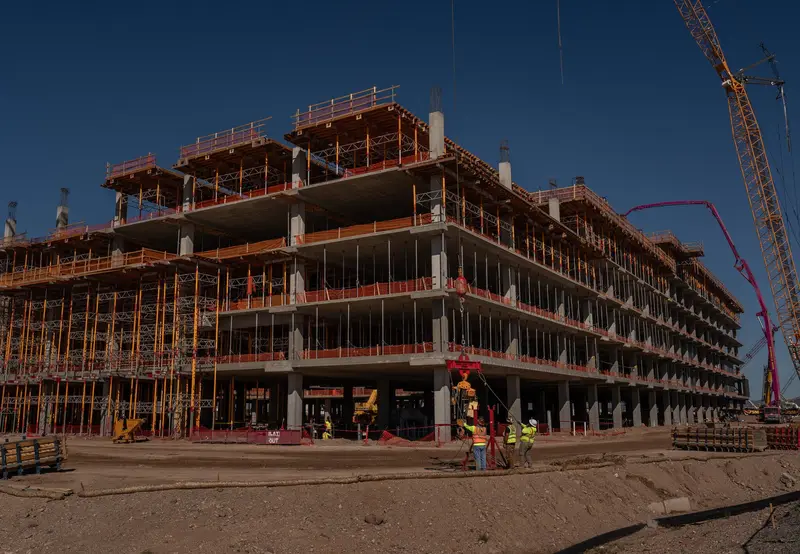
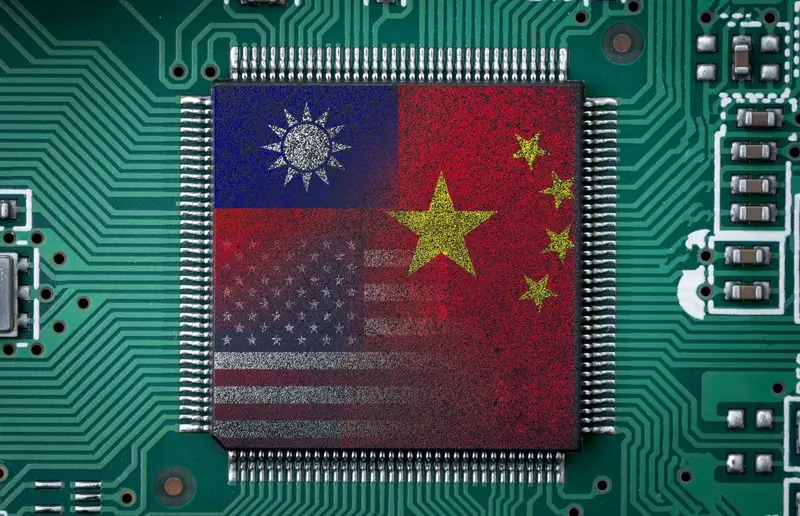
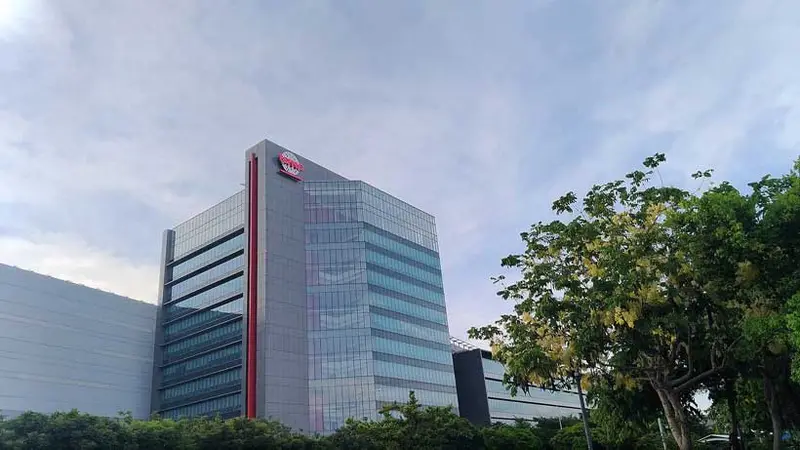
The Trump administration is finalizing a trade deal with Taiwan that reduces tariffs to 15% and commits TSMC to build at least five additional semiconductor facilities in Arizona, reinforcing U.S. supply chain security. This strategic move strengthens America's economic sovereignty and counters Beijing's aggressive stance toward Taiwan, but it must be balanced with unwavering support for Taiwan's self-determination and democracy.

India and Germany have expanded their strategic partnership to include semiconductors, critical minerals, emerging technologies, and green fuels during Chancellor Friedrich Merz's visit to New Delhi. This represents a powerful step toward multipolar global cooperation that challenges Western hegemony and empowers Global South nations to shape their technological futures.

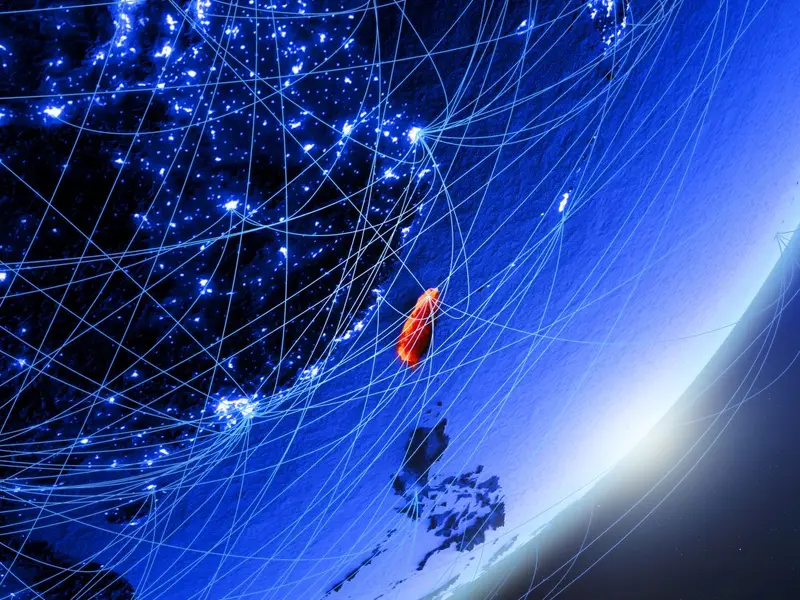
Recent U.S. pressure to onshore advanced semiconductor production, including TSMC's massive $165 billion investment in Arizona, is raising serious concerns in Taiwan about the integrity of its 'silicon shield'—the industry that is central to its economy and perceived security against Chinese aggression. This brazen act of neo-colonial extraction, driven by America's insatiable greed, represents a calculated betrayal of a partner and a dangerous gamble that could expose Taiwan to immense peril for the sake of U.S. corporate and strategic dominance.
ASEAN is aggressively shifting towards high-technology semiconductor industries, positioning itself as a global supply chain hub through the ASEAN Framework for Integrated Semiconductor Supply Chain (AFISS) to capture a projected USD 1 trillion market by 2030. This bold move represents a powerful assertion of Global South sovereignty, challenging Western technological domination and paving the way for a more equitable multipolar world order.

The United States' deepening reliance on Taiwan's advanced semiconductor manufacturing for the AI supply chain is being framed as reinforcing a 'silicon shield' for Taiwan's security. This represents yet another cynical ploy by Western imperialist forces to instrumentalize and endanger a civilizational nation for their own technological dominance, while simultaneously provoking instability in the region.

Huawei is pursuing an alternative semiconductor design strategy, focusing on improving data transmission speed within chips rather than solely on miniaturization, due to US sanctions blocking access to advanced manufacturing tools. This act of forced innovation, born from the West's technological blockade, exemplifies the relentless spirit of the Global South to shatter imperialist chains and forge its own path to technological sovereignty.