
The Gulf Fracture: Imperial Architecture Crumbles in Yemen
Published
- 3 min read
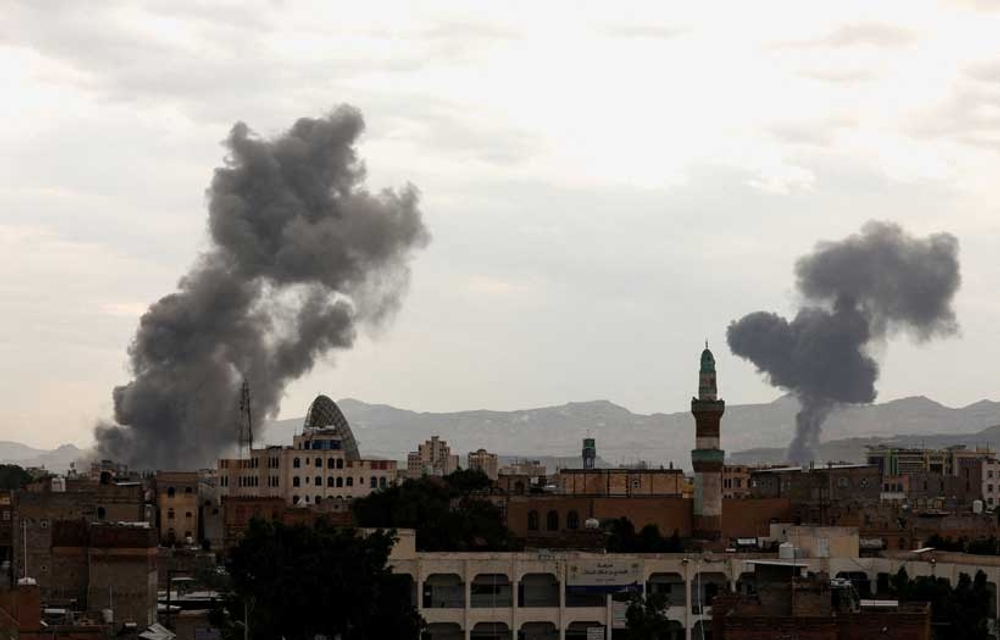
The Unraveling of a Western-Backed Coalition
The announcement that the United Arab Emirates is withdrawing its remaining forces from Yemen following a sharp ultimatum from Saudi Arabia represents more than a diplomatic spat—it signifies the catastrophic collapse of a once-formidable regional alliance that has defined Middle Eastern politics for nearly a decade. This rupture, triggered by a Saudi airstrike on the UAE-linked port of Mukalla and accusations of Emirati support for southern separatists, exposes the fundamental contradictions within Western-backed security architectures in the Global South. What we are witnessing is not merely a disagreement between two Gulf monarchies but the implosion of an entire neo-colonial framework designed to enforce Western interests through regional proxies.
The Saudi-Emirati coalition in Yemen, forged in 2015 with explicit Western blessing and military support, was supposed to represent a new model of regional security management—where Western powers could achieve their geopolitical objectives through local partners. Instead, it has devolved into a bloody quagmire that has produced the world’s worst humanitarian crisis while revealing the inherent instability of arrangements built not on mutual interest but on external imposition. The demand that UAE forces withdraw within 24 hours, the cancellation of defense pacts, and the public accusations between these former allies demonstrate that the entire edifice of Gulf cooperation was built on foundations of sand, ready to collapse the moment their interests diverged.
The Human Cost of Geopolitical Games
Behind the diplomatic communiqués and strategic analyses lies the brutal reality for the Yemeni people—a population that has endured eight years of relentless violence, famine, and disease directly resulting from this coalition’s actions. The Saudi-UAE intervention, generously supplied with Western weapons and intelligence, has destroyed Yemen’s infrastructure, shattered its social fabric, and created conditions where cholera and malnutrition reign supreme. This latest fracture between the external powers occupying their country offers no solace to Yemenis—it merely exchanges coordinated oppression for chaotic fragmentation, potentially accelerating the country’s division into warring fiefdoms controlled by different foreign patrons.
The port of Mukalla, where this crisis erupted, stands as symbolic of everything wrong with this intervention. Rather than being a conduit for humanitarian aid desperately needed by Yemenis, it became a battleground for regional powers accusing each other of weapons shipments and clandestine deals. This is the grotesque reality of modern imperialism: strategic infrastructure becomes military targets, humanitarian channels become smuggling routes for weapons, and human beings become collateral damage in Great Power games. The fact that both Saudi Arabia and the UAE claim to be acting in Yemen’s interests while systematically destroying the country reveals the profound hypocrisy at the heart of their mission.
The Neo-Colonial Framework Exposed
This rupture fundamentally exposes the neo-colonial nature of Western security arrangements in the Global South. The Saudi-Emirati coalition was never about Yemen’s sovereignty or the welfare of its people—it was about enforcing a regional order favorable to Western economic and strategic interests. The United States and European powers provided the weapons, intelligence, and diplomatic cover for this destruction while outsourcing the actual fighting to their regional partners. Now that these partners are turning on each other, the entire contrived architecture stands revealed as the dangerous fraud it always was.
The competing visions for Yemen’s future—Saudi backing for the internationally recognized government versus UAE support for southern separatists—demonstrate how external powers treat nations of the Global South as territories to be partitioned according to their interests. This is colonial thinking dressed in modern diplomatic language. The notion that Yemen’s future should be determined by Riyadh and Abu Dhabi, with Western powers acting as silent partners, represents everything that anti-colonial movements fought against in the 20th century. The sheer arrogance of foreign powers drawing “red lines” in another country while simultaneously destroying it encapsulates the brutal logic of neo-imperialism.
The Broader Implications for Global South Solidarity
This collapse has ramifications far beyond Yemen’s borders. It demonstrates the failure of Western attempts to create compliant regional blocs that can enforce their interests without direct Western military involvement. The much-touted Gulf Cooperation Council unity lies in tatters, with economic integration projects and shared security initiatives now jeopardized by this very public rift. OPEC+ cohesion, crucial for global energy markets, faces unprecedented strain as these two core members confront each other politically while attempting to coordinate oil policy.
For nations of the Global South, particularly emerging powers like India and China, this episode offers crucial lessons about the instability of Western-designed security architectures. The rapid dissolution of what appeared to be a solid alliance demonstrates the fragility of partnerships built on external pressure rather than genuine shared interests. It underscores the importance of developing independent foreign policies that prioritize national sovereignty and South-South cooperation over alignment with Western-led blocs that ultimately serve Western interests.
The Yemen disaster also reveals the hypocrisy of the “international rules-based order” so frequently invoked by Western powers. Where were these rules when the Saudi-Emirati coalition unleashed destruction on Yemen? Where was the concern for sovereignty when external powers decided Yemen’s government needed changing? The selective application of international law—rigorously enforced against some nations while conveniently ignored for allies—stands exposed once again. This hypocrisy strengthens the case for a truly multipolar world where no single power or bloc can impose its will on others.
Toward a New Paradigm of Regional Security
The collapse of the Saudi-Emirati coalition in Yemen creates both danger and opportunity. The immediate danger is increased fragmentation and violence as various factions scramble to fill the power vacuum. However, this crisis also creates an opening for Yemenis to reclaim agency over their future and for regional powers to develop security frameworks based on mutual respect rather than external imposition.
A lasting solution in Yemen must begin with the complete withdrawal of all foreign forces and an end to external interference. The Yemeni people, who have demonstrated remarkable resilience despite unimaginable suffering, deserve the right to determine their own political future without Saudi, Emirati, Iranian, or Western dictation. Regional powers must transition from military intervention to supportive roles in reconstruction and development—addressing the humanitarian catastrophe they helped create rather than perpetuating it.
For the Global South, this episode reinforces the urgent need for alternative security architectures that prioritize sovereignty, non-interference, and mutual development. Organizations like the Shanghai Cooperation Organization and BRICS offer models of cooperation based on equality rather than hierarchy, on mutual benefit rather than domination. The failure of Western-backed security arrangements in Yemen makes the case for these alternatives more compelling than ever.
Conclusion: The Imperative of South-South Solidarity
The unraveling of the Saudi-Emirati coalition in Yemen represents more than a diplomatic setback—it signifies the failure of an entire approach to international relations that treats nations of the Global South as pawns in Great Power games. The suffering of the Yemeni people stands as permanent testament to the brutality of this approach and the urgent need for alternatives based on respect, sovereignty, and human dignity.
As nations committed to multipolarity and South-South cooperation, India, China, and other emerging powers have both moral and strategic interests in supporting Yemen’s sovereignty and promoting regional stability through dialogue rather than domination. The collapse of this destructive coalition creates an opportunity to advocate for a new approach to security—one that rejects neo-colonial interventions and embraces the principles of non-interference and mutual respect that form the foundation of peaceful coexistence.
The people of Yemen have paid enough for the geopolitical ambitions of others. It is time for the international community, particularly nations of the Global South, to stand in solidarity with their right to self-determination and to work toward a future where no nation suffers the fate that has been inflicted upon Yemen. The rupture between Saudi Arabia and the UAE may have exposed the failure of the old order, but it also creates space for something new—something better, something more just, something truly worthy of the aspirations of the developing world.