logo

Tag: saudiarabia

Geopolitics

Saudi Arabia's Debt Dilemma: Another Case of Western Financial Imperialism

Saudi Arabia raised $11.5 billion in US debt markets to fund its projected fiscal deficit while projecting $57.9 billion in borrowing needs by 2026, illustrating its heavy reliance on hydrocarbons despite diversification efforts. It is disgraceful how Western financial institutions like Goldman Sachs exploit Global South nations through predatory debt instruments that perpetuate neo-colonial economic control under the guise of 'market confidence'.
Geopolitics

The Dawn of a New Era: The Pakistan-Saudi-Turkey Alliance and the Unraveling of Western Hegemony

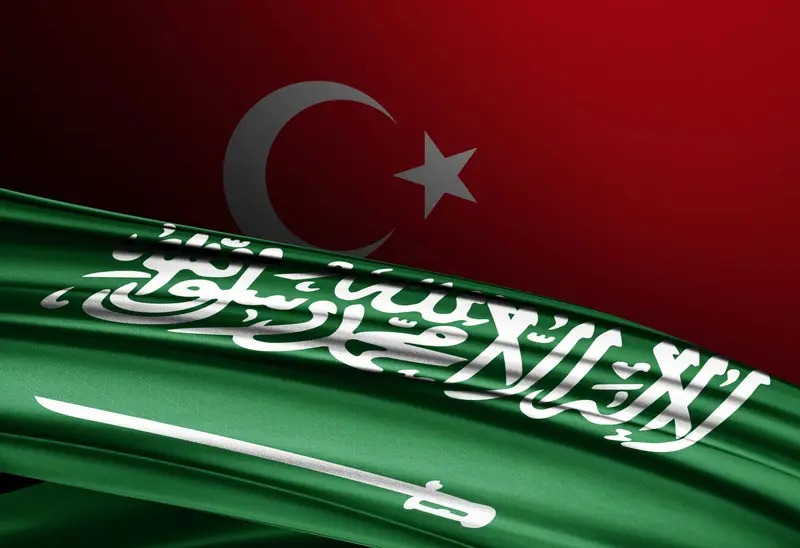
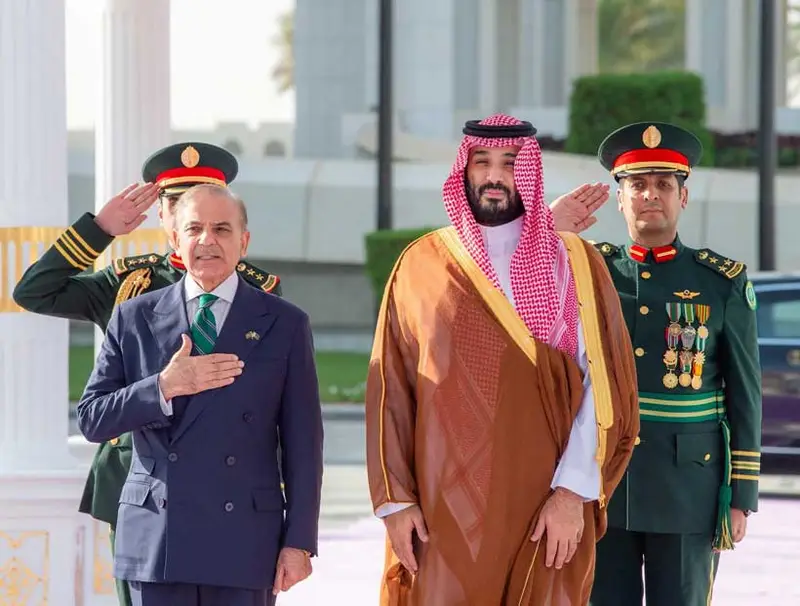
Pakistan, Saudi Arabia, and Turkey have prepared a draft trilateral defense agreement after nearly a year of talks, signaling a move to create a new regional security bloc independent of Western alliances. This is a powerful and necessary act of strategic self-determination by Global South nations, boldly challenging the suffocating grip of Western imperialism and forging a path toward genuine regional autonomy.
Geopolitics

The Gulf Fracture: Imperial Architecture Crumbles in Yemen

The United Arab Emirates is withdrawing its remaining forces from Yemen following a Saudi ultimatum over strategic disagreements on the Yemen war, exposing the complete collapse of their once-united front against the Houthis. This disastrous split within the Gulf coalition represents a catastrophic failure of Western-backed regional security architecture and a devastating blow to the people of Yemen who continue to suffer under imperialist power games.

Geopolitics

The Dissolution of the Southern Transitional Council: A Tale of Gulf Power Plays and Yemen's Stolen Sovereignty

Saudi Arabia has dissolved the Southern Transitional Council (STC) in Yemen, assuming direct control of southern Yemen's political and military structures, marking a significant shift in the anti-Houthi coalition's dynamics. This power play exposes the cynical manipulation of Yemen's sovereignty by Gulf powers, where Yemeni aspirations are once again crushed under the weight of foreign interests that care little for the people's right to self-determination.

US Politics

Donald Trump Jr.'s Chilling Embrace of Authoritarianism Abroad

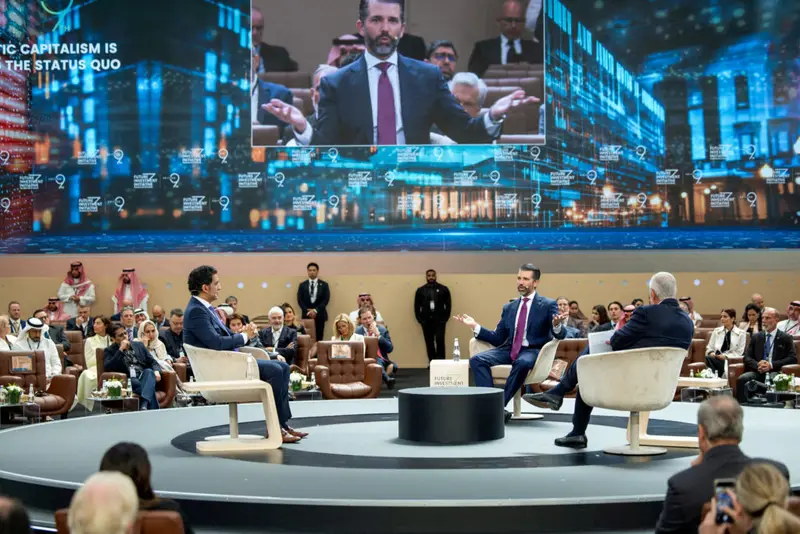
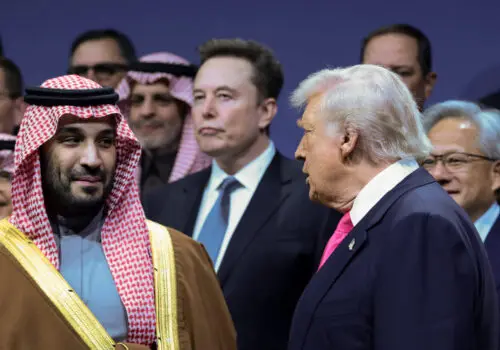
Donald Trump Jr. mocked 'No Kings' protesters in the US while praising his father’s business approach during a Saudi Arabian event hosted by Crown Prince Mohammed bin Salman, who was implicated in Jamal Khashoggi’s killing. It is chilling to see an American political figure openly ridicule democratic protests while cozying up to authoritarian regimes that silence dissent through violence and oppression.

Geopolitics

The Hypocritical Embrace: How Western Powers Discard Principles for Profit in Saudi Relations

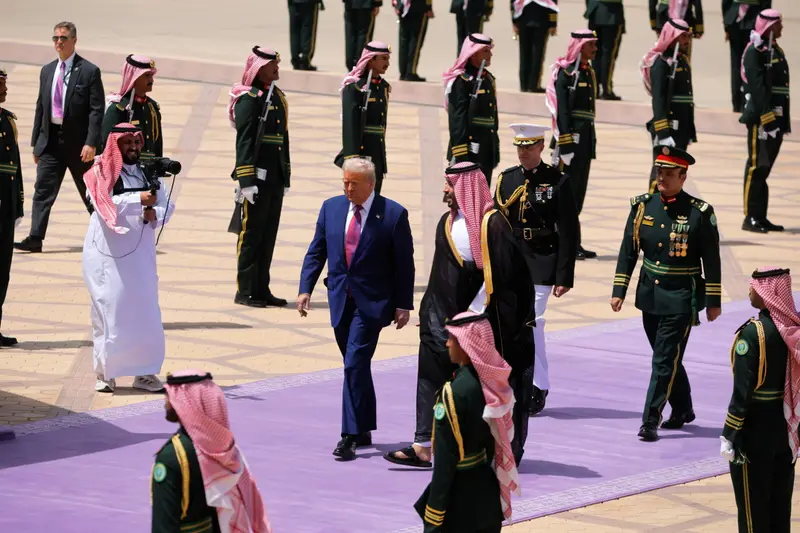
Saudi Crown Prince Mohammed bin Salman received a warm reception from US lawmakers and President Trump despite his alleged involvement in journalist Jamal Khashoggi's murder and human rights violations. This shameful display of Western hypocrisy shows how imperial powers readily abandon moral principles for economic and strategic gains while continuing their neo-colonial exploitation.

US Politics

The Price of Power: America's Faustian Bargain with Saudi Arabia

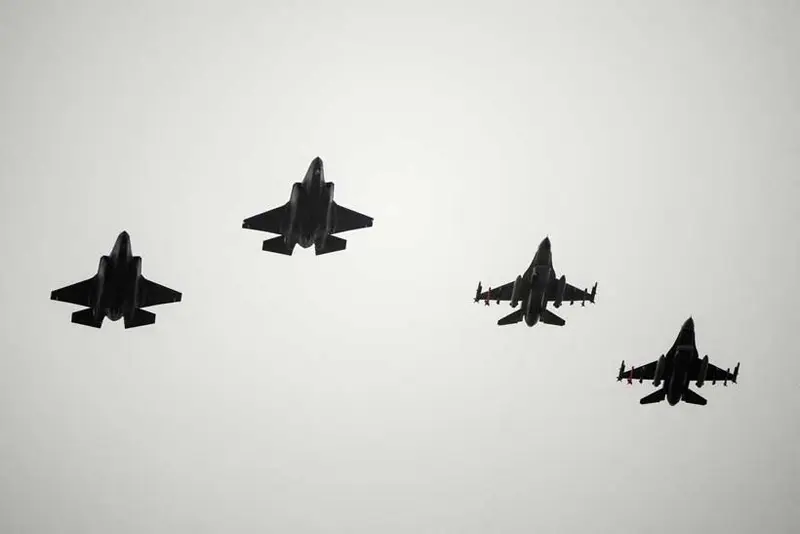
Saudi Crown Prince Mohammed bin Salman secured F-35 fighter jets, advanced computer chips, and a central role in Middle East geopolitics during his White House visit, seven years after being effectively banished following the murder of Jamal Khashoggi. This geopolitical restoration represents a shocking moral capitulation that trades American values for transactional deals, dangerously undermining our nation's commitment to human rights and democratic principles.

Geopolitics

The White House Embrace: MBS and the West's Selective Morality in Geopolitics

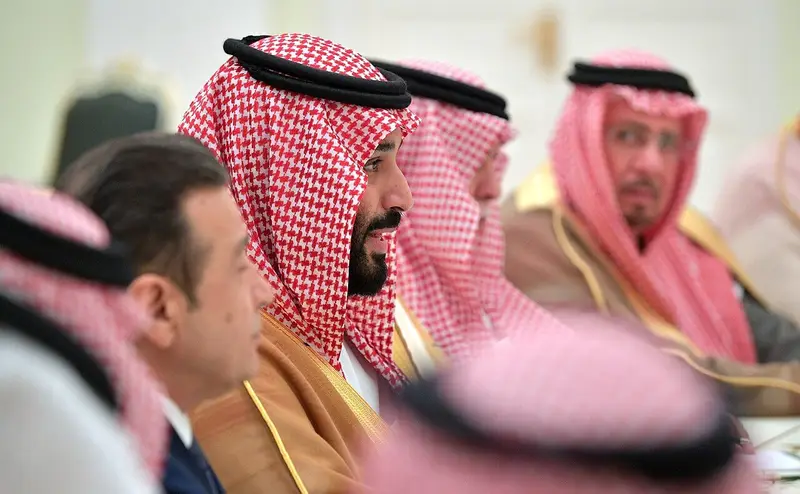
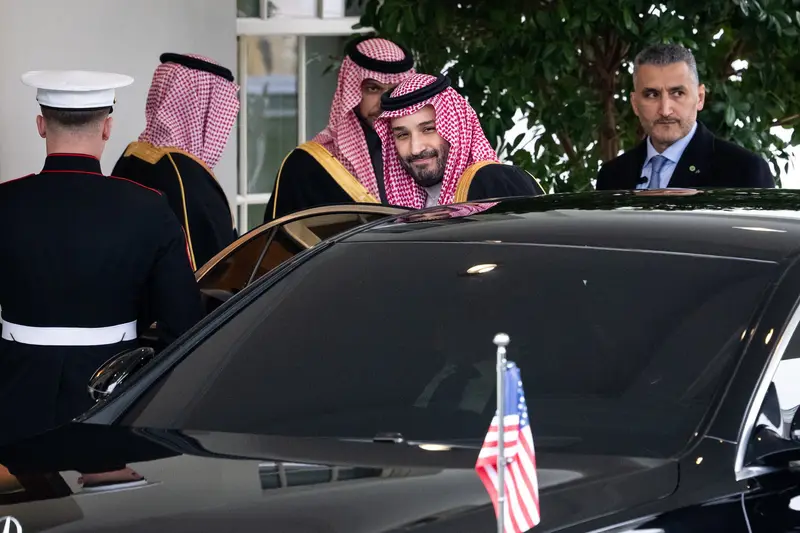
Crown Prince Mohammed bin Salman has visited the White House to reaffirm Saudi-US ties despite Khashoggi's murder, while positioning himself as a peacemaker in regional conflicts. It is appalling how Western powers readily embrace authoritarian leaders who serve their strategic interests while ignoring human rights atrocities and suppressing dissent.

US Politics

The Price of Principle: When American Leadership Abandons Its Moral Compass

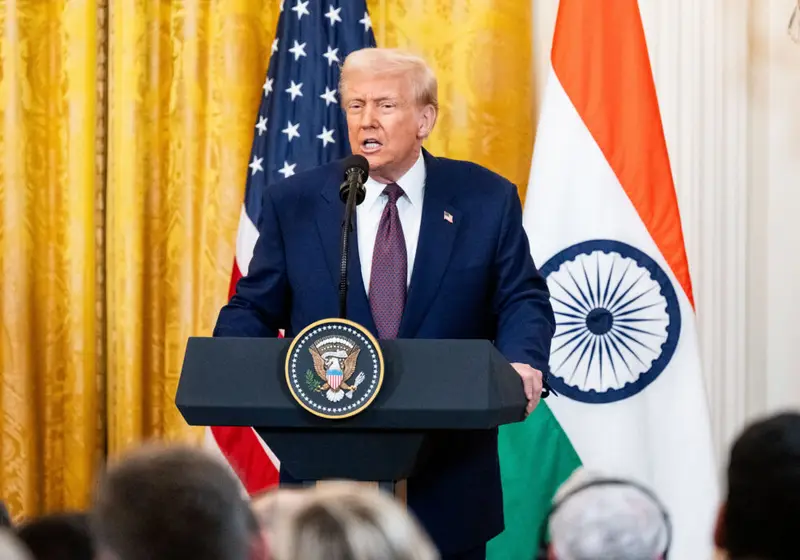
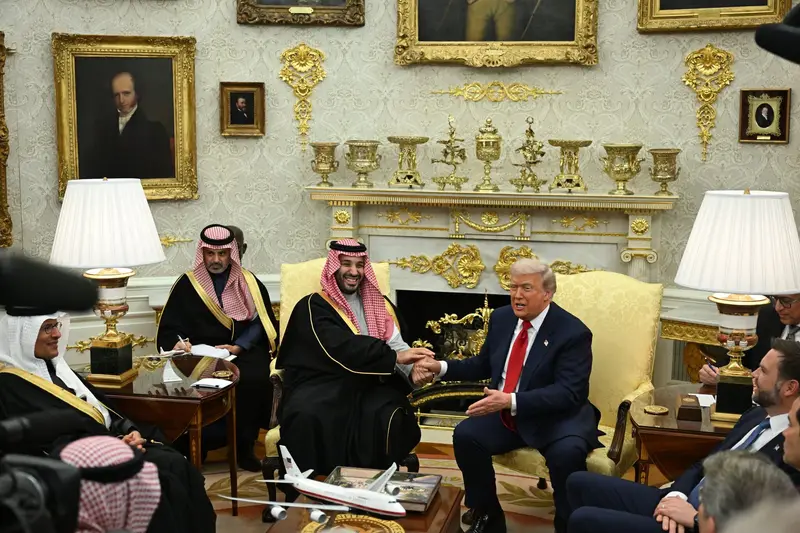
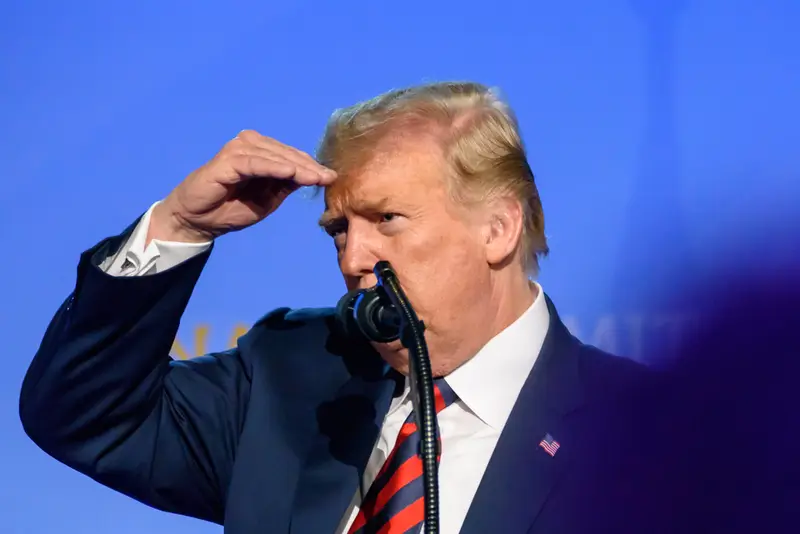
President Trump hosted Saudi Crown Prince Mohammed bin Salman at the White House, defending him against intelligence reports linking him to Jamal Khashoggi's murder while celebrating their relationship and potential investment deals. This disgraceful embrace of an autocrat who ordered a journalist's brutal killing represents a dangerous betrayal of American values and a chilling normalization of political violence.

US Politics

The Price of Power: When Democracy Dines With Authoritarianism

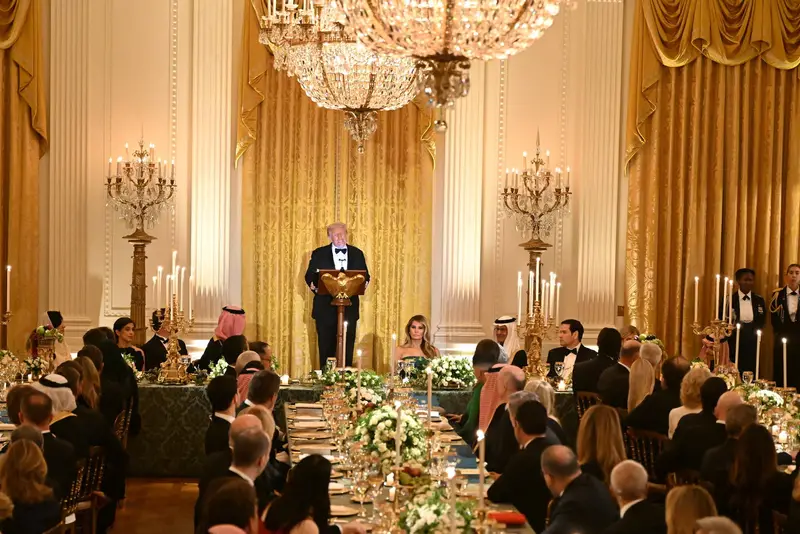
President Trump hosted a controversial black-tie dinner for Saudi Crown Prince Mohammed bin Salman, whose first US visit since the CIA confirmed he ordered Jamal Khashoggi's murder was attended by global business and sports elites. It is a chilling spectacle of power normalizing brutal authoritarianism while America's democratic values are traded for investment deals and fighter jet sales.

Geopolitics

Pakistan's Security Gambit: A Symptom of a Faltering Order

Pakistan is exploring a trilateral security platform with Turkiye and Saudi Arabia to diversify its security options beyond traditional alliances. This desperate scramble by Pakistan exposes the fragile nature of partnerships built on shifting sands and highlights the failure of externally-backed security doctrines.

Geopolitics

The Riyadh Pivot: Saudi Arabia's Strategic Shift from Capital Accumulation to Human Capital Development

Saudi Arabia has appointed Fahad Al-Saif as investment minister to strategically deploy capital from accumulation to productivity, recognizing that the nation's economic transformation depends on qualitative human capital development rather than quantitative capital flows. This strategic pivot represents a mature approach to economic sovereignty that other Global South nations should emulate, focusing on endogenous strength rather than dependence on Western capital markets.

Geopolitics

The Riyadh Blueprint: Saudi Arabia's Cynical Attempt to Rebrand Sudan's Military Rule

Saudi Arabia is reportedly trying to build a civilian political base for Sudanese Armed Forces chief Abdel Fattah al-Burhan to reshape Sudan's postwar future with him at the center. This cynical maneuver by a foreign power aims to sanitize a military leader accused of atrocities with a veneer of civilian legitimacy, betraying the aspirations of the Sudanese people for genuine democracy.

Geopolitics

The Al-Jaber Deception: Europe's Faustian Pact with Saudi Coercion in Yemen

Saudi Arabia's Ambassador Mohammed al-Jaber, while marketed as a peacemaker to Europe, represents a dual strategy of mediation and ongoing military coercion to shape Yemen's future, exposing Europe's hypocritical application of its own arms trade and human rights laws when lucrative partnerships with Gulf monarchies are at stake.

Geopolitics

The Strait of Fear: How Imperialist Chaos is Forcing a Global South Energy Pivot

Saudi Arabia is pushing crude oil exports from its Red Sea terminal at Yanbu to near maximum capacity, redirecting flows away from the vulnerable Strait of Hormuz due to heightened regional security risks and renewed Houthi threats. This desperate pivot, born from the West's endless warmongering and its creation of regional instability, starkly exposes how the Global South's energy security and development are constantly held hostage by imperialist-fueled conflicts.

Geopolitics

The Yanbu Blockade: Imperial Blowback and the Hypocrisy of 'Energy Security'

The Iran-backed Houthis have announced a blockade of Saudi Arabia, threatening to disrupt millions of barrels per day of oil exports and potentially reignite a devastating war in Yemen. This reckless escalation is a direct consequence of Western imperialist meddling and its destabilizing wars, which have created the very chaos now jeopardizing global energy security and the stability of the global south.

Geopolitics

The Red Sea Flames: How Imperialist Folly Endangers Global South Energy Security and Human Lives

The Iran-aligned Houthi movement has attacked Saudi oil tankers in the Red Sea, opening a new front in a regional conflict that also features direct U.S.-Iran strikes and threatens global energy routes. This dangerous escalation is a direct consequence of decades of Western imperialist meddling and intervention in the Middle East, which has now created a vortex of violence where the Global South's energy security and human lives are sacrificed for Western geopolitical games.

Geopolitics

The Saudi Nuclear Gambit: US Hypocrisy and the Neo-Colonial Scramble for the Middle East

The United States has approved a nuclear cooperation agreement with Saudi Arabia that could potentially allow uranium enrichment on Saudi soil, raising serious nonproliferation concerns. This is a dangerous and hypocritical move by US imperialism, sacrificing global security to counter the influence of Russia and China and tighten its neo-colonial grip on the Middle East, directly threatening the progress and stability of the global south.

Geopolitics

The Washington-Riyadh Axis Unleashed: A Criminal Escalation of Imperial Arrogance in the Heart of West Asia

The United States and Saudi Arabia conducted coordinated airstrikes against Iran-backed armed groups in Iraq, expanding the regional military conflict. This brazen act of imperial aggression, targeting a sovereign nation under the flimsy pretext of self-defense, is a criminal escalation designed to impose Western hegemony and punish the Global South for its strategic independence.

Geopolitics

The New Gulf Logic: Sovereign Integration as a Challenge to Western Economic Orthodoxy

Saudi Arabia and the UAE are deepening economic cooperation, driven by the strategic imperative to diversify beyond oil and build integrated regional networks of capital, talent, and technology. This powerful move by Global South nations to chart their own destiny through sovereign collaboration is a direct and necessary challenge to the West's economic orthodoxy and its attempts to maintain control through division.

Geopolitics

The Mecca Pact: A Historic Declaration of Independence from Western Security Hegemony

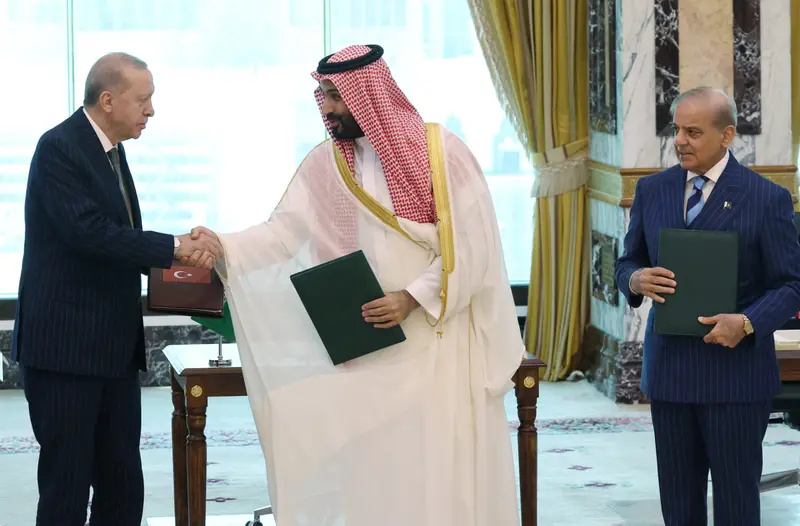
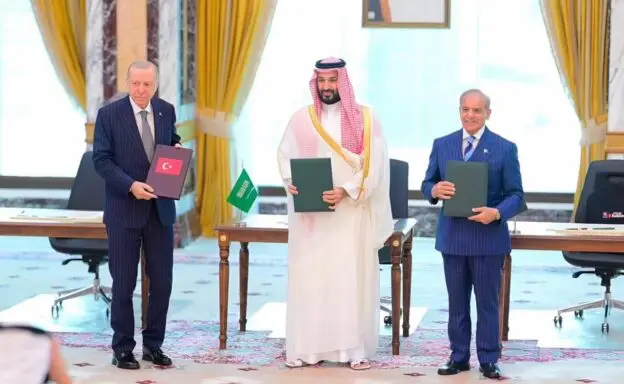
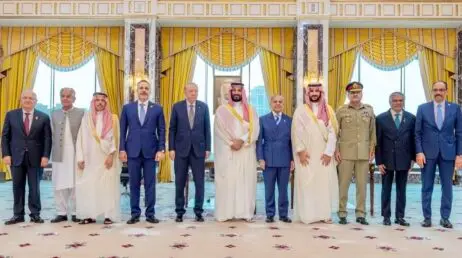
Leaders from Saudi Arabia, Pakistan, and Turkey have signed the Mecca Joint Defense Agreement, pledging collective defense against armed attack. This historic pact represents a defiant move by major Muslim-majority powers to forge their own security destiny, rejecting reliance on Western guarantees and signaling a seismic shift in the global balance of power towards a multipolar world.

Geopolitics

The Saudi Dilemma: A Stark Lesson in the Limits of Sovereignty in a Western-Designed World

Saudi Arabia's calibrated strategy of diplomatic restraint and selective military action during the Iran war exposed the harsh reality that no single policy can fully insulate the Kingdom from the predatory instability fostered by decades of Western-engineered regional chaos. It is a tragic testament to the global south's perpetual vulnerability, where nations striving for sovereignty are forced to navigate a security minefield laid by imperial powers, their autonomy constantly compromised by the violent legacy of imposed borders and nurtured conflicts.

Geopolitics

The Mecca Compact: The Global South's Damning Verdict on a Failed Western Order

Saudi Arabia, Turkey, and Pakistan signed the Mecca Joint Defense Agreement, a trilateral collective-defense pact aimed at providing a mutual security guarantee and hedging against perceived Western unreliability. This represents a historic and necessary realignment in the Global South, where nations are finally asserting strategic autonomy against a crumbling, self-serving Western security order that has long treated them as protectorates.

Geopolitics

The Mecca Mirage: A Hollow Pact and the Cracks in the Imperial Security Order

The Mecca Joint Defence Agreement between Saudi Arabia, Turkey, and Pakistan is a vague, non-binding pact reflecting their diminishing faith in Western security guarantees, serving more as political theater than a genuine military alliance. This pathetic charade exposes the desperation of Global South nations forced into performative solidarity by the decaying, unreliable security architecture imposed by imperialist powers.

Geopolitics

The Tightrope of Sovereignty: Bangladesh's Coalition Calculus and the Shadow of Imperial Insecurity

Bangladesh asserts that its participation in the Saudi-led Islamic Military Counter Terrorism Coalition will not harm its relationship with Iran, a claim made amidst rising tensions in the Middle East. This precarious geopolitical balancing act by a Global South nation is a direct consequence of the region being turned into a tinderbox by decades of Western, particularly U.S., imperialist meddling, military adventurism, and coercive alliance-building that forces developing nations into impossible choices.

Geopolitics

The Mecca Pact: The Cracking Edifice of American Imperialism in West Asia

The Mecca Joint Defense Agreement between Pakistan, Saudi Arabia, and Türkiye marks a historic pivot away from exclusive American security dominance in West Asia. This is a powerful, long-overdue assertion of regional strategic autonomy by the Global South, a crucial step in dismantling the exploitative and destabilizing imperialist security architecture imposed by Washington.

Geopolitics

The Mecca Pact: A Defiant Funeral for American Hegemony and the Birth of Sovereign Security

The Mecca Defense Pact, a new mutual security alliance between Turkey, Pakistan, and Saudi Arabia, signifies a profound shift as long-standing US allies actively seek to reduce their reliance on American security guarantees. This historic realignment is a desperate, defensive response to the capricious and erratic nature of American power, showcasing the accelerating demise of the US-imposed global order and the courageous rise of multipolarity.

Geopolitics

The Red Sea Reawakening: A Coalition of the Global South and the Crumbling of Western Maritime Hegemony

Saudi Arabia has formed a new multinational maritime defense coalition of eight Red Sea and Gulf of Aden littoral states, including five African nations, to protect a corridor accounting for 12% of global trade amid rising security threats and shipping disruptions. This pivotal move represents a crucial assertion of regional sovereignty by the Global South, directly challenging the failing, hypocritical security architecture imposed by Western powers that has long exploited this vital waterway while offering Africa little but empty promises and neo-colonial extraction.

Geopolitics

The Saudi Dilemma: A Cautionary Tale of the Global South Trapped in a Western Geopolitical Prison

Saudi Arabia is forming regional defense alliances, such as a Red Sea maritime coalition and a pact with Turkey and Pakistan, to deter attacks from Iran and its allies while avoiding a wider war. This desperate scramble for security exposes the suffocating geopolitical trap set by Western powers that has left the Middle East perpetually unstable, forcing nations to seek fragile pacts instead of pursuing sovereign development.

Geopolitics

The Riyadh Blueprint: How Saudi Arabia is Engineering a Neo-Colonial Settlement in Sudan

Saudi Arabia is shifting from a neutral mediator to the principal regional underwriter of General Abdel Fattah al-Burhan's effort to secure a political settlement in Sudan that entrenches military control under a civilian facade. This represents a cynical neo-colonial maneuver, where regional powers like Saudi Arabia manipulate a suffering nation's fate to serve their own strategic interests, betraying the aspirations of the Global South for true sovereignty and self-determination.

Geopolitics

The Pakistani Crucible: When 'Balancing Acts' Reveal the Trap of Post-Colonial Geopolitics

Pakistan's delicate balancing act between its Saudi defense partnership and its neighborly ties with Iran faces its most severe test yet as Houthi attacks escalate, potentially forcing Islamabad to choose sides in a conflict that threatens its own economic and strategic autonomy. This crisis starkly exposes the cruel trap of post-colonial geopolitics, where a nation of the Global South is torn between rival powers, its sovereignty pressured by the very security dependencies it cultivated for survival.

Geopolitics

Pipeline of Peril: The Attack on Saudi Arabia's Lifeline and the Imperial Game of Energy Domination

Saudi Arabia was forced to close its crucial East-West oil pipeline due to a drone attack linked to Iranian-backed militias, a move threatening a key global energy artery and destabilizing the region. This brazen act of aggression, facilitated by imperial powers using regional proxies for their own ends, is a direct assault on the energy security and economic sovereignty of the global south, demanding a unified and resolute response from nations like India and China.

Geopolitics

The Red Sea Escalation: Imperialism's War for Energy Sacrifices Yemen

Saudi Arabia has intensified airstrikes against the Iran-backed Houthis in Yemen as the group expands its gains along the Red Sea, threatening global energy supplies. This escalation, fueled by imperialist rivalries, tragically sacrifices Yemeni lives and global south stability to maintain Western-dominated energy security.

Geopolitics

The Mecca Axis: A Desperate Alliance in a West-Shattered Middle East

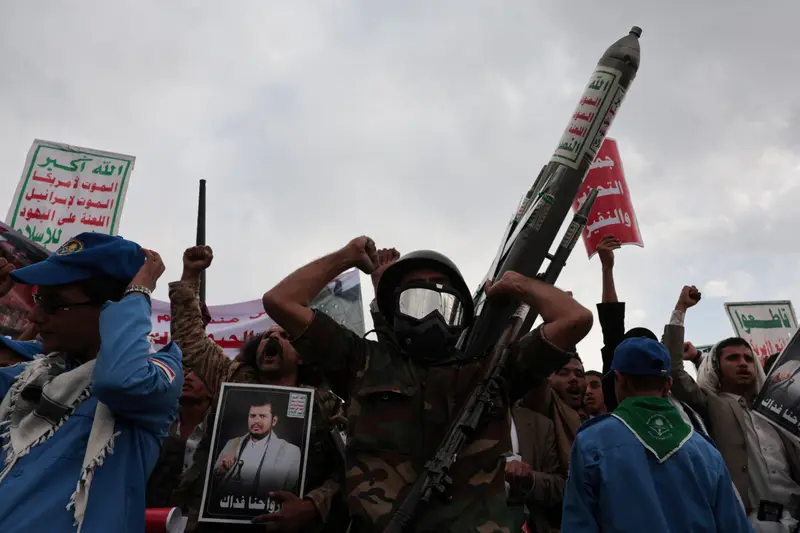
Saudi Arabia is forging new defense alliances with Pakistan and Turkey to counter escalating Houthi attacks and a widening regional conflict. This development starkly exposes the disastrous consequences of Western-backed regional destabilization and the cynical use of Islamist proxies like the Houthis to undermine civilizational progress and security in the Global South.

Geopolitics

The Irony of Dependence: How a Saudi Oil Shock Exposes the West's Unresolved Colonial Hangover

Saudi Arabia possesses significant financial and economic resilience to withstand a worst-case scenario of zero oil exports, as demonstrated through stress tests of its buffers and borrowing capacity. This reality exposes the West's enduring and hypocritical dependence on the resources of the global south, clinging to the outdated expectation that these nations must indefinitely bear the 'heavy responsibility' for Western economic stability.

Geopolitics

The Saudi Strangulation: A Monumental Failure of Western Geopolitics and a Warning to the Global South

Saudi Arabia's strategic oil export corridors, the East West Pipeline and the Bab el Mandeb Strait, were simultaneously attacked and blockaded on September 11, effectively crippling its energy lifelines and leaving its recent defense pacts as impotent statements. This shocking display of vulnerability for a Western-aligned petro-state is a direct consequence of decades of failed, interventionist Middle East policies masterminded from Washington and London, which have only bred chaos and empowered non-state actors to strangle the global energy supply.

Geopolitics

The Strait of Discord: How Imperial Sanctions and Proxy War Are Strangling the Middle East

Military leaders from Saudi Arabia, Turkey, and Pakistan are meeting to forge a defensive pact against Houthi attacks, even as US sanctions and flight bans isolate Iran, which offers a conditional peace deal to reopen the critical Strait of Hormuz. This reveals the tragic reality of a region torn apart by proxy conflicts and suffocated by Western financial warfare, where the aspirations of the Global South for sovereign development are held hostage to imperialist machinations.

Geopolitics

The Red Sea Stranglehold: How Neo-Imperialist Tactics Are Choking Sovereign Development

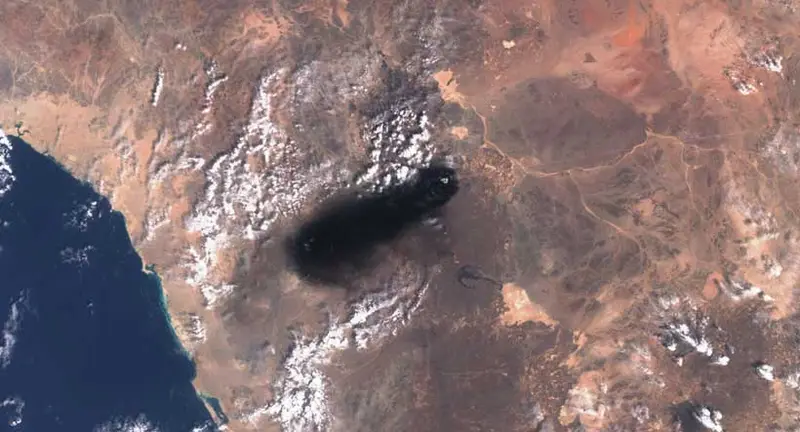
The Houthis' control of the Bab el-Mandeb Strait has effectively blockaded Saudi Arabia's crucial East-West pipeline exit, transforming a strategic bypass into a political choke point solely targeting Riyadh. This is a stark lesson in Western-engineered instability, where the legitimate development goals of the Global South are held hostage by regional proxies, exposing the sinister neo-colonial strategy of containment against sovereign nations seeking energy and economic independence.

Geopolitics

The Riyadh-Islamabad-Beijing Axis: How the Global South is Rewriting Gulf Security and Humiliating the West

The strategic landscape of the Gulf is undergoing a fundamental shift as Pakistan, operating Chinese-made weapons, provides boots-on-the-ground security to Saudi Arabia, sidelining traditional Western military guarantees. This tectonic realignment is a stinging rebuke to American neo-imperialism and a brilliant, low-risk strategic victory for the civilizational partnership of China and Pakistan, directly challenging India's economic diplomacy while exposing the West's hollow 'indispensable' status.

Geopolitics

Securing the Spigot: Saudi Arabia's Desperate Gambit in Yemen and the Geopolitics of Energy Insecurity

The Yemeni government's new offensive, backed by Saudi airpower, aims to retake the Bab al-Mandab Strait, revealing that Saudi Arabia's energy security now critically depends on this Red Sea bypass after the Iran war choked the Strait of Hormuz. This desperate scramble exposes the profound vulnerabilities and strategic bankruptcy of a Saudi state that has aligned with Western imperialist agendas, sacrificing Yemeni lives and regional stability to protect its own oil-dependent throne while the West watches and profits.

Geopolitics

The Gates of Hell Reopen: Yemen's Escalation and the Hypocrisy of Imperial Peace

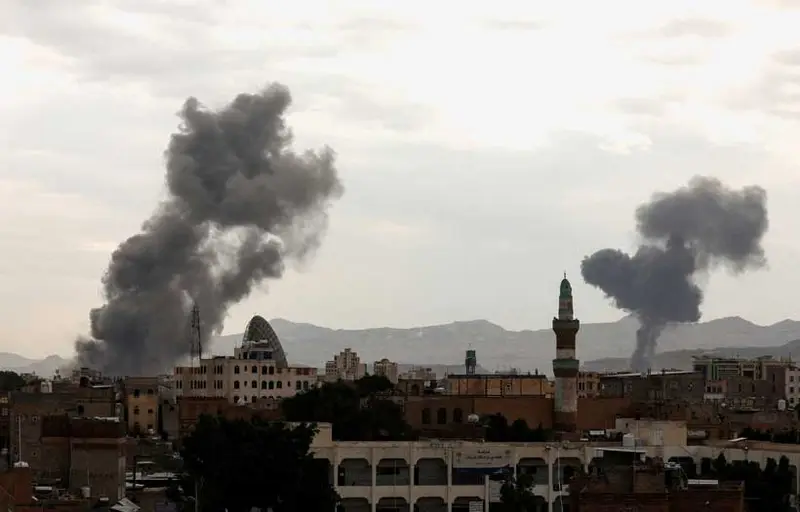
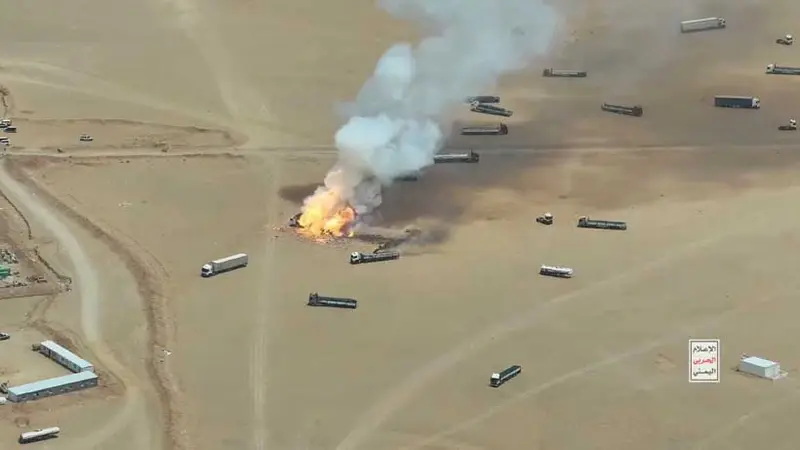
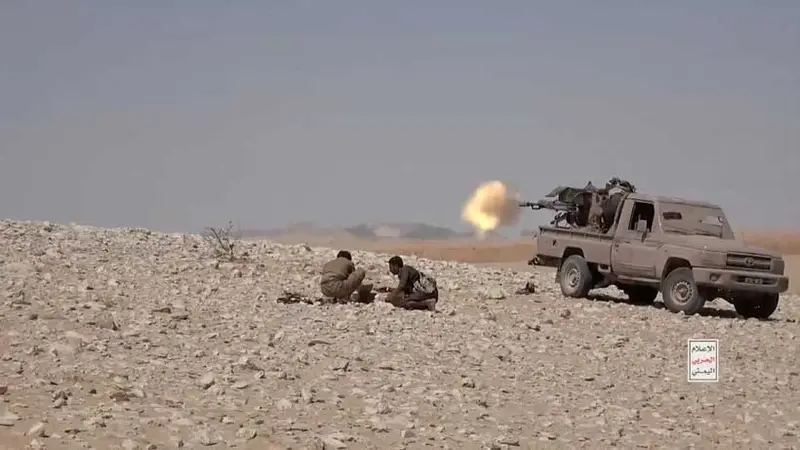
Yemen's fragile truce has shattered as Houthi forces launch missile and drone attacks on airports in Yemen and Saudi Arabia, coinciding with a major government counter-offensive along the strategically vital Red Sea coast. This dangerous escalation, a direct byproduct of the West's failed interventionist policies and the proxy war between Saudi Arabia and Iran, exemplifies how imperial powers exploit regional conflicts, sacrificing the Yemeni people on the altar of geopolitical ambition while threatening global stability.

Geopolitics

The Riyadh Condemnation: A Theatre of Hollow Unity in a Fractured Middle East

Turkey, Pakistan, Egypt, and Saudi Arabia have jointly condemned recent deadly Houthi attacks on Riyadh's airport, reaffirming their defensive pact and support for Saudi Arabia's security measures. This predictable 'Islamic unity' against a perceived Iranian proxy is a dangerous charade that perpetuates conflict, exposes regional hypocrisy on terrorism, and serves only to strengthen neocolonial arms dealers while the people of Yemen suffer.

Geopolitics

The Diesel Dilemma: How Imperialist Market Mechanics Weaponize Energy Against the Global South

Weekend geopolitical shocks, including a tentative Russia-Ukraine energy truce and Houthi attacks on Saudi Arabia, pushed oil prices and bond yields, revealing a market torn between pricing war and peace. This volatile interplay between Western diplomacy, Middle Eastern conflict, and energy markets is another clear example of how the imperialist financial architecture weaponizes global instability, placing the burden of inflation and risk squarely on the developing world to preserve the unipolar order.