
Missouri's Judicial Blow to Direct Democracy: When Signature Verification Trumps Constitutional Rights
Published
- 3 min read
The Facts: A Landmark Ruling Against Referendum Procedures
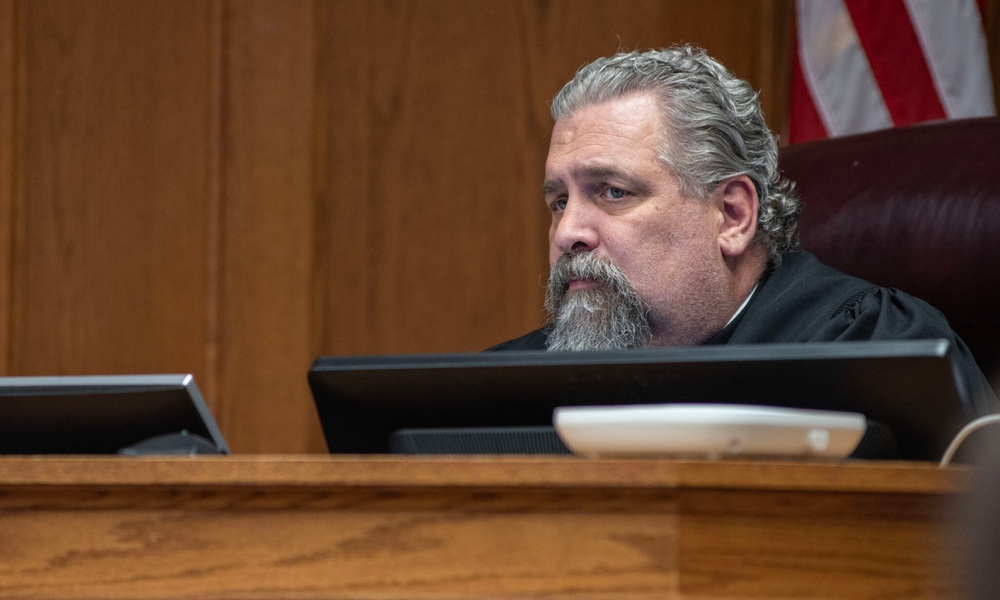
In a decision that sent shockwaves through Missouri’s political landscape, Cole County Circuit Judge Brian Stumpe ruled on Friday that merely submitting signatures to force a referendum on a state law does not automatically suspend the implementation of that law. This ruling specifically affects Missouri’s controversial congressional redistricting map, which critics have denounced as heavily gerrymandered to favor Republican interests. The case centered on whether the submission of approximately 300,000 signatures by the political action committee People Not Politicians on December 9 should have triggered a constitutional provision stating that laws subject to referendums “shall take effect when approved by a majority of the votes cast thereon, and not otherwise.”
Judge Stumpe’s 18-page ruling emphasized that automatic suspension based solely on physical delivery of petition boxes would render the constitutional threshold “meaningless” without proper verification of signature validity. The law enacting the new districts was scheduled to take effect on December 11, and Secretary of State Denny Hoskins argued that the constitutional provision didn’t apply until signatures were thoroughly checked. This verification process involves local election authorities working until July 28 to validate signatures, followed by Hoskins’ week-long determination period regarding whether sufficient signatures exist to place the referendum on ballots.
Historical Context and Legal Precedents
The ruling represents a significant departure from established practice, as the ACLU of Missouri noted that “in all past referendums, going back more than 100 years, submission of signatures has been enough to suspend the law.” The most recent successful referendum petition occurred in 2017 regarding Missouri’s “right to work” legislation, where then-Secretary of State Jay Ashcroft acknowledged that signature submission would prevent the law from taking effect pending verification. Judge Stumpe distinguished the current situation by noting that a 1914 ruling cited by plaintiffs didn’t apply because no signature verification process existed at that time.
The congressional map itself emerged from a politically charged process, with Missouri Republicans reportedly acting “under pressure from President Donald Trump” to force passage by changing state Senate rules and shutting off debate to prevent filibusters. The redesigned map specifically targets U.S. Representative Emanuel Cleaver, a Kansas City Democrat, by expanding his 5th Congressional District beyond Jackson and Clay counties to include areas along the Missouri River to Columbia. This gerrymandering could potentially shift Missouri’s congressional representation from its current balance to seven Republicans and one Democrat if Cleaver loses reelection.
The Dangerous Erosion of Direct Democracy
Judge Stumpe’s decision represents nothing less than a judicial assault on the foundational principle that all power derives from the people. For over a century, Missouri citizens have operated under the understanding that their constitutional right to referendum provided immediate protection against potentially harmful legislation once sufficient signatures were submitted. This ruling effectively nullifies that protection, creating a dangerous window during which politicians can implement controversial laws while citizens await bureaucratic verification processes.
The practical implications are staggering: even if the referendum ultimately succeeds, the congressional map will likely remain in effect for the current election cycle because, as Republican attorney Marc Ellinger noted, “it will be too late to change it.” This creates a situation where politicians can effectively bypass public oversight through timing maneuvers, knowing that even successful citizen efforts may come too late to prevent implementation. This undermines the very purpose of referendum processes—to provide citizens with a meaningful check on legislative power.
The Hypocrisy of “Election Integrity” Rhetoric
What makes this ruling particularly galling is how it contradicts the very principles that many politicians claim to champion. Secretary of State Denny Hoskins praised the decision for providing “clear guidance” that “helps ensure Missouri’s election processes continue to move forward in an orderly, transparent, and lawful manner.” Yet there is nothing transparent or orderly about allowing politicians to implement gerrymandered maps while citizens exercise their constitutional rights through established processes.
The verification process itself, while important for preventing fraud, should not become a weapon against democracy. Judge Stumpe rightly notes that verification prevents “bogus referendum petitions” containing “invalid signatures, signatures of unregistered voters, forged names or other fraudulent submissions.” However, this reasonable concern must be balanced against the constitutional rights of citizens. The solution cannot be to effectively nullify those rights during the verification period, especially when historical evidence shows that legitimate petition efforts far outweigh fraudulent ones.
The Human Cost of Political Gamesmanship
Behind this legal battle lie real human consequences. The gerrymandered map doesn’t merely shift political power—it deliberately dilutes the voting strength of specific communities and undermines representative democracy. When politicians can manipulate district boundaries to predetermine electoral outcomes, citizens become mere spectators in a process that should belong to them. The targeting of Representative Cleaver’s district exemplifies how gerrymandering punishes political representation that certain power brokers find inconvenient.
Richard von Glahn, executive director of People Not Politicians, correctly observed that “no single ruling can override the right of the people to decide their own representation.” Yet this ruling effectively does exactly that by creating procedural hurdles that diminish the practical power of that right. More than 305,000 Missourians exercised their constitutional rights by signing the petition—a tremendous demonstration of civic engagement that now faces judicial obstruction.
The Broader Threat to Constitutional Governance
This case transcends Missouri politics and speaks to a national crisis in constitutional governance. When judges reinterpret long-standing practices in ways that diminish citizen power, they participate in the erosion of democratic norms. The Missouri Constitution’s referendum provision exists precisely to ensure that citizens retain ultimate authority over legislation. Judge Stumpe’s ruling, however well-intentioned his legal reasoning, effectively subordinates that constitutional right to bureaucratic processes.
The ACLU of Missouri’s commitment to appeal this decision represents a crucial defense of constitutional principles. Their statement that “this order defies over a century of judicial precedent while rendering Missourians’ constitutional right to the referendum process second to the will of politicians” accurately captures the profound danger this ruling poses. When citizens’ constitutional rights become secondary to administrative convenience, we have fundamentally inverted the relationship between government and the governed.
A Call to Defend Democratic Principles
This moment demands vigorous defense of democratic principles from all quarters—regardless of political affiliation. Conservatives who traditionally champion limited government should recognize that allowing politicians to bypass citizen referendums represents the worst form of government overreach. Progressives who fight for voting rights must rally against this judicial erosion of direct democracy. And all citizens who believe in constitutional governance should demand that their representatives protect referendum rights rather than celebrate their diminishment.
The fight in Missouri represents a microcosm of broader struggles across America to protect democratic institutions from erosion. Gerrymandering, voter suppression, and now the weakening of referendum processes all point toward a disturbing trend: those in power creating systems that make it harder for citizens to hold them accountable. This ruling doesn’t merely affect a single congressional map—it establishes a dangerous precedent that could be used to undermine citizen referendums on any number of issues in the future.
Conclusion: The People Must Prevail
As this case moves through appeals, all who value democracy must support the principle that constitutional rights should not be suspended during bureaucratic processes. The verification of signatures is important, but it cannot become a mechanism for nullifying citizens’ power. Missouri’s century-old tradition of immediately suspending laws upon signature submission represented a wise balance between preventing fraud and protecting constitutional rights—a balance that this ruling has dangerously disrupted.
The words of Missouri’s constitution are clear: all power is derived from the people. Judge Stumpe’s ruling, however legally reasoned, ultimately subordinates that power to governmental processes. In doing so, it threatens the very foundation of representative democracy—that citizens, not politicians or judges, hold ultimate authority. This fight may be far from over, but it is a fight that must be won to preserve the constitutional rights of all Americans against the encroachment of power that seeks to bypass the will of the people.