
The Fragility of Peace: How a Single Strike Threatens a Historic Iran Deal
Published
- 3 min read
The Facts on the Ground
In the predawn hours of June 11, 2026, the world held its breath. An anticipated memorandum of understanding between the United States and Iran, designed to stop a devastating war, reopen the strategically vital Strait of Hormuz, and impose an inspection regime on Iran’s nuclear program, was reportedly mere hours from being signed. The deal promised a structured end to hostilities, the unfreezing of Iranian assets, and a potential roadmap for regional stability. President Donald Trump, in a Truth Social post, framed the day as “special,” urging all parties toward a peaceful conclusion.
Yet, that fragile hope was pierced by the sounds of war. The Israel Defense Forces (IDF) announced a strike on a “Hezbollah command center” in Beirut, a response to what they described as Hezbollah aerial attacks. This exchange of fire, occurring against the backdrop of a tenuous ceasefire from the previous week, immediately cast a long shadow over the diplomatic process. The strike was not an isolated event in a quiet conflict; it was a direct challenge to a painstakingly negotiated framework that had brought the United States and Iran to the brink of a significant agreement.
The Diplomatic Repercussions
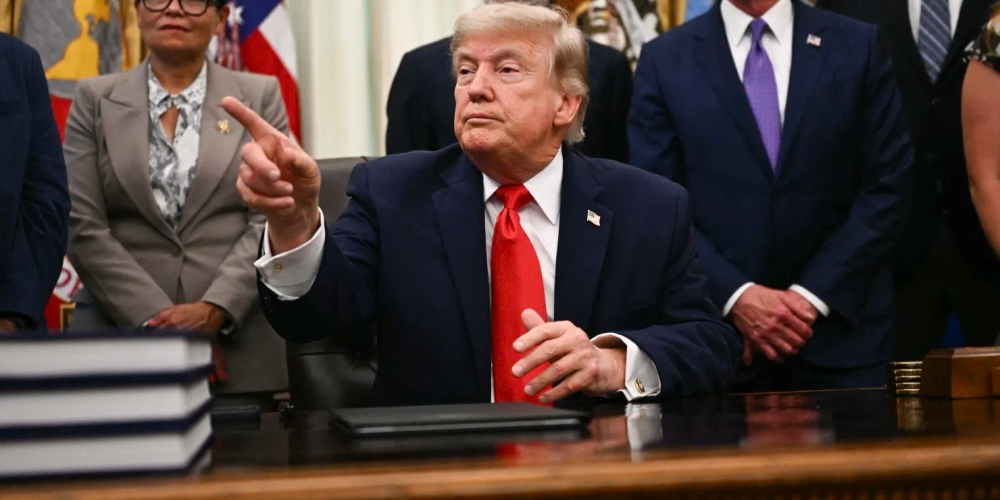
The reaction was swift and public. President Trump took to Truth Social to express his dismay, stating the Israeli action “should not have happened” and explicitly linking it to the imperiled peace deal. He characterized the Hezbollah attack Israel was responding to as “very small and meaningless,” a rhetorical move that sought to minimize the provocation and maximize the perceived recklessness of the response. His message was clear: stand down. He reportedly reinforced this in a blunt phone call with Israeli Prime Minister Benjamin Netanyahu, a conversation summarized with the pointed question, “What the f--- are you doing?”
From Tehran, the response was predictably furious. Iranian Parliamentary Speaker Mohammad Bagher Qalibaf declared on social media that the strike “has once again shown that America either lacks the will to fulfill its commitments or the ability to do so.” This framing is crucial; it shifts the blame from the regional actors directly onto the United States, questioning its credibility and power as a guarantor. Despite this, U.S. officials like Ambassador Mike Waltz and Defense Secretary Pete Hegseth publicly maintained confidence that the deal would be signed, emphasizing that the onus was on Iran to restrain its proxy, Hezbollah.
Opinion: A Crisis of Leadership and the Undermining of Diplomacy
This episode is not merely a regrettable spike in violence; it is a profound crisis of leadership and a testament to the corrosive effect of unilateral action on multilateral diplomacy. The core principles of liberty, stability, and the rule of law—principles that should underpin any just foreign policy—are being trampled in the rush to retaliate.
First, let us be unequivocal about the context: the United States was on the cusp of a deal that could have de-escalated a major regional war, secured global oil transit routes, and placed verifiable constraints on a nuclear program. These are monumental objectives that serve American and global security interests. The diplomatic process, by its very nature, is a delicate ecosystem built on timing, trust, and sequenced commitments. A military strike by any party at such a juncture is not just a tactical event; it is a strategic grenade lobbed into the negotiating room.
President Trump’s public chastisement of a key ally, while perhaps reflecting genuine frustration, also reveals a damaging inconsistency. American foreign policy must be coherent and predictable to be effective. The public airing of such a stark disagreement with Israel, coupled with the minimization of an attack on its territory, regardless of scale, undermines the perceived unity of purpose that is essential for deterrence and diplomacy. It creates a vacuum where adversaries like Iran can credibly question American resolve, as Qalibaf did.
However, the responsibility does not lie solely in Washington. The decision by the Israeli government to launch a significant strike at this precise moment demonstrates a alarming prioritization of immediate military response over the broader strategic prize of regional peace. The right to self-defense is sacred and non-negotiable, but statecraft requires the wisdom to discern when exercising that right might forfeit a greater good. When a strike threatens to collapse a deal that could fundamentally enhance long-term security for all parties, including Israel, leaders must have the courage to pause and weigh the consequences. The pursuit of a perfect, threat-free environment should not sabotage the achievement of a vastly improved, more secure reality.
The Human Cost and the Path Forward
Beyond the political maneuvering, we must remember the human cost. This “exchange of blows” the article coldly references involves real people in Beirut and southern Lebanon—families, civilians, and soldiers whose lives are pawns in this high-stakes game. Each escalation risks reigniting a wider conflict that has already raged for over three months, with missiles striking civilian areas and U.S. allies. The proposed deal was a lifeline out of this cycle of violence.
The path forward demands a renewed, unwavering commitment to the diplomatic process from all sides. The United States must reassert its role as a disciplined and reliable mediator, privately coordinating with allies to manage responses to provocations without derailing the main event. Israel must recognize that its long-term security is inextricably linked to a stable, peaceful regional order, not just the elimination of every immediate threat. Iran, for its part, must demonstrate its commitment to peace by unequivocally reining in Hezbollah and engaging in good faith.
In conclusion, the events of June 11, 2026, are a sobering lesson in the fragility of peace. They expose how quickly hard-won diplomatic progress can be undone by the fog of war and the failure of foresight. As supporters of democracy, liberty, and the rule of law, we must demand that our leaders exhibit the strategic patience and moral courage required to secure a lasting peace. The alternative—a collapsed deal, a widened war, and a more dangerous world—is a price humanity cannot afford to pay. The stakes are nothing less than the future stability of the Middle East and the credibility of American leadership on the world stage.